في صهر النحاس النقي (كثيرا ما يطلق عليه “النحاس الأحمر”) داخل فرن الحث, إدارة امتصاص الغاز والأكسدة هو التحدي النهائي لضمان التوصيل الكهربائي العالي والكثافة, بنية مجهرية خالية من العيوب. بما أن النحاس السائل يعمل مثل أ “مغناطيس” للهيدروجين (ح₂) والأكسجين (O₂), التقنية غير السليمة تؤدي إلى المسامية أو سيئة السمعة “مرض الهيدروجين.”
فيما يلي التحليل الفني لتقنيات تغطية الفحم وتقنيات إزالة الأكسدة من الفوسفور والنحاس المُحسَّنة من أجل الصهر بالحث.
1. آلية امتصاص الغاز
في فرن الحث, درجات الحرارة المرتفعة والحالة السائلة للنحاس تخلق أ “تأثير الاسفنج”:
- هيدروجين (ح): مصدرها في المقام الأول من الرطوبة على الشحنة, زيت / شحم, أو بخار الماء في الهواء.
- الأكسجين (س): مصدرها الاتصال المباشر مع الغلاف الجوي.
- المشكلة: كما يصلب النحاس, يتفاعل الهيدروجين والأكسجين لتكوين البخار:
- 2ح + [س] ⇋ H₂O↑
- يؤدي هذا البخار المحبوس إلى ثقوب نفث مجهرية أو عيانية, مما يقلل بشكل كبير من توصيلية المادة وسلامتها الميكانيكية.
2. تغطية الفحم: البدنية & الدرع الكيميائي
أفران الحث تولد قوية التحريك الكهرومغناطيسي, مما يجعل سطح السائل محدبًا, زيادة مساحة السطح المعرضة للهواء. الفحم بمثابة حاجز حيوي.
التقنيات الرئيسية:
- يجب أن تكون مخبوزة مسبقًا: لا تضيف أبدا “بارد” فحم. يجب أن يتم خبزه في النهاية 200درجة مئوية لإزالة الرطوبة. إضافة الفحم الرطب هو في الأساس “حقن” الهيدروجين مباشرة في ذوبانك.
- توقيت & سماكة: قم بتطبيق الغطاء بمجرد أن تبدأ الشحنة في الذوبان. الحفاظ على سمك طبقة 30-50 ملم حتى لا يظهر النحاس السائل.
- تخفيض الغلاف الجوي: في درجات حرارة عالية, يتفاعل الفحم مع الأكسجين لتكوين أول أكسيد الكربون (شارك), خلق الحد من الحماية “بطانية”:
- 2ج + O₂ → 2CO
3. إزالة أكسدة الفوسفور والنحاس: تنقية عميقة
حتى مع الفحم, بعض النحاسO سوف تشكل حتما. الفوسفور والنحاس (تحتوي عادة على 14% من الفوسفور) هو معيار الصناعة لإزالة الأكسدة العميقة في النحاس النقي.
الأساسيات التشغيلية:
- رد الفعل: يمتلك الفوسفور قدرة تقارب أعلى بكثير للأكسجين من النحاس. يشكل خامس أكسيد الفوسفور (P₂O₅), والذي إما يهرب على شكل غاز أو يرتفع إلى الخبث.
- 5النحاسO + 2ف → P₂O₅↑ + 10النحاس
- مراقبة الجرعة:
- القاعدة: تريد ما يكفي لإزالة الأكسجين, لكن أ “الفسفور المتبقي” المستوى المرتفع جدًا سوف يقلل بشكل حاد من التوصيل الكهربائي.
- المبلغ القياسي: عادة 0.1% - 0.2% من إجمالي وزن الذوبان.
- ال “غرق” طريقة:
- إضافة كسرية: يضيف 1/3 أثناء عملية الذوبان لما قبل إزالة الأكسدة والباقي 2/3 فقط قبل صب.
- استخدم الجرس الجرس: لا تقم ببساطة بإلقاء النحاس الفوسفوري على السطح; سوف تتبخر وتضيع. استخدم جرة الجرس الجرافيت (الغطاس) لدفع النحاس الفوسفوري إلى قاع البوتقة وتحريكه بلطف.
4. نصائح متقدمة للانصهار التعريفي
إدارة درجة الحرارة
تسخن أفران الحث بسرعة. حافظ على درجة حرارة الانصهار بين 1150درجة مئوية و 1200 درجة مئوية. لكل 100 درجة مئوية زيادة تتجاوز نقطة الانصهار, تزداد قدرة امتصاص النحاس للهيدروجين بشكل كبير.
تهمة النظافة
أفران الحث ليست مصممة للتكرير الثقيل. تأكد من أن المواد الخاصة بك:
- الخردة/المرتجعات: خالية تماما من الزيت, المستحلبات, أو موازين الأكسيد الثقيلة.
- الحراريات: تأكد من أن بوتقة الجرافيت أو بطانة الفرن جافة تمامًا قبل بدء التسخين.
الجوزاء برو نصيحة:
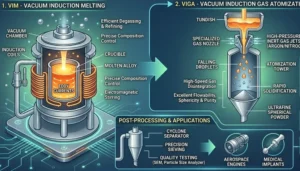
إذا كان التطبيق الخاص بك يتطلب الموصلية القصوى (على سبيل المثال, >100% IACS), النظر في استخدام مزيلات الأكسدة الأرضية النادرة (مثل اللانثانم أو السيريوم) بالاشتراك مع الفوسفور والنحاس, أو الانتقال إلى ذوبان تحريض الفراغ (همة) للقضاء على مشكلة الغاز في المصدر.