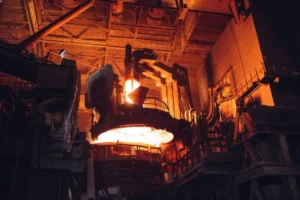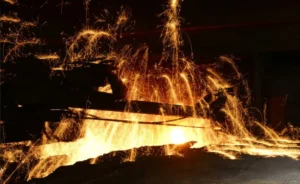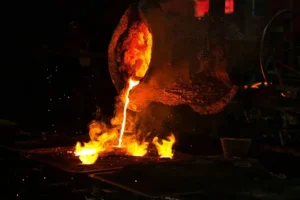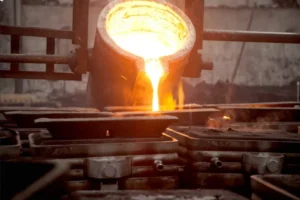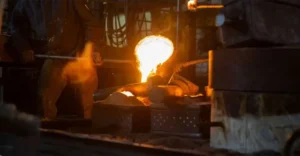
মোটরগাড়ি শিল্পে, ইঞ্জিন ব্লকের ঢালাই (সাধারণত HT250/GJL-2550 বা HT300/GJL-300 গ্রেড গ্রে ঢালাই লোহা) প্রতিনিধিত্ব করে একটি “উচ্চ নির্ভুলতা” সেক্টর. স্বয়ংক্রিয় ছাঁচনির্মাণ লাইনের উচ্চ-গতির চাহিদার মুখোমুখি (যেমন DISAMATIC বা HWS), দ্য মূল দ্বন্দ্ব দ্বারা সৃষ্ট ওঠানামা দূর করতে কিভাবে মিথ্যা “বিরতিহীন গলে যাওয়া” আনয়ন চুল্লি প্রকৃতি এবং গলিত লোহা একটি সরবরাহ প্রদান যে হিসাবে “অবিচ্ছিন্ন এবং স্থিতিশীল” ব্লাস্ট ফার্নেস বা কুপোলার মতো.
আমি. রচনা এবং তাপমাত্রার চরম সামঞ্জস্য নিয়ন্ত্রণ
ব্যাপক উৎপাদনে, গলিত লোহার প্রতিটি ব্যাচে মিনিটের পার্থক্য অসম কঠোরতা হতে পারে, মেশিনিং অসুবিধা, বা ঢালাই মধ্যে সঙ্কুচিত porosity. নিয়ন্ত্রণের চাবিকাঠি হল রূপান্তর “ভেরিয়েবল” মধ্যে “ধ্রুবক”
1. পরিশোধিত চার্জ ব্যবস্থাপনা (উৎস নিয়ন্ত্রণ)
আনয়ন চুল্লি নীতির উপর কাজ করে “আবর্জনা, আবর্জনা আউট” এবং কপোলাগুলির ধাতুবিদ্যার প্রতিক্রিয়া ক্ষমতার অভাব রয়েছে. অতএব, চার্জ ব্যবস্থাপনা স্থিতিশীলতার ভিত্তি.
- পরিচ্ছন্নতা নিয়ন্ত্রণ: স্বয়ংচালিত ঢালাই গ্যাস porosity সংবেদনশীল. তেল, আর্দ্রতা, এবং ইস্পাত স্ক্র্যাপের মরিচা অবশ্যই কঠোরভাবে নিয়ন্ত্রণ করতে হবে. বেলস জন্য, ঘনত্ব এবং অভ্যন্তরীণ অন্তর্ভুক্তি নিরীক্ষণ করা আবশ্যক.
- ব্যাচিং নির্ভুলতা: পিগ আয়রনের অনুপাতের ত্রুটি নিশ্চিত করতে স্বয়ংক্রিয় ব্যাচিং সিস্টেম ব্যবহার করা আবশ্যক, রিটার্নস, এবং ইস্পাত স্ক্র্যাপ মধ্যে নিয়ন্ত্রিত হয় ± 1%.
- ট্রেস উপাদান ট্র্যাকিং: ধূসর লোহা ট্রেস উপাদানের জন্য অত্যন্ত সংবেদনশীল (যেমন, এর, পবি, আল). গ্রাফাইট আকারবিদ্যার অবনতিকারী জমে থাকা প্রভাব এড়াতে ট্রেস উপাদানগুলির জন্য একটি সরবরাহকারী সংরক্ষণাগার স্থাপন করতে হবে.
2. “হিল গলে যাওয়া” এবং প্রক্রিয়া শৃঙ্খলা
একটানা ব্যাচ জুড়ে ধারাবাহিকতা বজায় রাখা, চুল্লি কখনই পুরোপুরি খালি করা উচিত নয়.
- হিল গলানোর অপারেশন: সবসময় বজায় রাখা 30%~50% তরল লোহা (গোড়ালি) চুল্লিতে.
- ফাংশন: পরবর্তী ব্যাচের জন্য গলে যাওয়ার সময় সংক্ষিপ্ত করে এবং, আরো গুরুত্বপূর্ণভাবে, একটি হিসাবে পুরানো গলিত লোহা ব্যবহার করে বাফার নতুন চার্জের গঠনগত ওঠানামাকে উল্লেখযোগ্যভাবে পাতলা করতে.
- সম্পূর্ণ শক্তি & দ্রুত উত্তাপ: যদি ধূসর লোহা উচ্চ-তাপমাত্রার অঞ্চলে খুব বেশি সময় থাকে, নিউক্লিয়েশন কোর (নিউক্লিয়াস) দ্রবীভূত/বিবর্ণ হবে, একটি বৃদ্ধি ঠান্ডা প্রবণতা নেতৃত্বে. কৌশল হল: উচ্চ ক্ষমতা সঙ্গে দ্রবীভূত করা, তাপমাত্রায় পৌঁছানোর সাথে সাথে আলতো চাপুন, এবং দীর্ঘ সময়ের জন্য লোহা ধরে রাখা কঠোরভাবে নিষিদ্ধ.
3. ক্লোজড-লুপ তাপমাত্রা নিয়ন্ত্রণ
- টার্গেট নির্ভুলতা: ঢালা তাপমাত্রা উইন্ডো সাধারণত অত্যন্ত সংকীর্ণ হয় (যেমন, 1420°C ± 10°C).
- তাপমাত্রা ক্ষতিপূরণ আলতো চাপুন: স্থানান্তর মই তাপমাত্রা ড্রপ বিবেচনা (সাধারণত 30-50° সে), ফার্নেস ট্যাপিং তাপমাত্রা স্থানান্তর দূরত্ব এবং ল্যাডেল অবস্থার উপর ভিত্তি করে একটি গতিশীল ক্ষতিপূরণ অ্যালগরিদমের মাধ্যমে সামঞ্জস্য করতে হবে (কোল্ড ল্যাডল বনাম. গরম মই).
Ii. স্বয়ংক্রিয় ছাঁচনির্মাণ লাইনের জন্য কনফিগারেশন স্কিম: ডুপ্লেক্সিং & মাল্টি-সিস্টেম
স্বয়ংক্রিয় ছাঁচনির্মাণ লাইন (যেমন উল্লম্ব বিভাজন লাইন) দ্বারা চিহ্নিত করা হয় ক্রমাগত এবং উচ্চ গতির লোহা খরচ (যেমন, 300-500 ছাঁচ/ঘন্টা). একটি একক ইন্ডাকশন ফার্নেস একই সাথে গলনের চাহিদা মেটাতে পারে না (ব্যাচ প্রক্রিয়া) এবং ঢালা (ক্রমাগত প্রক্রিয়া).
1. মূল ধারণা: Decoupling গলনা এবং হোল্ডিং
পৃথক করা “গলে যাওয়া” থেকে ফাংশন “সরবরাহ করছে” ফাংশন একটি অবিচ্ছিন্ন প্রবাহ অর্জনের চাবিকাঠি.
2. সাধারণ কনফিগারেশন স্কিম
ক. “ওয়ান-টু-টু” বা “মাল্টি-সাপ্লাই-এক” ডুপ্লেক্সিং
এটি সবচেয়ে মূলধারার উচ্চ-দক্ষতা কনফিগারেশন.
- মোড: একাধিক উচ্চ-শক্তি মেইন বা মাঝারি ফ্রিকোয়েন্সি গলিত চুল্লি + 1 বড় ক্ষমতা হোল্ডিং/পোরিং ফার্নেস.
- কর্মপ্রবাহ:
- গলিত চুল্লি সম্পূর্ণ গতিতে গলে যায় এবং কম্পোজিশন সামঞ্জস্য করে.
- লোহা একটি স্থানান্তর মই মধ্যে ট্যাপ করা হয়.
- বড় হোল্ডিং চুল্লিতে লোহা ঢেলে দেওয়া হয় (যেমন, ক 10-20 টন চ্যানেল ইন্ডাকশন ফার্নেস বা প্রেসারাইজড পোরিং ফার্নেস).
- সুবিধা:
- সমজাতীয়করণ: হোল্ডিং ফার্নেস একটি বৃহদায়তন হিসাবে কাজ করে “মেশানো পুল।” এমনকি যদি গলে যাওয়া ব্যাচগুলির মধ্যে সামান্য কার্বন/সিলিকন ওঠানামা থাকে, বড় পুকুরে প্রবেশ করার সময় তারা সমতল করা হয়, অত্যন্ত স্থিতিশীল লোহা outputting.
- বাফার: গলে চুল্লি রক্ষণাবেক্ষণ বা চার্জিং সময়, হোল্ডিং ফার্নেস ইনভেন্টরি ছাঁচনির্মাণ লাইনের জন্য উত্পাদন চালিয়ে যেতে দেয় 20-30 মিনিট.
খ. বাটারফ্লাই কনফিগারেশন
অতি-বড়-স্কেল উৎপাদনের জন্য উপযুক্ত.
- লেআউট: 2-3 একটি ঘূর্ণায়মান মধ্যবর্তী স্থানান্তর ডিভাইস বা স্বয়ংক্রিয় চার্জিং গাড়ির চারপাশে গলিত চুল্লি.
- পাওয়ার ডিস্ট্রিবিউশন: ব্যবহার করে “দ্বৈত-শক্তি” বা “ত্রি-শক্তি” সিস্টেম (যেমন, একটি পাওয়ার সাপ্লাই ইউনিট দুটি ফার্নেস সংস্থাকে খাওয়ায়). একটি পূর্ণ শক্তিতে গলে যায় যখন অন্যটি ধারণ করে বা সিন্টার করে, ন্যূনতম পাওয়ার গ্রিড ওঠানামা সহ বিরামহীন সুইচিং অর্জন করা.
3. স্বয়ংক্রিয় ঢালা একীকরণ
ইন্ডাকশন ফার্নেস ডুপ্লেক্সিং স্কিম শেষে, একটি স্বয়ংক্রিয় ঢালা মেশিন (যেমন, চাপ বা নীচে-ঢালা টাইপ) অপরিহার্য:
- স্ট্রীম ইনোকুলেশন: প্রতি ছাঁচে সামঞ্জস্যপূর্ণ ইনোকুল্যান্ট ডোজ নিশ্চিত করার জন্য অটো-পাউয়ার একটি সুনির্দিষ্ট স্ট্রিম ইনোকুলেশন ডিভাইস দিয়ে সজ্জিত। (ত্রুটি < 2%), যা ধূসর লোহার গ্রাফাইট আকারবিদ্যার জন্য গুরুত্বপূর্ণ.
- ভিজ্যুয়াল পজিশনিং: ঢালা কাপ তরল স্তরের উপর ভিত্তি করে স্বয়ংক্রিয়ভাবে প্রবাহ হার সামঞ্জস্য করতে লেজার ভিশন সিস্টেম ব্যবহার করে, ঢালা চক্রটি ছাঁচনির্মাণ লাইনের সাথে পুরোপুরি সিঙ্ক্রোনাইজ করা.
Iii. মূল প্রক্রিয়া নিয়ন্ত্রণ কৌশল
উপরে উল্লিখিত সিস্টেমগুলির স্থায়িত্ব নিশ্চিত করার জন্য, নিম্নলিখিত পর্যবেক্ষণ পদ্ধতি চালু করা আবশ্যক:
| কন্ট্রোল ফেজ | প্রযুক্তিগত পদ্ধতি | উদ্দেশ্য |
| চুল্লি-সাইড দ্রুত বিশ্লেষণ | তাপীয় বিশ্লেষণ | দ্রুত কার্বন সমতুল্য নির্ধারণ করুন (সি.ই), গ%, এবং%, এবং আন্ডারকুলিং. দৃঢ়তা বৈশিষ্ট্য প্রতিফলিত করার জন্য বর্ণালীবীক্ষণের চেয়ে বেশি স্বজ্ঞাত. |
| রচনা ছাঁটাই | স্পেকট্রোমিটার (OES) ডেটা নেটওয়ার্কিং | পরবর্তী চার্জের জন্য স্বয়ংক্রিয়ভাবে খাদ সংশোধনের পরিমাণ গণনা করতে OES ডেটা সরাসরি ব্যাচিং সিস্টেমে প্রেরণ করা হয়. |
| ইনোকুলেশন প্রভাব | ওয়েজ টেস্ট & দ্রুত মেটালোগ্রাফি | দ্রুত ইনোকুলেশন প্রভাব নিশ্চিত করুন (শীতল গভীরতা) লোহা স্থানান্তর পর্যায়ে বাল্ক স্ক্র্যাপিং প্রতিরোধ করার জন্য. |
| সরঞ্জাম পর্যবেক্ষণ | চুল্লি আস্তরণের মনিটরিং সিস্টেম | ইন্ডাকশন ফার্নেস লাইনিং ক্ষয়ের রিয়েল-টাইম মনিটরিং রান-আউট প্রতিরোধ এবং উত্পাদন নিরাপত্তা এবং ধারাবাহিকতা নিশ্চিত করতে. |
সংক্ষিপ্তসার
স্বয়ংচালিত ইঞ্জিন ব্লক ঢালাই জন্য, “স্থিতিশীলতা” শুধুমাত্র একটি প্রযুক্তিগত নির্দেশক নয়; এটা একটি অর্থনৈতিক এক.
এর একটি কনফিগারেশন ব্যবহার করে “মাল্টি-চুল্লি গলানো + বড় ক্ষমতা হোল্ডিং/হোমোজেনাইজেশন + স্বয়ংক্রিয় ঢালা,” কঠোর সঙ্গে মিলিত “হিল গলে যাওয়া” এবং “সুনির্দিষ্ট ইনোকুলেশন” প্রক্রিয়া, একক-ব্যাচ গলে যাওয়ার বিচ্ছিন্নতা দূর করা যেতে পারে. এটি স্বয়ংক্রিয় উত্পাদন লাইনের কঠোর প্রয়োজনীয়তাগুলিকে সন্তুষ্ট করে “জিরো ডিফেক্ট, ক্রমাগত প্রবাহ” গলিত লোহা.