আধুনিক ফাউন্ড্রি এবং ধাতুবিদ্যায়, আনয়ন চুল্লি তার উচ্চ দক্ষতার জন্য অনুকূল হয়, পরিচ্ছন্নতা, এবং সুনির্দিষ্ট তাপমাত্রা নিয়ন্ত্রণ. যাহোক, দ্য “হৃদয়” চুল্লির - আস্তরণ - সরাসরি উত্পাদনের সাফল্য বা ব্যর্থতা নির্ধারণ করে. সঠিক অবাধ্য উপাদান নির্বাচন করা এবং একটি দক্ষ ইনস্টলেশন প্রক্রিয়া প্রয়োগ করা একটি “শিল্প” যা বিজ্ঞান এবং অভিজ্ঞতাকে একত্রিত করে.
নির্বাচনের বিজ্ঞান: আপনার অবাধ্যতা জানুন
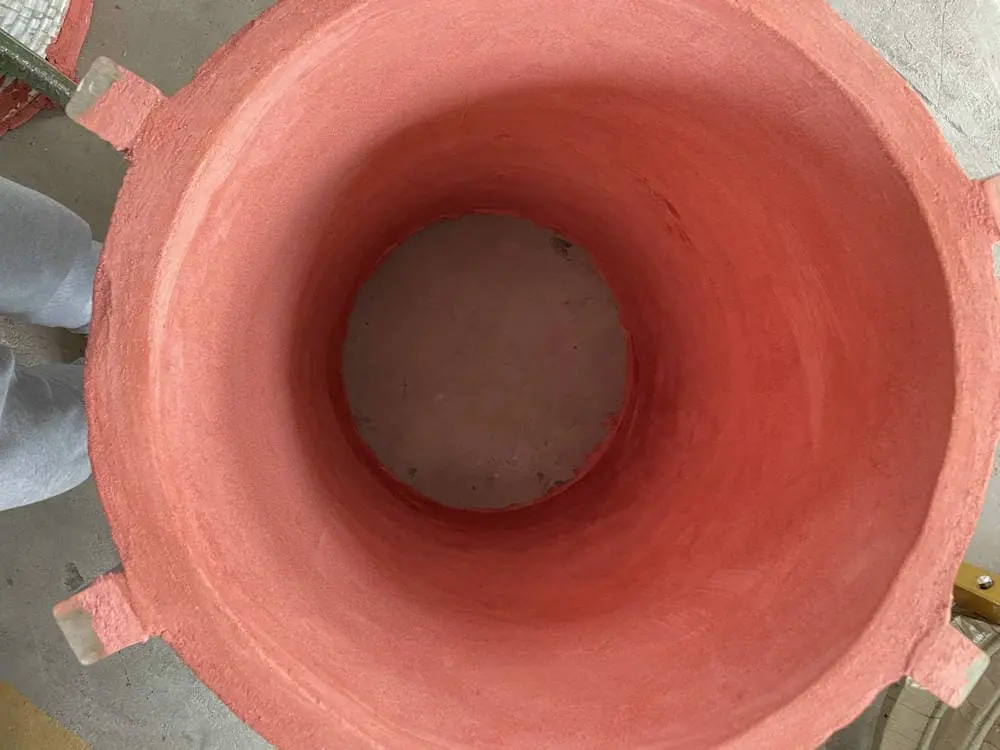
আনয়ন চুল্লি আস্তরণের, সাধারণত শুষ্ক ramming মিশ্রণ, তাদের রাসায়নিক গঠন এবং স্ল্যাগের প্রতিক্রিয়ার উপর ভিত্তি করে তিনটি প্রধান বিভাগে শ্রেণীবদ্ধ করা হয়: অম্লীয়, নিরপেক্ষ, এবং মৌলিক.
1. অ্যাসিডিক লাইনিং
- প্রধান উপাদান: উচ্চ বিশুদ্ধতা সিলিকা (SiO₂), usually > 98.5%.
- বৈশিষ্ট্য:
- পেশাদার: তুলনামূলকভাবে সস্তা, ভাল তাপ পরিবাহিতা, এবং অ্যাসিডিক ধাতুপট্টাবৃত শক্তিশালী প্রতিরোধের.
- কনস:দরিদ্র তাপ শক প্রতিরোধের (দ্রুত তাপমাত্রা পরিবর্তনের সময় ক্র্যাকিং প্রবণ) এবং মৌলিক স্ল্যাগ সহ্য করতে পারে না.
- প্রাথমিক আবেদন: গলে যাওয়া কাস্ট লোহা (ধূসর, নমনীয়) এবং কিছু কার্বন ইস্পাত. এই ধাতুগুলি থেকে উৎপন্ন স্ল্যাগ সাধারণত অ্যাসিডিক হয় (SiO₂-MnO-FeO).
2. নিরপেক্ষ লাইনিং
- প্রধান উপাদান: অ্যালুমিনা-ভিত্তিক (Al₂o₃), যেমন করন্ডাম, mullite, বা অ্যালুমিনা-ম্যাগনেসিয়া স্পিনেল.
- বৈশিষ্ট্য:
- পেশাদার:চমৎকার তাপ শক প্রতিরোধের, উচ্চ যান্ত্রিক শক্তি, এবং ভাল প্রতিরোধের উভয় অ্যাসিডিক এবং মৌলিক slags (যদিও উভয়ের বিরুদ্ধে শক্তিশালী নয়).
- কনস: অ্যাসিডিক আস্তরণের চেয়ে বেশি ব্যয়বহুল.
- প্রাথমিক আবেদন: সবচেয়ে বহুমুখী. গলানোর জন্য আদর্শ স্টেইনলেস স্টীল, উচ্চ খাদ ইস্পাত, তামার মিশ্রণ (পিতল, ব্রোঞ্জ), এবং ক্রিয়াকলাপগুলিতে যা ঘন ঘন সংকর ধাতু পরিবর্তন করে.
3. বেসিক লাইনিং
- প্রধান উপাদান: উচ্চ বিশুদ্ধতা ম্যাগনেসিয়া (এমজিও) বা ম্যাগনেসিয়া-অ্যালুমিনা স্পিনেল (MgO·Al₂O₃).
- বৈশিষ্ট্য:
- পেশাদার:ব্যতিক্রমী উচ্চ-তাপমাত্রা কর্মক্ষমতা এবং শক্তিশালী প্রতিরোধ মৌলিক slags (উচ্চ CaO, এমজিও).
- কনস: ব্যয়বহুল, উচ্চ তাপ পরিবাহিতা (আরো তাপ ক্ষতি হতে পারে), এবং হাইড্রোস্কোপিক (কঠোরভাবে শুষ্ক অবস্থায় সংরক্ষণ করা আবশ্যক).
- প্রাথমিক আবেদন: বিশেষভাবে গলানোর জন্য ব্যবহৃত হয় বিশেষ ইস্পাত এবং উচ্চ খাদ ইস্পাত যা পরিশোধন প্রক্রিয়ার সময় দৃঢ়ভাবে মৌলিক স্ল্যাগ তৈরি করে.
অবাধ্য তুলনা: এক নজরে
| চারিত্রিক | অ্যাসিডিক আস্তরণের (সিলিকা) | নিরপেক্ষ আস্তরণের (অ্যালুমিনা/মুলাইট) | বেসিক আস্তরণ (ম্যাগনেসিয়া) |
| প্রধান উপাদান | SiO₂ | Al₂o₃ / Al₂O₃-SiO₂ | এমজিও |
| স্ল্যাগ প্রতিরোধ | দুর্দান্ত (বনাম. অম্লীয়) | ভাল (বনাম. উভয়) | দুর্দান্ত (বনাম. মৌলিক) |
| থার্মাল শক | দরিদ্র | দুর্দান্ত | পরিমিত |
| সর্বোচ্চ. তাপমাত্রা | পরিমিত (~1700°C) | উচ্চ | খুব উচ্চ |
| প্রাথমিক ব্যবহার | ঢালাই লোহা, কার্বন ইস্পাত | মরিচা রোধক স্পাত, কপার অ্যালয় | বিশেষ ইস্পাত, উচ্চ-অ্যালো |
| খরচ | কম | মাঝারি | উচ্চ |
কী টেকঅ্যাওয়ে: আপনার পছন্দ আবশ্যক উপর ভিত্তি করে করা ধাতু ধরনের আপনি গলে যাচ্ছে এবং স্ল্যাগ প্রকৃতি এটি উত্পাদন করে. বেসিক স্ল্যাগ সহ ইস্পাত গলানোর জন্য একটি অম্লীয় আস্তরণ ব্যবহার করা (বা তদ্বিপরীত) দ্রুত আস্তরণের ক্ষয় এবং একটি মারাত্মকভাবে সংক্ষিপ্ত জীবন ফলাফল হবে.
ইনস্টলেশন শিল্প: প্রক্রিয়ার গুরুত্ব
সঠিক উপাদান নির্বাচন করা হয় শুধুমাত্র 50% কাজের. অপরটি 50% ইনস্টলেশন প্রক্রিয়ার উপর নির্ভর করে - যথা, “ramming” এবং “সিন্টারিং”
1. “ঘনত্ব”: Ramming প্রক্রিয়া
রামিং (বা ট্যাম্পিং) ফার্নেস শেল এবং ক্রুসিবল প্রাক্তনের মধ্যবর্তী স্থানের মধ্যে শুকনো অবাধ্য উপাদানগুলি পূরণ এবং সংকুচিত করার প্রক্রিয়া। (টেমপ্লেট).
কেন এটা এত গুরুত্বপূর্ণ?
- সর্বোচ্চ ঘনত্ব অর্জন করুন: র্যামিংয়ের একক লক্ষ্য হল অবাধ্য দানাগুলিকে যতটা সম্ভব শক্তভাবে প্যাক করা. ক উচ্চ এবং অভিন্ন ঘনত্ব ধাতু অনুপ্রবেশ এবং রাসায়নিক আক্রমণ প্রতিরোধের ভিত্তি.
- ল্যামিনেশন প্রতিরোধ করুন: উপাদান অগভীর মধ্যে rammed করা আবশ্যক, এমনকি স্তর (যেমন, 5-10 এক সময়ে সেমি). একবারে অত্যধিক উপাদান যোগ করার ফলে একটি সংকুচিত শীর্ষ কিন্তু একটি আলগা নীচে হবে, একটি সমালোচনামূলক দুর্বল পয়েন্ট তৈরি করা.
- দূর্বল দাগ দূর করুন: চুল্লির নীচে এবং পাশের দেয়ালের মধ্যে জয়েন্টটি সবচেয়ে ঝুঁকিপূর্ণ এলাকা. সঠিক সরঞ্জাম (সমতল এবং তীক্ষ্ণ-বিন্দুযুক্ত বায়ুসংক্রান্ত rammers মত) কোন কোণ আলগা বাকি আছে নিশ্চিত করতে ব্যবহার করা আবশ্যক.
ramming দরিদ্র হলে কি হবে?
- ধাতু অনুপ্রবেশ: একটি আলগা আস্তরণ গলিত ধাতুর চাপ সহ্য করতে পারে না, এটি করার অনুমতি দেয় “ড্রিল” অবাধ্য মধ্যে, অকাল ব্যর্থতার দিকে পরিচালিত করে.
- ব্রেকআউটের ঝুঁকি: একবার ধাতুটি আস্তরণের পিছনে প্রবেশ করে এবং আবেশন কুণ্ডলীর সাথে যোগাযোগ করে, এটি একটি অবিলম্বে শর্ট সার্কিট হতে পারে, উৎপাদন বন্ধ, এবং সম্ভাব্য বিস্ফোরণ.
2. “আগুন”: সিন্টারিং প্রক্রিয়া
ramming পরে, আস্তরণটি এখনও কেবল একটি ঘন পাউডার. সিন্টারিং হল নিয়ন্ত্রিত গরম করার প্রক্রিয়া যা ঘটায় “কাজের মুখ” (পাশ ধাতু স্পর্শ) রাসায়নিক এবং শারীরিক পরিবর্তনের মধ্য দিয়ে যেতে, একটি কঠিন গঠন, কঠিন সিরামিক শেল.
কেন এটা এত গুরুত্বপূর্ণ?
sintering লক্ষ্য একটি তৈরি করা হয় আদর্শ তিন-স্তর কাঠামো আস্তরণের মধ্যে:
- সিন্টারড লেয়ার:
- অবস্থান: সবচেয়ে ভিতরের স্তর, গলিত ধাতু সঙ্গে সরাসরি যোগাযোগ.
- রাজ্য: সম্পূর্ণ সিরামিফায়েড, একটি কঠিন গঠন, শক্তিশালী শেল.
- উদ্দেশ্য: ক্ষয় প্রতিরোধ করে, scouring, এবং গলিত ধাতু দ্বারা অনুপ্রবেশ.
- ট্রানজিশন লেয়ার (আধা-সিন্টারযুক্ত স্তর):
- অবস্থান: sintered এবং আলগা স্তর মধ্যে.
- রাজ্য: আংশিকভাবে sintered, কিছু শক্তি বজায় রাখা কিন্তু কিছু নমনীয়তা.
- উদ্দেশ্য: যান্ত্রিক এবং তাপীয় চাপের জন্য বাফার হিসাবে কাজ করে, প্রসারণ বা সংকোচনের কারণে sintered স্তর ফাটল থেকে প্রতিরোধ.
- আলগা স্তর (ব্যাকআপ লেয়ার):
- অবস্থান: সবচেয়ে বাইরের স্তর, ইন্ডাকশন কয়েলের কাছাকাছি.
- রাজ্য: এর মূল পাউডারের মতোই থাকে (বা হালকা নিরাময়) রাষ্ট্র.
- উদ্দেশ্য: এটি একটি ইচ্ছাকৃত নিরাপত্তা স্তর. এর কম তাপ পরিবাহিতা কয়েলটিকে রক্ষা করে, এবং এর আলগা প্রকৃতি পুরো আস্তরণের তাপীয় প্রসারণের জন্য একটি কুশন প্রদান করে.
সিন্টারিং অনুপযুক্ত হলে কি হবে?
- খুব দ্রুত / গরম Sintering: অত্যধিক তাপীয় চাপ থেকে আস্তরণটি ফাটতে পারে. বা, sintered স্তর খুব পুরু হয়, পরিবর্তন এবং আলগা স্তর খুব পাতলা রেখে, আস্তরণ তৈরি করা “ভঙ্গুর” এবং তাপীয় শক প্রবণ.
- সিন্টারিং খুব কম/খাটো: সিন্টারযুক্ত স্তরটি খুব পাতলা বা একেবারেই তৈরি হতে ব্যর্থ হয়. আস্তরণ রয়ে গেছে “নরম” এবং গলিত ধাতুর বিরুদ্ধে কোন প্রতিরক্ষা নেই, প্রথম গলে যাওয়ার পরে দ্রুত ব্যর্থতার দিকে পরিচালিত করে.
উপসংহার
আনয়ন চুল্লি আস্তরণের শিল্প নিখুঁত বিবাহের মধ্যে মিথ্যা বৈজ্ঞানিক নির্বাচন এবং সুশৃঙ্খল ইনস্টলেশন.
- নির্বাচন হয় “কৌশল”: আপনাকে অবশ্যই সঠিক অ্যাসিডিক নির্বাচন করতে হবে, নিরপেক্ষ, বা আপনার গলিত উপর ভিত্তি করে মৌলিক উপাদান (লোহা, ইস্পাত, তামা) এবং এর স্ল্যাগ.
- প্রক্রিয়া হয় “কৌশল”:
- রামিং অনুসরণ করে “ঘনত্ব” একটি শারীরিক বাধা তৈরি করতে.
- সিন্টারিং অনুসরণ করে “সঠিক তাপ” একটি শক্তিশালী অথচ নমনীয় তিন-স্তর কাঠামো তৈরি করতে.
এই প্রক্রিয়ার যেকোনো অংশকে অবহেলা করলে একটি ছোট আস্তরণের জীবন হতে পারে, দরিদ্র ধাতু গুণমান, এবং গুরুতর নিরাপত্তা বিপত্তি.