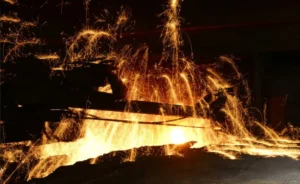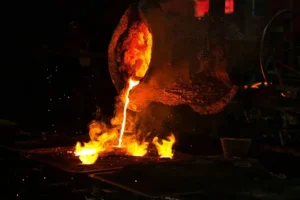
Dalam produksi pengecoran, meskipun Koagulan Terak (atau Penghilang Terak) merupakan persentase kecil dari biaya material, dampaknya terhadap kualitas pengecoran dan tingkat sisa sangat menentukan. Banyak pabrik yang ragu untuk menggunakannya “Perlit Alami” Dan “Agen Komposit Efisiensi Tinggi”: Haruskah Anda menghemat uang dengan Perlite, atau berinvestasi dalam versi Komposit?
Di bawah ini adalah rinciannya “head-to-head” tinjauan kinerja.
Bulat 1: Pertarungan Kinerja Inti (Ekspansi, Isolasi, Mengikat)
Kami membandingkan kedua pesaing dalam tiga dimensi penting:
| Dimensi Tinjauan | Pesaing A: Perlit Alami | Pesaing B: Koagulan Terak Komposit | Pemenang |
| 1. Ekspansi | Ekstrim (4-20X). Mengembang dengan cepat seperti popcorn saat dipanaskan, menciptakan volume besar untuk menutupi permukaan besi cair. Namun, karena bobotnya yang ringan, itu menghasilkan debu dan mudah tersedot oleh sistem ventilasi. | Sedang & Terkendali. Formula disesuaikan untuk menjaga ekspansi dalam kisaran optimal. Ini mencakup dengan baik sambil mempertahankan kepadatan, mengurangi debu di udara dan meningkatkan pemanfaatan material. | Menggambar (Perlit lebih besar, Komposit lebih stabil) |
| 2. Isolasi | Bagus sekali. Memanfaatkan struktur sarang lebah yang diperluas (memerangkap udara) untuk memblokir radiasi termal. | Unggul. Jenis komposit seringkali mengandung fluks atau pengikat yang membentuk suatu padat “cangkang setengah cair” di atas permukaan, menyegel besi cair seperti selimut tebal untuk mencegah kehilangan panas melalui celah. | Agen Komposit 🏆 |
| 3. Mengikat | Miskin. Mengandalkan terutama pada adsorpsi fisik. Lapisan terak tetap longgar dan berbutir. Saat membaca sekilas, terak sering “berantakan,” memungkinkan partikel terak kecil lolos melalui penggaruk kembali ke dalam setrika. | Kuat. Mengalami peleburan mikro saat dipanaskan, mengikat terak yang tersebar menjadi satu kesatuan “kulit” atau “kue.” Itu bisa diangkat dalam keadaan utuh, memastikan pembersihan yang sangat menyeluruh. | Agen Komposit 🏆 |
Catatan: Struktur mikroskopis dari Perlite setelah ekspansi penuh pori-pori. Inilah rahasia isolasinya, tetapi juga alasan rendahnya kekuatan dan kerapuhannya.
Bulat 1 Ringkasan
- Perlit: Menang terus Harga Awal. Jika coran Anda memiliki persyaratan rendah untuk penyertaan terak, atau jika digunakan semata-mata untuk penutup/isolasi sendok sederhana, ini adalah pilihan yang ramah anggaran.
- Agen Komposit: Menang terus Efisiensi dan Kebersihan. Meskipun harga satuannya lebih tinggi, kemampuannya untuk “film dan kue” mengurangi waktu skimming dan kehilangan logam. Saat memperhitungkan pengurangan tingkat scrap, -nya sebenarnya ROI (Pengembalian Investasi) seringkali lebih tinggi dari Perlite.
Bulat 2: Menyelam Lebih Dalam—The “Pembunuh Tak Terlihat” Perilaku Agen Inferior
Mengapa beberapa koagulan terak menghasilkan terak? lebih sulit untuk menghapus, atau menyebabkan tingkat barang bekas melonjak? Hal ini biasanya disebabkan oleh penggunaan produk berkualitas rendah atau formulasi yang tidak tepat.
1. Mengapa terak menjadi “sulit dihilangkan setelah pendinginan”?
Ini biasanya merupakan kegagalan dalam mengendalikan Titik lebur Dan Viskositas dari agen.
- Pembakaran berlebihan & Menempel di Dinding: Jika titik leleh zat inferior terlalu rendah, itu berubah menjadi cair (daripada bahan semi padat yang kental) setelah kontak dengan setrika suhu tinggi. Terak cair ini berfungsi seperti lem, menempel pada dinding tungku atau sendok. Setelah pendinginan, itu mengeras seperti semen pada lapisan tahan api, menjadi hampir mustahil untuk dibersihkan dan berpotensi merusak lapisan.
- Kegagalan Agregat: Sebaliknya, jika titik lelehnya terlalu tinggi atau komponen pengikatnya kurang, agen bertindak seperti pasir lepas. Selama membaca sekilas, lapisan terak tidak memiliki kohesi. Satu tarikan penggaruk akan menyebarkan terak, menyebabkan skimming yang tidak bersih dan sisa denda memasuki cetakan.
Catatan: Agen komposit berkualitas tinggi harus membentuk a “Kerak” atau “Kue” mengapung lapisan seperti yang ditunjukkan di atas, memiliki integritas yang baik untuk skimming satu langkah.
2. Mengapa hal itu menyebabkan “Entrainment Terak” (Inklusi dalam Besi)?
Ini adalah skenario yang paling berbahaya, di mana agen inferior menjadi kaki tangan cacat terak:
- ReaktifPorositas: Beberapa produk berkualitas rendah mengandung kelembapan atau kotoran yang berlebihan (MISALNYA., kalsium karbonat yang terurai menghasilkan gas). Saat digulung menjadi besi cair, bukannya menyerap kotoran, mereka bereaksi keras, menghasilkan gelembung yang mengaduk logam dan menarik terak yang mengambang kembali ke dalam lelehan.
- “Palsu” Pembekuan: Agen inferior mungkin terlihat seperti menutupi permukaan, tetapi mereka tidak memiliki kemampuan adsorpsi yang sebenarnya (sudut pembasahan yang tidak tepat). Tidak ada inklusi oksida kecil “meraih” oleh agen tetapi tetap tersuspensi di lapisan bawah permukaan. Saat Anda menuangkan—mengira teraknya telah hilang—pembunuh tak kasat mata ini mengalir ke dalam pengecoran.
Catatan: Cacat inklusi terak yang khas. Di bawah mikroskop, inklusi ini sering ditemukan terbungkus dalam oksida yang tidak dihilangkan secara efektif.
Putusan Akhir & Rekomendasi
Siapa Raja Kinerja Biaya?
- Untuk Besi Abu-Abu Biasa (Penutup lubang got, beban penyeimbang):Perlit adalah Raja. Biayanya rendah, dan kinerjanya cukup.
- Untuk Besi Ulet, Suku Cadang Mobil, & Presisi casting:Koagulan Terak Komposit adalah Raja Nilai mutlak. Hal ini secara signifikan mengurangi tingkat scrap (terak adalah musuh besi ulet) dan kehilangan logam. Perbedaan harga yang kecil pada agen dapat diabaikan dibandingkan dengan biaya satu pengecoran bekas.