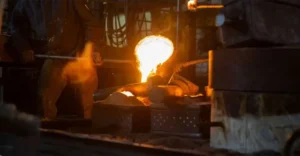
Fokus Konten: Menjelajahi cara membangun a sistem kendali mutu loop tertutup. Setelah spektrometer menganalisis komposisi, data secara otomatis dikirim ke sistem batching. Berdasarkan penyimpangan antara spesifikasi target dan komposisi tungku saat ini, sistem secara otomatis menghitung dan mengeluarkan instruksi untuk penambahan paduan paduan berikutnya.
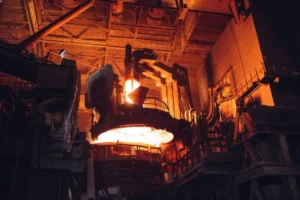
Dalam pengecoran presisi modern dan industri metalurgi, efisiensi dan kualitas bengkel peleburan sering kali bergantung pada kemampuan sinergis dari tiga peralatan inti: itu Tungku Induksi (Kapal yang Mencair), itu Spektrometer Emisi Optik sisi tungku (Mata Kualitas), dan itu Sistem Batching Otomatis (Otak Kontrol).
Dalam alur kerja peleburan tradisional, ketiga entitas ini sering kali berada sebagai pulau-pulau terpencil: pengambilan sampel manual, pembacaan manual, dan penghitungan aditif secara manual. Hal ini tidak hanya tidak efisien tetapi juga sangat rentan terhadap kesalahan manusia “komposisi melampaui batas” atau ketidakpatuhan.
Bagaimana mendobrak hambatan-hambatan ini dan membangun sistem berbasis data, sistem kendali mutu loop tertutup?
1. Logika Inti, Alur Kerja Loop Tertutup
Untuk mewujudkan integrasi “Segitiga Besi,” intinya terletak pada aliran data otomatis Dan pengambilan keputusan yang cerdas. Seluruh proses loop tertutup adalah sebagai berikut:
Melangkah 1: Analisis Sisi Tungku Cepat (Sensornya)
- Ketika logam cair dalam tungku induksi mencapai suhu yang telah ditentukan, operator mengambil kupon sampel (tombol) dan mengirimkannya ke Spektrometer Emisi Optik (OES).
- OES menyelesaikan analisis multi-elemen (C, Dan, M N, P, S, Cr, Di dalam, dll.) dalam hitungan detik.
Melangkah 2: Transmisi Data yang Mulus (Itu Tautan Data)
- Poin Penting: Hilangkan transkripsi manual atau pelaporan radio.
- Melalui Ethernet industri (TCP/IP) atau komunikasi serial (RS232/485) antarmuka, OES langsung mendorong hasil analisis (dalam format XML/CSV/JSON) ke Unit Kontrol Pusat Sistem Batching.
Melangkah 3: Cerdas Deviasi Perhitungan (Otak)
- Setelah menerima data komposisi waktu nyata, sistem batching segera membandingkannya dengan arus berat besi cair di dalam tungku dan itu telah ditentukan sebelumnya kelas sasaran.
- Logika Algoritma:
- Penambahan yang Diperlukan =(Target % – Saat ini %) * Berat Lelehan Total / Tingkat Pemulihan Paduan %
- Sistem secara otomatis mengoreksi kehilangan luka bakar (tingkat pemulihan) dan menghitung daftar aditif optimal berdasarkan kualitas paduan yang tersedia saat ini.
Melangkah 4: Eksekusi Otomatis & Masukan (Aksi)
- Instruksi diberikan pada mekanisme pemberian makan otomatis (pengumpan getaran atau konveyor sabuk).
- Sistem ini secara tepat menimbang ferrosilikon yang dibutuhkan, ferromangan, rekarburator, dll., dan secara otomatis memasukkannya ke dalam tungku induksi.
- Lingkaran Tertutup: Pengambilan sampel dilakukan kembali untuk konfirmasi. Sistem ditampilkan “Izin untuk Menyadap” hanya ketika komposisi mencapai jendela target dengan sempurna.
2. Arsitektur Sistem Mendalam
Untuk mencapai loop tertutup yang dijelaskan di atas, peran masing-masing komponen mengalami perubahan mendasar:
A. Spektrometer sisi tungku: Dari “Perekam” ke “Pemicu”
Dalam sistem yang terintegrasi, spektrometer bukan hanya alat pengujian; itu adalah titik pemicu untuk alur kerja.
- Peningkatan Fungsi: Harus memiliki antarmuka data terbuka (seperti protokol OPC UA) untuk mendukung pemicuan jarak jauh.
- Alarm Pengecualian: Jika ada unsur berbahaya (MISALNYA., P, S) terdeteksi pada tingkat yang tidak dapat dikoreksi melalui aditif, sistem segera mengunci proses batching untuk mencegah operasi yang salah.
B. Sistem Batching Otomatis: Dari “Kalkulator” ke “Pusat Keputusan”
Ini adalah otaknya “Segitiga Besi.” Ini tidak hanya menghitung “berapa banyak yang hilang” tapi juga “cara paling hemat biaya untuk menambahkannya.”
- LCC (Biaya Biaya Paling Rendah) Optimasi: Jika beberapa paduan dapat memenuhi penyesuaian (MISALNYA., menggunakan nikel murni vs. pelat nikel), sistem secara otomatis memilih formulasi berbiaya terendah berdasarkan harga pasar bahan baku saat ini.
- Penyesuaian Dinamis: Sistem memelihara a database kehilangan luka bakar untuk suhu dan bahan yang berbeda, yang belajar sendiri dan mengoreksi dirinya sendiri seiring berjalannya produksi.
C. Tungku Induksi: Dari “Kotak Hitam” ke “Wadah Transparan”
Dengan mengintegrasikan Memuat Sel, tungku induksi mentransmisikan berat logam cair ke sistem batching secara real-time.
- Pentingnya: Tanpa data berat badan yang akurat, perhitungan penyesuaian komposisi sia-sia. Penimbangan waktu nyata memastikan keakuratan jumlah bahan tambahan.
3. Nilai Inti Integrasi
A. Menghilangkan “Komposisi Melampaui“
Perhitungan manual sering kali menyebabkan penambahan paduan mahal yang berlebihan (seperti Molibdenum, Nikel, Tembaga) karena kehati-hatian yang berlebihan atau kurangnya pengalaman. Sistem loop tertutup otomatis dapat mengontrol komposisi dalam rentang yang sangat sempit di atas batas bawah, menghemat biaya paduan yang signifikan setiap tahunnya
B. Memperpendek Waktu Tap-to-Tap
Transmisi dan perhitungan data selesai dalam milidetik. Hal ini menghilangkan waktu yang dihabiskan untuk gerakan manual, perhitungan, dan verifikasi. Penghematan 3-5 menit per pemanasan berarti tambahan batch besi cair per hari untuk produksi pengecoran berkelanjutan.
C. Ketertelusuran Penuh
Setiap titik data pengambilan sampel, setiap tindakan aditif, dan komposisi penyadapan akhir secara otomatis diberi stempel waktu dan disimpan dalam database. Hal ini penting bagi klien di sektor otomotif dan dirgantara dengan persyaratan ketertelusuran kualitas yang ketat.
4. Saran Implementasi & Tantangan
Saat membangun ini “Segitiga Besi,” perhatian harus diberikan pada rincian teknis berikut:
- Standardisasi Protokol: Pastikan vendor OES dan vendor Sistem Batching mendukung protokol komunikasi yang sama (OPC UA atau Modbus TCP direkomendasikan).
- Lingkungan Gangguan: Lingkungan tungku memiliki interferensi elektromagnetik yang parah. Kabel transmisi data harus memanfaatkan serat optik atau pasangan bengkok dengan pelindung tinggi.
- Akurasi Data: Akurasi sistem bergantung pada pengaturan awal “Tingkat Pemulihan Paduan.” Pada tahap awal penerapan sistem, operator harus terus memverifikasi dan mengkalibrasi parameter ini.
Ringkasan
Integrasi Tungku Induksi, Spektrometer, dan Sistem Batching pada dasarnya mendigitalkan prinsip-prinsip metalurgi. Hal ini tidak lagi bergantung pada pengalaman pribadi operator tungku tetapi pada aliran data dan algoritma. Ini bukan hanya merupakan putaran tertutup untuk kontrol kualitas tetapi juga langkah pertama bagi pengecoran logam menuju Pabrik Digital (Pengecoran 4.0).