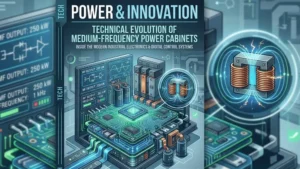
Melihat kembali ke abad yang lalu, Evolusi teknologi pemanas induksi pada dasarnya adalah sejarah keras upaya umat manusia untuk mencapai efisiensi konversi energi yang lebih tinggi, kontrol medan termal yang lebih tepat, dan keandalan industri tertinggi. Setiap peningkatan generasi pada elektronika daya dasar telah mengubah batas produksi industri metalurgi dan pengecoran logam.
Di bawah ini adalah empat tonggak penting teknologi dalam sejarah ini, dan bagaimana mereka secara individu mengatasi permasalahan industri di era mereka masing-masing.
SAYA. Kejadian: Tahun 1920-an dan Osilator Spark Gap
Titik Sakit Era Ini: Cara keluar dari laboratorium dan menghasilkan arus bolak-balik frekuensi tinggi yang cukup untuk melelehkan logam?
Pada awal abad ke-20, teori peleburan induksi tanpa biji telah terbentuk, namun kendala terbesarnya adalah kurangnya generator yang mampu menghasilkan arus berfrekuensi tinggi. Jaringan listrik pada saat itu hanya dapat menyediakan frekuensi utilitas 50/60Hz, yang, bila digunakan langsung untuk pemanasan induksi, menghasilkan efisiensi yang sangat rendah dan gagal mencapai pemanasan menyeluruh.
Terobosan Teknologi:
Pionir seperti Edwin Northrup memanfaatkan kapasitor dan osilator celah percikan untuk berhasil mengubah listrik frekuensi utilitas menjadi arus osilasi frekuensi tinggi. Celah percikan beralih pada frekuensi tinggi antara kerusakan dan pemulihan, bertindak seperti orang yang sangat kasar “saklar mekanis” untuk menghasilkan pasokan listrik frekuensi tinggi pertama di dunia untuk peleburan induksi.
Keterbatasan Zaman:
- Kehilangan Energi yang Sangat Tinggi: Sejumlah besar energi listrik diubah menjadi energi cahaya dan akustik (suara busurnya memekakkan telinga).
- Bencana besar Pemeliharaan: Elektroda dengan cepat terkikis di bawah busur listrik tegangan tinggi yang terus menerus, membutuhkan penghentian yang sering untuk penggantian. Hal ini sama sekali tidak memadai untuk produksi industri yang berkelanjutan dalam pengertian modern.
Ii. Era Raksasa Mekanik: Tahun 1930an hingga 1960an dengan Motor-Generator Set
Titik Sakit Era Ini: Produksi industri massal menuntut tonase yang lebih besar dan keluaran listrik yang lebih stabil; kekuatan celah percikan yang lemah dan tidak stabil telah mencapai batas absolutnya.
Terobosan Teknologi:
Para insinyur beralih ke keahlian mereka: teknik Mesin. Mereka menggunakan motor AC frekuensi utilitas, terhubung melalui poros penggerak yang kuat, untuk memutar generator frekuensi tinggi atau frekuensi menengah yang dirancang khusus. Ini konversi frekuensi mekanis murni (Set Generator Motor) mendorong kapasitas tungku induksi dari hanya satu kilogram di laboratorium menjadi skala industri multi-ton dalam satu kali kejadian.
Permintaan Industri Terpecahkan:
Ini memberikan kemampuan peleburan batch yang andal untuk gudang senjata besar dan pabrik mesin berat untuk pertama kalinya, berperan sebagai pendorong penting di balik layar bagi Perang Dunia II dan pemulihan industri berat pascaperang.
Keterbatasan Zaman:
- Keausan Fisik dan Inefisiensi: Bantalan besar dan sikat karbon menyebabkan kerugian gesekan mekanis yang parah, sehingga sulit untuk melampaui efisiensi sistem secara keseluruhan 70%.
- Frekuensi Kaku: Frekuensinya dikunci oleh kecepatan putaran dan jumlah kutub magnet. Ia tidak dapat melacak frekuensi secara dinamis berdasarkan perubahan impedansi muatan selama tungku dingin, setengah cair, dan keadaan cair penuh, mengakibatkan siklus pencairan yang berkepanjangan.
AKU AKU AKU. Revolusi Solid-State: Tahun 1970an hingga 1990an dengan Silicon Controlled Rectifier (SCR / Thyristor)
Titik Sakit Era Ini: Bagaimana keausan mekanis bisa dihilangkan sepenuhnya? Bagaimana pelacakan frekuensi otomatis dapat dicapai untuk mempersingkat waktu leleh?
Ketika teknologi semikonduktor meluas dari telekomunikasi ke teknik kelistrikan arus deras, lahirnya elektronika berdaya tinggi dipicu a “Ledakan Kambrium” dalam pemanasan induksi.
Terobosan Teknologi:
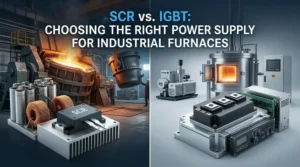
Pengenalan Penyearah Terkendali Silikon (SCR) mengizinkan catu daya frekuensi menengah untuk mengucapkan selamat tinggal terakhir pada komponen yang berputar. Dengan mengubah AC ke DC melalui jembatan penyearah, dan kemudian memanfaatkan jembatan inverter untuk konduksi bolak-balik frekuensi tinggi, konversi frekuensi elektronik murni tercapai.
Permintaan Industri Terpecahkan:
- Pencocokan Impedansi Dinamis: Catu daya SCR dapat memantau induktansi dan kapasitansi sistem koil secara real-time untuk mencapai otomatis “pelacakan frekuensi.” Apakah logam tersebut melewati titik Curie atau bertransisi dari padat ke cair, catu daya secara konsisten menghasilkan daya maksimum.
- Lompatan Efisiensi dan Pengoperasian Bebas Perawatan: Tanpa gesekan mekanis, efisiensi konversi energi melonjak 90%, sekaligus secara drastis mengurangi intensitas perawatan harian di lantai pabrik.
Keterbatasan Zaman:
- Peralihan Kemacetan Kecepatan: Mematikan SCR bergantung pada tegangan balik untuk pergantian paksa. Ini membatasi frekuensi operasi maksimumnya, dan kegagalan inverter dapat dengan mudah menyebabkan a “tembak-menembak” dan kerusakan peralatan yang parah.
- jaringan Polusi dan Faktor Daya Rendah: Rektifikasi terkontrol fase SCR tradisional menghasilkan harmonik yang parah selama operasi step-down holding (atau beban parsial) dan menyebabkan penurunan tajam pada faktor daya, menyebabkan penalti daya reaktif dan pemborosan energi.
Iv. Denyut Nadi Industri Modern: Tahun 2000-an Hadir dengan IGBT Serba Digital
Titik Sakit Era Ini: Paduan mikro dan pengecoran kelas atas menuntut konsistensi yang sangat tinggi; bengkel modern sangat membutuhkan Efektivitas Peralatan Keseluruhan yang lebih tinggi (OEE) dan pemanfaatan waktu penggunaan secara maksimal (puncak/lembah) penetapan harga listrik.
Terobosan Teknologi:
Itu Transistor Bipolar Gerbang Terisolasi (IGBT) menggabungkan impedansi input tinggi dari MOSFET dengan tegangan saturasi rendah dari transistor bipolar. Menampilkan kemampuan pergantian mandiri, frekuensi peralihannya meningkat beberapa kali lipat. Dikombinasikan dengan berbasis DSP/FPGA sistem kontrol serba digital, pemanasan induksi memasuki era cerdas, kontrol tingkat mikrodetik.
Permintaan Industri Terpecahkan:
- Faktor Daya Tinggi Konstan: Catu daya resonansi seri IGBT modern (atau topologi menggunakan modul penyearah dioda/IGBT) dapat secara konsisten mempertahankan faktor daya di atas 0.95 di bawah keluaran daya apa pun. Hal ini tidak hanya mengurangi beban trafo secara signifikan namun juga memungkinkan pabrik untuk memaksimalkan manfaat ekonomi ketika memanfaatkannya “tingkat waktu penggunaan” untuk shift malam dengan beban penuh atau jadwal penahanan siang hari.
- Stabilitas Dalam Kondisi Ekstrim: Berkat tingkat pengambilan sampel mikroprosesor digital yang sangat tinggi, sistem dapat langsung mengidentifikasi dan merespons prekursor penipisan tahan api atau kerusakan isolasi yang akan terjadi (seperti fluktuasi arus bocor yang sangat kecil), mencapai perlindungan anti-kerusakan yang proaktif.
- Kontrol Suhu Tepat Tingkat Metalurgi: Saat memproses elemen jejak seperti Bismut dan Antimon, atau dalam aplikasi metalurgi serbuk khusus, cawan lebur atau tundish yang dituangkan ke bawah memerlukan medan termal yang sangat stabil. Kemampuan IGBT untuk memotong riak yang sangat rendah dan frekuensi tinggi memastikan lingkungan termodinamika ideal yang diperlukan untuk kinetika deoksidasi.
Dari percikan api yang memekakkan telinga seabad yang lalu hingga matriks IGBT digital yang beroperasi secara senyap dan mampu melakukan pemeliharaan prediktif hanya berdasarkan karakteristik kurva daya, jantung tungku induksi telah menyelesaikan metamorfosis dari “kekerasan mekanis” ke “presisi digital.” Setiap kali teknologi mengatasi rintangan, ini meletakkan dasar paling kokoh untuk efisiensi tertinggi dan kemurnian tertinggi yang dicapai oleh industri metalurgi modern.