Для плавки цветных и драгоценных металлов, таких как медь., Алюминий, Золото, и серебро, тот Графит тигель часто является предпочтительным судном. В среде индукционного нагрева, это не просто “контейнер” но важнейшее звено в преобразовании тепловой энергии.
1. Анализ физических свойств ядра: Почему стоит выбрать графит?
В индукционных печах, Эффективность графитовых тиглей объясняется двумя основными характеристиками:: Электрическая проводимость и Теплопроводность.
Электропроводность — “Это нагревательный элемент”
При индукционной плавке, это важнейшая концепция.
- Индуктивный Сцепление: Графит – хороший проводник. Когда на индукционную катушку подается напряжение для создания магнитного поля, линии магнитного поля прорезают стенку тигля, создание мощных вихревые токи внутри самой стены.
- Эффект самонагревания: Даже если металл внутри (например отходы или порошок) является прерывистым или имеет плохую проводимость, сам графитовый тигель будет быстро нагреваться из-за джоулева нагрева, вызванного сопротивлением.
- Преимущество: Это означает, что тигель фактически становится “нагревательный корпус,” передача тепла внутреннему металлу посредством проводимости. Это жизненно важно на начальном этапе плавления. (особенно при добавлении холодных или тонких материалов).
Теплопроводность — “Эффективная передача тепла”
- Быстрый равномерный нагрев: Высококачественные графитовые тигли (часто с добавлением карбида кремния/SiC) обладают чрезвычайно высокой теплопроводностью. Они быстро передают генерируемое индукцией тепло металлу внутри., значительное сокращение времени плавления и снижение энергопотребления.
- Равномерность температуры: Хорошая теплопроводность помогает уменьшить температурные градиенты на стенках тигля., тем самым снижая термическое напряжение, вызванное локальным перегревом.
2. Рекомендации по плавке конкретных металлов
- Медь (Кузок) & Алюминий (Ал): Объем плавления обычно большой.. Для алюминия, внимание необходимо обратить на дегазация и удаление окалины. Химическая инертность графита предотвращает загрязнение расплавленного алюминия контейнером. (в отличие от железных тиглей, которые увеличивают содержание железа в алюминии).
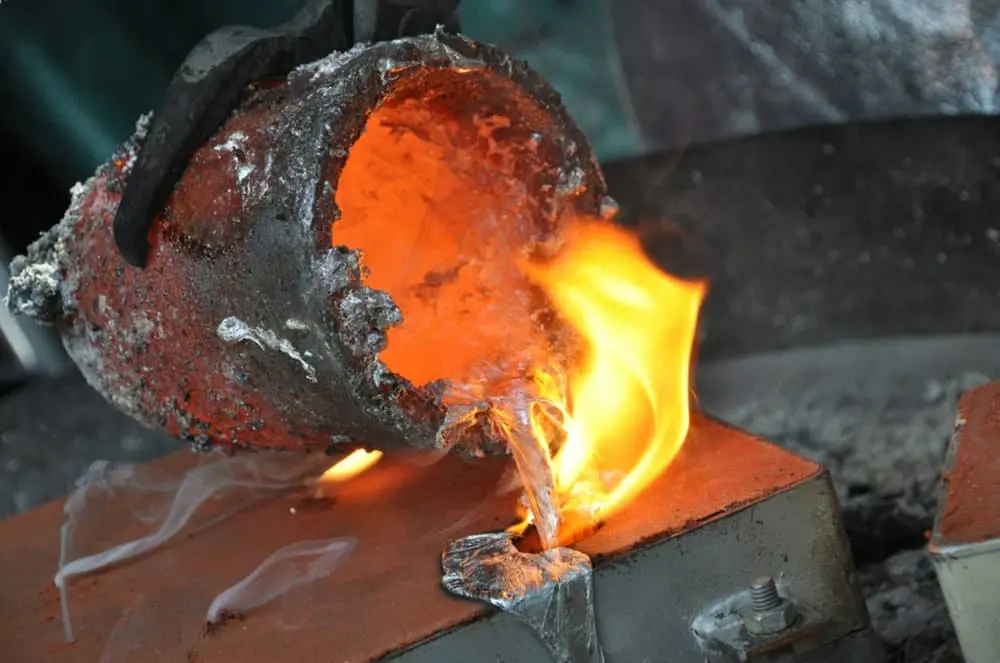
- Золото (Ау) & Серебро (Аг): В приоритете плавка драгоценных металлов чистота и нулевые потери. Графитовые тигли имеют гладкую поверхность с низкой смачиваемостью. (металл к нему не прилипает), что приводит к минимальному остатку после заливки, что делает их идеальными для обработки дорогостоящих металлов.
3. Три главных врага технического обслуживания: Окисление, Влага, Термический шок
Хотя графитовые тигли термостойки., они хрупкие, как керамика, легковоспламеняющийся, как углерод, при высоких температурах, и впитывает как губка. Вот инструкция по защите:
А. Предотвратите поглощение влаги — избегайте “Взрывы”
Структура графита микропористая и легко впитывает влагу из воздуха.. Если тигель, содержащий влагу, быстро нагревается, вода превращается в пар и увеличивается в объёме, вызывая растрескивание тигля (отслаиваться) или даже взорваться.
- Принципы хранения: Необходимо хранить в сухом, вентилируемое помещение с постоянной температурой. Никогда размещайте их прямо на бетонном полу (бетон впитывает влагу); используйте деревянные поддоны или стеллажи.
- Обязательный предварительный нагрев (Сушка): Даже для новых тиглей или старых, долгое время не использовавшихся., выпечка с удалением влаги требуется перед использованием.
- Процедура: Храните тигель при низких температурах. (приблизительно. 200° C.) для 1-2 часы. Он достаточно горячий, чтобы вытеснять влагу, не создавая сильного давления пара..
Беременный. Предотвратите тепловой удар — избегайте “Трещины”
Термический шок – это трещины, вызванные неравномерным расширением материала из-за быстрых изменений температуры..
- Кривая предварительного нагрева: После высыхания, не нагревайте сразу на полную мощность. Линейно повышайте температуру до 800–900 °C. (раскаленный докрасна) перед загрузкой металла.
- Техника зарядки (Ключевой):
- Холодный материал в горячий тигель: Категорически запрещается вклинивать крупные слитки холодного металла горизонтально в дно или середину тигля..
- Разница в расширении: Металл при нагревании расширяется гораздо быстрее, чем графит.. Если слиток заклинивается слишком туго, при расширении он будет действовать как домкрат, разрывается тигель.
- Правильная практика: Сначала заполните дно обрезками/небольшими кусочками., и размещайте большие блоки вертикально и свободно.
В. Предотвратить окисление — избежать “Истончение и утечка”
Основным компонентом графита является углерод., который начинает окисляться (гореть) при контакте с воздухом выше 400°C – 600° C., производство углекислого газа. Окисление приводит к утончению стенок тигля., терять силу, и страдают от пониженной теплопроводности.
- Защитная глазурь: Качественные тигли покрыты антиокислительной глазурью.. Обращайтесь с особой осторожностью; не ударяться и не царапать этот защитный слой.
- Покрывающие агенты: Во время плавления, минимизировать время воздействия расплавленной поверхности. Используйте покрывающие средства (древесный уголь, поток, и т. д.) изолировать воздух, или используйте защиту инертным газом (в зависимости от процесса).
- Избегайте длительного горения пустых материалов: Если тигель нагревается до красного каления без расплавленного металла внутри, воздействие непосредственного воздуха вызывает самое быстрое окисление. После таяния, очистите и охладите естественным путем как можно скорее, или оставьте небольшое количество “каблук” (остаточный металл), если процесс позволяет.
- Очистка шлака: Очистите шлак/шлак ежедневно висит на стенках тигля. Некоторые кислотные или щелочные шлаки химически разрушают графитовую глазурь., ускорение окисления. Примечание: Будьте осторожны при чистке; не долото в корпус тигля.
4. Краткое содержание & Предлагаемая стандартная рабочая процедура (СОП)
Чтобы продлить срок службы, рекомендуется установить следующую СОП:
| Этап | Ключевое действие | Цель |
| Хранилище | Проверьте наличие трещин, хранить на сухих стеллажах. | Предотвратите невидимые повреждения и попадание влаги. |
| Запускать | Медленное выпекание при температуре 200°С. 2 часы. | Тщательно удалите физически адсорбированную воду во избежание взрывов.. |
| Нарастить | Медленно нагрейте до красного каления (800°С+). | Дайте тигелю равномерно расшириться и повысить устойчивость к тепловому удару.. |
| Зарядка | Обложить дно обрезками; размещайте большие слитки вертикально. | Избегайте расширения больших слитков и разрыва дна тигля.. |
| плавление | Держите поверхность жидкости закрытой; избегайте царапин на стенках при перемешивании. | Уменьшить потери от окисления. |
| Неисправность | Чистый шлак/дросс; избегайте прямого охлаждения сильным ветром. | Предотвращение эрозии шлака и холодного термического удара.. |