При плавлении чистой меди (часто называют “красная медь”) в индукционной печи, управление поглощение и окисление газов является конечной задачей для обеспечения высокой электропроводности и плотной, бездефектная микроструктура. Поскольку жидкая медь действует как “магнит” для водорода (Н₂) и кислород (O₂.), неправильная техника приводит к пористости или пресловутому “Водородная болезнь.”
Вот техническое описание древесноугольного покрытия и методов раскисления фосфора и меди, оптимизированных для индукционной плавки..
1. Механизм абсорбции газа
В индукционной печи, высокие температуры и жидкое состояние меди создают “эффект губки”:
- Водород (ЧАС): В первую очередь образуется из-за влаги на заряде, масло/смазка, или водяной пар в воздухе.
- Кислород (О): Получено в результате прямого контакта с атмосферой..
- Проблема: По мере затвердевания меди, водород и кислород реагируют с образованием пара:
- 2ЧАС + [О] ⇋ H₂O↑
- Этот захваченный пар приводит к образованию микроскопических или макроскопических отверстий., которые резко снижают проводимость и механическую целостность материала..
2. Угольное покрытие: Физический & Химический щит
Индукционные печи генерируют сильные электромагнитное перемешивание, что приводит к тому, что поверхность жидкости становится выпуклой, увеличение площади поверхности, контактирующей с воздухом. Древесный уголь служит жизненно важным барьером.
Ключевые методы:
- Должно быть предварительно запечено: Никогда не добавляйте “холодный” древесный уголь. Его необходимо выпекать при 200° C. для удаления влаги. Добавление влажного древесного угля по существу “инъекция” водород прямо в расплав.
- Время & Толщина: Нанесите покрытие, как только шихта начнет плавиться.. Соблюдайте толщину слоя 30–50 мм чтобы не было видно жидкой меди.
- Уменьшение атмосферы: При высоких температурах, древесный уголь реагирует с кислородом с образованием угарного газа (СО), создание защитного снижения “одеяло”:
- 2В + О₂ → 2CO
3. Фосфорно-медное раскисление: Глубокая очистка
Даже с углем, некоторый Cu₂O неизбежно сформируется. Фосфор-медь (обычно содержит ~ 14% фосфора) является отраслевым стандартом глубокого раскисления чистой меди.
Операционные основы:
- Реакция: Фосфор имеет гораздо большее сродство к кислороду, чем медь.. Образует пятиокись фосфора (P₂O₅), который либо выходит в виде газа, либо поднимается в шлак.
- 5Cu₂O + 2P → P₂O₅↑ + 10Кузок
- Контроль дозировки:
- Правило: Вам нужно достаточно, чтобы удалить кислород, но “остаточный фосфор” слишком высокий уровень резко снизит электропроводность.
- Стандартная сумма: Обычно 0.1% – 0.2% от общего веса расплава.
- The “Погружаясь” Метод:
- Дробное сложение: Добавлять 1/3 во время процесса плавления для предварительного раскисления и оставшегося 2/3 непосредственно перед заливкой.
- Используйте колокольчик: Не выбрасывайте люминофор-медь просто так на поверхность.; он испарится и будет потрачен впустую. Используйте графитовый колпак. (поршень) опустить люминофор-медь на дно тигля и осторожно перемешать.
4. Дополнительные советы по индукционной плавке
Управление температурой
Индукционные печи быстро нагреваются.. Поддерживайте температуру плавления в пределах 1150°С и 1200 °С. На каждые 100°C превышение температуры плавления, способность меди поглощать водород увеличивается в геометрической прогрессии.
Зарядка Чистота
Индукционные печи не предназначены для глубокой переработки. Убедитесь, что ваши материалы:
- Лом/возврат: Полностью без масла, эмульсии, или тяжелые оксидные отложения.
- Рефракции: Перед началом нагрева убедитесь, что графитовый тигель или футеровка печи абсолютно сухая..
Профессиональный совет для Близнецов:
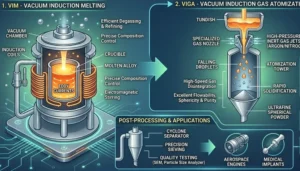
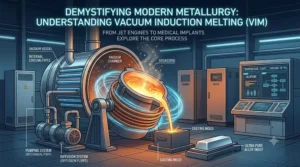
Если для вашего применения требуется экстремальная проводимость (например, >100% МАКО), рассмотрите возможность использования Редкоземельные раскислители (как лантан или церий) в сочетании с фосфорно-медным, или переехать в Вакуумная индукция таяния (Вим) устранить проблему с газом в источнике.