В литейных и металлургических цехах, тот зона плавления представляет собой уникально сложную среду: высокие температуры, тяжелая пыль, и чрезвычайный контраст света и темноты, вызванный интенсивным тепловым излучением расплавленного металла.. В этом контексте, стандарты освещения касаются не только “видимость”— они имеют решающее значение для способности оператора осваивать детали процесса и распознавать скрытые опасности..
Следующий анализ показывает, как параметры освещения незаметно влияют на безопасность и эффективность работы..
1. Освещенность (Люкс): Больше, чем яркость, Его “Управление контрастностью”
Наиболее распространенной визуальной проблемой в зоне плавления является экстремальный коэффициент яркости. Поверхность расплавленного железа исключительно яркая., в то время как окружающая среда (Корпус печи, пол) часто остается в глубокой тени.
- Относящийся к окружающей среде Стандарты: Согласно стандартам промышленного освещения (такие как ИСО 8995), Рекомендуемая средняя освещенность для плавильных цехов тяжелой промышленности обычно составляет 200 – 300 Люкс.
- Устранение “Визуальные слепые зоны”: Когда рабочий переводит взгляд с яркой расплавленной поверхности на темный пол, глазам нужно время, чтобы адаптироваться (эффект остаточного изображения). Если окружающее освещение слишком слабое, этот период адаптации создает временные “слепота,” значительно увеличивая риск спотыканий или столкновений с мостовыми кранами и оборудованием.
- Единообразие: Равномерность освещенности в зоне плавления должна быть не менее 0.6. Равномерное световое поле уменьшает постоянную регулировку глазных мышц., тем самым сводя к минимуму зрительное утомление.
2. Цветовая температура (ЦКТ) и “Обман” теплового излучения
Цветовая температура оказывает огромное влияние на работу оператора. психологическое состояние и техническое суждение.
- Вмешательство в судебное решение: Опытные операторы часто используют цвет расплавленного железа. (красный, апельсин, белый) помочь определить температуру. Если в мастерской используется освещение с низкой цветовой температурой (теплый свет, <3000К), усиливает помехи красного спектра, потенциально может привести к неправильной оценке температуры плавления.
- Рекомендуемое решение: Цветовая температура 4000К – 5000К (Нейтральный Белый) идеален. Он обеспечивает четкие визуальные границы, не вызывая серьезного эффекта Тиндаля. (где свет рассеивается “облака” в пыльном воздухе) часто вызвано более холодным светом (>6000K).
3. Индекс цветопередачи (ЦНИИ): Ключ к наземным наблюдениям
CRI определяет, насколько точно источник света передает истинные цвета объектов.. В процессе плавления, наблюдение морфология шлака, турбулентность расплава, и растворение сплавов требует высокой зрительной чувствительности.
- ЦНИИ Стандартный: Освещение в зоне плавления должно иметь Ра > 80.
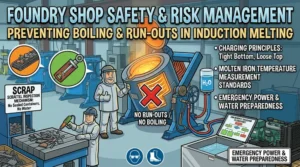
- Процесс Безопасность: Высокая цветопередача помогает операторам распознавать незначительные изменения цвета на поверхности расплавленного чугуна. (например, слои окисления или накопление шлака) рано, предотвращение несчастных случаев, таких как закипание печи или дисбаланс состава.
4. Визуальная усталость и скорость реакции: Невидимые убийцы эффективности
Длительная работа в условиях плохого освещения или яркого света вызывает триггеры утомляемость центральной нервной системы.
| Визуальная проблема | Причина | Влияние на безопасность/эффективность |
| Призраки & Блики | Открытые светодиоды или отражения от металлических поверхностей | Запоздалые реакции; отсутствуют критические показатели процесса |
| Стробоскопический эффект | Некачественные драйверы в светодиодных или газоразрядных лампах. | Вызывает головные боли; создает “статический” иллюзия вращающегося механизма |
| Ограниченное поле зрения | Пылевая окклюзия в сочетании с низкоконтрастным светом | Сокращает расстояние восприятия вилочных погрузчиков и движущихся крюков. |
5. Стратегические рекомендации: Создание эффективной визуальной системы
Чтобы сбалансировать безопасность и эффективность, Проект освещения в зоне плавления должен быть ориентирован на эти технические детали.:
- Боковой & Дополнительное освещение: За пределами потолочных светильников для высоких пролетов, установить виброустойчивый и высокотемпературный направленные прожекторы в зоне зарядки и сливном изливе. Это помогает определить края оборудования и устранить глубокие тени..
- Антибликовый Дизайн: Используйте светильники с матовыми линзами или “глубоко утопленный” источники света для предотвращения “мгновенная слепота” вызванные отражениями от металлических поверхностей.
- Чрезвычайная ситуация & Умная интеграция: Учитывая высокий риск отключения электроэнергии в зонах плавления, аварийное освещение должно быть связано с технологическим процессом, обеспечение операторам достаточного освещения для безопасного управления печью даже во время отключения электроэнергии.
Краткое содержание: Освещение в зоне плавления следует рассматривать не как основное коммунальное предприятие, а как “Вспомогательный визуальный инструмент.” Правильные уровни люкс, точные цветовые температуры, и высокая цветопередача значительно снижают порог усталости работников, сокращение технологических ошибок и инцидентов безопасности у источника.