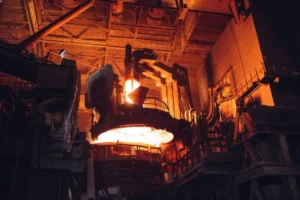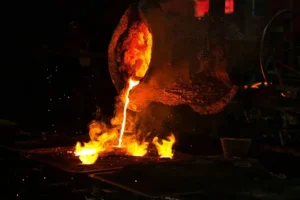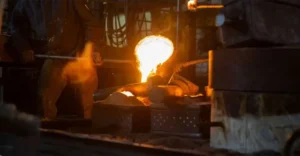
ในอุตสาหกรรมยานยนต์, การหล่อบล็อกเครื่องยนต์ (โดยทั่วไป HT250/GJL-2550 หรือ HT300/GJL-300 เหล็กหล่อเทาเกรด) แสดงถึงก “มีความแม่นยำสูง” ภาค. เผชิญกับความต้องการความเร็วสูงของไลน์การขึ้นรูปอัตโนมัติ (เช่น DISAMATIC หรือ HWS), ที่ ความขัดแย้งหลัก อยู่ที่วิธีการขจัดความผันผวนที่เกิดจาก “การละลายเป็นระยะ” ลักษณะของเตาเหนี่ยวนำและจัดหาเหล็กหลอมเหลวที่เป็น “ต่อเนื่องและมั่นคง” เช่นเดียวกับเตาหลอมเหล็กหรือโดม.
ฉัน. การควบคุมองค์ประกอบและอุณหภูมิอย่างสม่ำเสมอสูงสุด
ในการผลิตจำนวนมาก, ความแตกต่างเล็กน้อยของเหล็กหลอมเหลวแต่ละชุดอาจทำให้มีความแข็งไม่สม่ำเสมอ, ความยากลำบากในการตัดเฉือน, หรือการหดตัวของรูพรุนในการหล่อ. กุญแจสำคัญในการควบคุมคือการเปลี่ยนแปลง “ตัวแปร” เข้าไปข้างใน “ค่าคงที่”
1. การจัดการค่าใช้จ่ายที่กลั่นกรอง (การควบคุมแหล่งที่มา)
เตาเหนี่ยวนำทำงานบนหลักการของ “ขยะเข้า, ขยะออก” และขาดความสามารถในการทำปฏิกิริยาทางโลหะวิทยาของคิวโปลา. ดังนั้น, การจัดการค่าใช้จ่ายเป็นรากฐานสำคัญของความมั่นคง.
- การควบคุมความสะอาด: การหล่อยานยนต์มีความไวต่อรูพรุนของก๊าซ. น้ำมัน, ความชื้น, และสนิมบนเศษเหล็กต้องได้รับการควบคุมอย่างเข้มงวด. สำหรับเบล, ต้องตรวจสอบความหนาแน่นและการรวมภายใน.
- การผสม ความแม่นยำ: ต้องใช้ระบบแบทช์อัตโนมัติเพื่อให้แน่ใจว่ามีข้อผิดพลาดด้านอัตราส่วนของ Pig Iron, การส่งคืน, และเศษเหล็กถูกควบคุมภายใน ± 1%.
- การติดตามองค์ประกอบการติดตาม: เหล็กสีเทามีความไวต่อธาตุอาหารอย่างมาก (เช่น, ของ, ป.ล, อัล). ต้องจัดทำเอกสารเก็บถาวรของซัพพลายเออร์สำหรับองค์ประกอบการติดตามเพื่อหลีกเลี่ยงผลกระทบจากการสะสมที่ทำให้สัณฐานวิทยาของกราไฟท์เสื่อมโทรม.
2. “ส้นเท้าละลาย” และระเบียบวินัยกระบวนการ
เพื่อรักษาความสม่ำเสมอของชุดงานต่อเนื่อง, เตาจะต้องไม่ว่างเปล่าจนหมด.
- ปฏิบัติการละลายส้นเท้า: บำรุงรักษาอยู่เสมอ 30%~50% เหล็กเหลว (ส้นเท้า) ในเตาเผา.
- การทำงาน: ลดระยะเวลาการหลอมเหลวสำหรับชุดถัดไปและ, ที่สำคัญกว่านั้น, ใช้เหล็กหลอมเก่าเป็น บัฟเฟอร์ เพื่อลดความผันผวนขององค์ประกอบของประจุใหม่ลงอย่างมาก.
- พลังเต็มเปี่ยม & เครื่องทำความร้อนอย่างรวดเร็ว: หากเหล็กสีเทาอยู่ในโซนอุณหภูมิสูงนานเกินไป, แกนนิวเคลียส (นิวเคลียส) จะละลาย/จางหายไป, นำไปสู่แนวโน้มความเย็นที่เพิ่มขึ้น. กลยุทธ์ก็คือ: ละลายด้วยพลังสูง, แตะทันทีเมื่อถึงอุณหภูมิ, และห้ามถือเตารีดเป็นเวลานานโดยเด็ดขาด.
3. การควบคุมอุณหภูมิแบบวงปิด
- เป้า ความแม่นยำ: หน้าต่างอุณหภูมิการเทมักจะแคบมาก (เช่น, 1420°C ± 10°C).
- แตะการชดเชยอุณหภูมิ: เมื่อพิจารณาถึงอุณหภูมิที่ลดลงในกระบวยขนย้าย (โดยทั่วไปจะมีอุณหภูมิ 30–50°C), อุณหภูมิการกรีดเตาจะต้องปรับผ่านอัลกอริธึมการชดเชยแบบไดนามิกตามระยะการถ่ายโอนและสถานะทัพพี (ทัพพีเย็น vs. ทัพพีร้อน).
ครั้งที่สอง. แผนการกำหนดค่าสำหรับไลน์การขึ้นรูปอัตโนมัติ: การพิมพ์สองด้าน & หลายระบบ
เส้นการขึ้นรูปอัตโนมัติ (เช่น เส้นแบ่งแนวตั้ง) มีลักษณะโดย ปริมาณการใช้เหล็กอย่างต่อเนื่องและความเร็วสูง (เช่น, 300-500 แม่พิมพ์/ชั่วโมง). เตาเหนี่ยวนำเดี่ยวไม่สามารถตอบสนองความต้องการของการหลอมได้ในเวลาเดียวกัน (กระบวนการแบทช์) และการเท (กระบวนการต่อเนื่อง).
1. แนวคิดหลัก: แยกการหลอมและการถือครอง
แยก. “ละลาย” ฟังก์ชั่นจาก “จัดหา” ฟังก์ชั่นเป็นกุญแจสำคัญในการบรรลุการไหลอย่างต่อเนื่อง.
2. แผนการกำหนดค่าทั่วไป
ก. “หนึ่งต่อสอง” หรือ “Multi-supply-One” การพิมพ์สองด้าน
นี่คือการกำหนดค่าที่มีประสิทธิภาพสูงกระแสหลักที่สุด.
- โหมด: แหล่งจ่ายไฟหลักกำลังสูงหลายตัวหรือความถี่กลาง เตาหลอม + 1 ความจุขนาดใหญ่ เตาถือ/เท.
- ขั้นตอนการทำงาน:
- เตาหลอมละลายด้วยความเร็วสูงสุดและปรับองค์ประกอบ.
- เหล็กถูกเคาะลงในทัพพีขนย้าย.
- เหล็กถูกเทลงในเตาหลอมขนาดใหญ่ (เช่น, ก 10-20 เตาเหนี่ยวนำช่องตันหรือเตาเทแรงดัน).
- ข้อดี:
- ทำให้เป็นเนื้อเดียวกัน: เตาหลอมทำหน้าที่เป็นเตาขนาดใหญ่ “สระผสม” แม้ว่าจะมีความผันผวนเล็กน้อยของคาร์บอน/ซิลิคอนระหว่างชุดการหลอมละลายก็ตาม, โดยจะปรับระดับเมื่อเข้าสู่สระน้ำขนาดใหญ่, ปล่อยธาตุเหล็กที่มีความเสถียรสูง.
- บัฟเฟอร์: ในระหว่างการบำรุงรักษาหรือการชาร์จเตาหลอม, สินค้าคงคลังของเตาหลอมช่วยให้สายการปั้นสามารถผลิตต่อไปได้ 20-30 นาที.
บี. การกำหนดค่าผีเสื้อ
เหมาะสำหรับการผลิตขนาดใหญ่พิเศษ.
- เค้าโครง: 2-3 เตาหลอมที่จัดเรียงรอบๆ อุปกรณ์ถ่ายโอนระดับกลางที่หมุนได้หรือรถยนต์ชาร์จอัตโนมัติ.
- การกระจายอำนาจ: การใช้งาน “พลังคู่” หรือ “ไตรพาวเวอร์” ระบบ (เช่น, หน่วยจ่ายไฟหนึ่งหน่วยป้อนอาหารเตาสองตัว). อันหนึ่งละลายเต็มกำลังในขณะที่อีกอันคงอยู่หรือเผา, บรรลุการสลับที่ราบรื่นโดยมีความผันผวนของโครงข่ายไฟฟ้าน้อยที่สุด.
3. บูรณาการการเทอัตโนมัติ
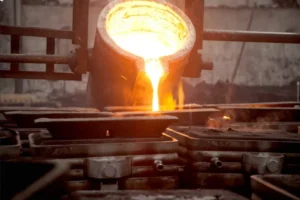
ในตอนท้ายของโครงการดูเพล็กซ์ของเตาเหนี่ยวนำ, หนึ่ง เครื่องเทอัตโนมัติ (เช่น, แบบแรงดันหรือแบบเทก้น) เป็นสิ่งจำเป็น:
- การฉีดวัคซีนสตรีม: เครื่องเทอัตโนมัติมีอุปกรณ์ฉีดวัคซีนที่แม่นยำเพื่อให้แน่ใจว่าปริมาณของหัวเชื้อต่อแม่พิมพ์มีความสม่ำเสมอ (ข้อผิดพลาด < 2%), ซึ่งมีความสำคัญอย่างยิ่งต่อสัณฐานวิทยาของกราไฟท์ของเหล็กสีเทา.
- การวางตำแหน่งภาพ: ใช้ระบบการมองเห็นด้วยเลเซอร์เพื่อปรับอัตราการไหลโดยอัตโนมัติตามระดับของเหลวในถ้วยเท, ทำให้วงจรการเทซิงโครไนซ์กับสายการขึ้นรูปอย่างสมบูรณ์แบบ.
III. เทคนิคการควบคุมกระบวนการที่สำคัญ
เพื่อรับประกันความเสถียรของระบบดังกล่าวข้างต้น, จะต้องแนะนำวิธีการติดตามต่อไปนี้:
| เฟสการควบคุม | วิธีการทางเทคนิค | วัตถุประสงค์ |
| การวิเคราะห์อย่างรวดเร็วด้านเตาหลอม | การวิเคราะห์เชิงความร้อน | หาค่าเทียบเท่าคาร์บอนได้อย่างรวดเร็ว (ซีอี), ค%, และ%, และอันเดอร์คูลลิ่ง. ใช้งานง่ายกว่าสเปกโทรสโกปีเพื่อสะท้อนคุณลักษณะการแข็งตัว. |
| การตัดแต่งองค์ประกอบ | สเปกโตรมิเตอร์ (สศส) เครือข่ายข้อมูล | ข้อมูล OES จะถูกส่งโดยตรงไปยังระบบการจัดชุดเพื่อคำนวณจำนวนการแก้ไขโลหะผสมสำหรับการชาร์จครั้งถัดไปโดยอัตโนมัติ. |
| ผลการฉีดวัคซีน | การทดสอบลิ่ม & โลหะวิทยาอย่างรวดเร็ว | ยืนยันผลการฉีดวัคซีนอย่างรวดเร็ว (ความลึกของความเย็น) ในระหว่างขั้นตอนการถ่ายโอนเหล็กเพื่อป้องกันการเสียจำนวนมาก. |
| การตรวจสอบอุปกรณ์ | ระบบตรวจสอบซับในเตาเผา | การตรวจสอบการสึกกร่อนของเยื่อบุเตาเหนี่ยวนำแบบเรียลไทม์เพื่อป้องกันการหมดสภาพและรับประกันความปลอดภัยและความต่อเนื่องในการผลิต. |
สรุป
สำหรับการหล่อบล็อคเครื่องยนต์ของรถยนต์, “ความมั่นคง” ไม่ใช่แค่ตัวบ่งชี้ทางเทคนิคเท่านั้น; มันเป็นเรื่องทางเศรษฐกิจ.
โดยใช้การกำหนดค่าของ “การหลอมหลายเตา + ใหญ่ ความจุ การถือครอง/การทำให้เป็นเนื้อเดียวกัน + เทอัตโนมัติ,” บวกกับความเข้มงวด “ส้นเท้าละลาย” และ “การฉีดวัคซีนที่แม่นยำ” กระบวนการ, สามารถขจัดความไม่ต่อเนื่องของการหลอมแบบชุดเดียวได้. สิ่งนี้เป็นไปตามข้อกำหนดที่เข้มงวดของสายการผลิตอัตโนมัติสำหรับ “ข้อบกพร่องเป็นศูนย์, ไหลอย่างต่อเนื่อง” เหล็กหลอมเหลว.