ในโรงหล่อสมัยใหม่และโรงปฏิบัติงานด้านโลหะวิทยา, “การจัดการเสียงรบกวน” สำหรับเตาเหนี่ยวนำไม่ได้เป็นเพียงเรื่องอาชีวอนามัยและการป้องกันอันตรายเท่านั้น; นอกจากนี้ยังเป็นตัวบ่งชี้ทางเทคนิคที่สำคัญที่ใช้ในการประเมินงานฝีมือในการผลิตอุปกรณ์, ความแข็งแกร่งของโครงสร้าง, และระบบควบคุมอิเล็กทรอนิกส์กำลัง.
การจัดการเสียงรบกวนที่มีประสิทธิภาพต้องใช้แนวทางที่เป็นระบบซึ่งออกแบบในสามมิติ: แหล่งที่มา (แหล่งกำเนิดเสียง), เส้นทาง (เส้นทางการส่งสัญญาณ), และ ผู้รับ (การป้องกันส่วนบุคคล).
1. แหล่งที่มาหลักของเสียงเตาเหนี่ยวนำ
เสียงที่เกิดขึ้นระหว่างการทำงานของเตาเหนี่ยวนำสามารถแบ่งได้เป็นสามประเภทหลัก ๆ:
สัญญาณรบกวนแม่เหล็กไฟฟ้า (แหล่งที่มาหลัก)
นี่เป็นลักษณะเฉพาะของเตาเหนี่ยวนำและเป็นเตาที่กำจัดได้ยากที่สุด, มักปรากฏเป็นความถี่ต่ำถึงปานกลาง “ฮัมเพลง” หรือของมีคม, เสียงสะอื้นแหลมสูง.
- การสั่นสะเทือนที่เกิดจากแรงลอเรนซ์: เมื่อกระแสสลับ (AC) ผ่านขดลวดเหนี่ยวนำ, ตัวคอยล์เองและโครงสร้างโลหะโดยรอบ (เช่นเปลือกเตาและแอกแม่เหล็ก) ถูกกองกำลังลอเรนซ์สลับสับเปลี่ยนกันมหาศาล. ทำให้เกิดความถี่สูง, การสั่นสะเทือนระดับไมโครระหว่างการหมุนของคอยล์และส่วนประกอบโครงสร้าง.
- สนามแม่เหล็ก: ที่ แอกแม่เหล็ก รอบๆ ตัวเตาหลอมจะมีการเปลี่ยนแปลงมิติทางเรขาคณิตเป็นระยะๆ เมื่อถูกทำให้เป็นแม่เหล็กโดยสนามแม่เหล็กสลับ, ทำให้เกิดการสั่นสะเทือนความถี่สูงที่แผ่เสียงรบกวนออกไปด้านนอก.
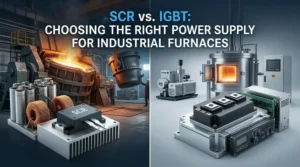
- การรบกวนฮาร์มอนิก: ฮาร์โมนิคลำดับสูงกว่าที่สร้างโดยตัวแปลงความถี่กำลัง (SCR หรือ IGBT) ในระหว่างรอบการสลับจะทำให้การสั่นสะเทือนของแม่เหล็กไฟฟ้ารุนแรงขึ้น, ทำให้ความถี่เสียงมีความซับซ้อนมากขึ้นอย่างเห็นได้ชัด.
เสียงของระบบเครื่องกลและระบบเสริม
- ระบบทำความเย็น: ระบบระบายความร้อนด้วยน้ำ (ปั๊มน้ำ, พัดลมระบายความร้อนทาวเวอร์) จำเป็นสำหรับพลังงานสูง เตาหลอม เป็นแหล่งสำคัญของสัญญาณรบกวนทางกลความถี่ปานกลางถึงสูงอย่างต่อเนื่อง.
- ระบบไฮดรอลิก: สถานีปั๊มไฮดรอลิกที่ใช้สำหรับเอียงตัวเตาหลอมและยกฝาจะสร้างเสียงการเต้นเป็นจังหวะของของเหลวและเสียงทางกลระหว่างการทำงาน.
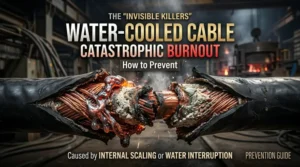
- วิปปิ้งสายเคเบิลระบายความร้อนด้วยน้ำ: สายเคเบิลระบายความร้อนด้วยน้ำที่มีกระแสไฟฟ้าแรงจะดึงดูดและผลักกันภายใต้แรงแม่เหล็กไฟฟ้า, สร้างเสียงแส้และแรงเสียดทาน.
เสียงการดำเนินงานและกระบวนการ
- ผลกระทบจากการชาร์จ: เสียงเศษเหล็กหรือเหล็กพิกชิ้นใหญ่กระแทกเข้ากับเตาหลอมระหว่างการชาร์จ.
- “ชาร์จเย็น” ปฏิกิริยาและการระเบิดของไอน้ำ: เสียงแตกหรือแตกที่เกิดจากการระเหยของความชื้นทันทีเมื่อวัสดุชื้นหรือเศษกลวงที่ปิดผนึกเข้าไปในเตาเผา.
- การกวนแม่เหล็กไฟฟ้าเข้มข้น: เสียงกวนที่เกิดจากการปั่นโลหะหลอมเหลวอย่างรุนแรงภายใต้ความหนาแน่นของพลังงานสูง.
2. กลยุทธ์การลดเสียงรบกวนและการจัดการอย่างเป็นระบบ
เพื่อจัดการกับแหล่งกำเนิดเสียงเหล่านี้, การออกแบบทางวิศวกรรมที่เหนือกว่าและการจัดการนอกสถานที่มักใช้ชุดกลยุทธ์ที่ครอบคลุม:
การควบคุมแหล่งที่มา: การเพิ่มประสิทธิภาพแม่เหล็กไฟฟ้าและโครงสร้าง
จัดการกับเสียงรบกวนในขั้นตอนการผลิตโดยการปรับปรุงความแข็งแกร่งของโครงสร้างและเพิ่มประสิทธิภาพแม่เหล็กไฟฟ้าเพื่อแก้ไขปัญหาที่เกิดขึ้น.
- ความคุ้มครองแอกแม่เหล็กเต็มรูปแบบ & กระชับ: เพิ่มพื้นที่ครอบคลุมแอก (โดยทั่วไปจะต้องจบลง 70%) และใช้ประสิทธิภาพสูง, แท่งผูกป้องกันการคลายตัวสำหรับยึด. ซึ่งไม่เพียงแต่ช่วยลดการรั่วไหลของสนามแม่เหล็กเท่านั้น แต่ยังช่วยลดการสั่นสะเทือนของสนามแม่เหล็กของแอกอีกด้วย.
- การเสริมแรงคอยล์ & การหนีบฉนวน: มีการติดตั้งตัวเว้นระยะฉนวนคุณภาพสูงระหว่างการหมุนคอยล์, และอุปกรณ์จับยึดเบกาไลท์สำหรับงานหนักได้รับการออกแบบทางวิศวกรรมที่ด้านบนและด้านล่างของคอยล์เพื่อป้องกันการเคลื่อนที่สัมพัทธ์ภายใต้แรงแม่เหล็กไฟฟ้าสลับ.
- การเชื่อมต่อที่ยืดหยุ่น & แผ่นแยกการสั่นสะเทือน: การติดตั้งมีความยืดหยุ่นสูง แผ่นป้องกันการสั่นสะเทือน ใต้โครงเตา, สถานีไฮดรอลิก, และฐานปั๊มน้ำ. ท่อโลหะหรือยางยืดหยุ่นใช้สำหรับเชื่อมต่อท่อเพื่อป้องกันการส่งแรงสั่นสะเทือนไปยังฐานรากของอาคาร.
การเพิ่มประสิทธิภาพการควบคุมอิเล็กทรอนิกส์กำลัง
- เพิ่มความถี่ในการสลับ & การบรรเทาฮาร์มอนิก: ใช้เทคโนโลยีการแปลงความถี่เต็มบริดจ์ IGBT ขั้นสูงและการปรับ PWM ให้เหมาะสม (การปรับความกว้างพัลส์) อัลกอริธึมควบคุมเพื่อเปลี่ยนความถี่ฮาร์มอนิกออกไปจากโซนความไวต่อการได้ยินของมนุษย์และความถี่เรโซแนนซ์ของโครงสร้างเตาเผา.
- การติดตั้งตัวกรอง: การติดตั้งด้านพาวเวอร์ซัพพลายด้วยแอคทีฟ (เอพีเอฟ) หรือตัวกรองแบบพาสซีฟเพื่อชำระล้างกริด, ลดแม่เหล็กไฟฟ้า “หอน” เกิดจากฮาร์โมนิค.
การหยุดชะงักของเส้นทาง (การควบคุมทางวิศวกรรม)
- ตู้เก็บเสียงและตู้เก็บเสียง: การใช้การแยกเสียงแบบปิดทั้งหมดหรือแบบกึ่งปิดสำหรับอุปกรณ์ที่มีเสียงรบกวนสูง เช่น ห้องหม้อแปลงไฟฟ้า, ตู้ไฟอินเวอร์เตอร์ความถี่, และสถานีปั๊มไฮโดรลิค.
- การยึดสายเคเบิลระบายความร้อนด้วยน้ำ: การใช้ฟิกซ์เจอร์ที่ไม่ใช่แม่เหล็กเพื่อมัดและยึดสายเคเบิลระบายความร้อนด้วยน้ำอย่างเป็นระบบ, จำกัดระยะการเคลื่อนไหวและป้องกันไม่ให้ชนกัน.
- การประชุมเชิงปฏิบัติการการออกแบบเสียง: การปรับใช้วัสดุดูดซับเสียง (เช่น ร็อควูล หรือแผงเจาะรู) บนผนังและเพดานของโรงงานเพื่อลดการสะท้อนเสียงรบกวนและการสะสมของเสียงสะท้อนภายในโรงงานอุตสาหกรรมที่ปิดล้อม.
การคุ้มครองผู้รับและการควบคุมการบริหาร (การคุ้มครองบุคลากร)
- ห้องควบคุมเก็บเสียง: การจัดตั้งห้องควบคุมแบบแยกส่วนด้วยกระจกกลวงสองชั้นสำหรับผู้ปฏิบัติงาน, รักษาระดับเสียงรบกวนภายในอาคารให้ต่ำลงอย่างปลอดภัย 65 เดซิเบล(ก).
- อุปกรณ์ป้องกันส่วนบุคคล (ชุดป้องกันส่วนบุคคล): บุคลากรเข้าไปในโซนที่มีเสียงดังใกล้เตาหลอม (โดยทั่วไปแล้วจะเกิน 85 เดซิเบล(ก)) ต้องสวมอุปกรณ์ป้องกันการได้ยินอย่างเคร่งครัด (ที่ปิดหูหรือที่อุดหู) สอดคล้องกับมาตรฐาน SNR/NRR.
- การตรวจสอบสภาพ & การซ่อมบำรุง: การบูรณาการ “เสียงรบกวนและการสั่นสะเทือน” ตรวจสอบการตรวจสอบตามปกติโดยใช้เครื่องวัดความสั่นสะเทือนแบบพกพาและเครื่องวัดระดับเสียง. โบลต์แอกที่หลวมหรือแบริ่งปั๊มที่สึกหรอมักปรากฏขึ้นเป็นเสียงผิดปกติก่อน, ช่วยให้สามารถบำรุงรักษาเชิงป้องกันเสียงรบกวนได้.
3. ค่านิยมหลักของการจัดการเสียง
ในภาคอุตสาหกรรม, การจัดการเสียงไม่ได้เป็นเพียงการทำเครื่องหมายในช่องสำหรับการตรวจสอบด้านสิ่งแวดล้อมและความปลอดภัยเท่านั้น; มันให้ผลประโยชน์ทางเศรษฐกิจโดยตรง:
- ยืดอายุการใช้งานของอุปกรณ์: เสียงคือการปล่อยพลังงานโดยพื้นฐานแล้ว, และระดับเสียงที่สูงจะควบคู่กับการสั่นสะเทือนที่สูง. การควบคุมเสียงรบกวนหมายถึงการลดความเสี่ยงของการเสียดสีของคอยล์, แอกคลาย, และความเมื่อยล้าแตกร้าวในรอยเชื่อม.
- มุ่งเน้นผู้ปฏิบัติงานที่ได้รับการปรับปรุง: สภาพแวดล้อมที่มีเสียงดังรุนแรงจะกระตุ้นให้ผู้ปฏิบัติงานเกิดความเมื่อยล้าอย่างรวดเร็ว. การลดเสียงรบกวนช่วยลดสิ่งรบกวนสมาธิได้อย่างมีประสิทธิภาพ, ลดอัตราการเกิดอุบัติเหตุร้ายแรงจากการปฏิบัติงาน เช่น “วิ่งหมด” (ความก้าวหน้าของโลหะหลอมเหลว).