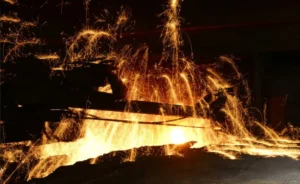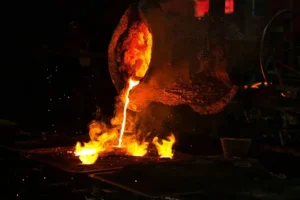
เตาเหนี่ยวนำมีชื่อเสียง “ผู้ก่อปัญหา” ในโครงข่ายไฟฟ้าอุตสาหกรรม. ตามปกติ โหลดที่ไม่เป็นเชิงเส้น, ปรับสมดุลประสิทธิภาพการหลอมด้วยกริด “สุขภาพ” เป็นการต่อสู้ที่ไม่หยุดหย่อนสำหรับวิศวกรไฟฟ้าและผู้จัดการโรงงาน.
การรบกวนอุปกรณ์ & ความสูญเสียที่มองไม่เห็น
จุดปวดหลัก: เหตุใดหม้อแปลงจึงมีความร้อนสูงเกินไปแม้ว่าจะไม่ได้โหลดเต็มที่ก็ตาม? เหตุใดเครื่อง CNC ในเวิร์คช็อปที่อยู่ติดกันจึงมีสัญญาณเตือนโดยไม่มีเหตุผลที่ชัดเจน?
กลไกการสร้างฮาร์มอนิก
แกนหลักของแหล่งจ่ายไฟของเตาเหนี่ยวนำอยู่ที่ การแก้ไข (ไฟฟ้ากระแสสลับเป็นไฟฟ้ากระแสตรง) และ การผกผัน (กระแสตรงเป็นไฟฟ้ากระแสสลับ) ขั้นตอน. เมื่อไทริสเตอร์กำลังสูง (เอสซีอาร์) หรือ IGBT ทำการสลับความถี่สูง, รูปคลื่นปัจจุบันบิดเบือน. มันเลิกเป็นคลื่นไซน์มาตรฐานแล้ว, สร้างฮาร์โมนิคลำดับสูง (เป็นหลักที่ 5, 7ไทย, 11ไทย, และคำสั่งที่ 13).
ความเสียหายที่เกิดขึ้น
- หม้อแปลงร้อนเกินไป: กระแสฮาร์มอนิกความถี่สูงทำให้เกิดความรุนแรง ผลกระทบต่อผิวหนัง ในตัวนำ, เพิ่มการสูญเสียความต้านทานของขดลวด; พวกมันยังเพิ่มฮิสเทรีซิสและการสูญเสียกระแสไหลวนในแกนเหล็กด้วย.
- การระเบิดของตัวเก็บประจุ: หากธนาคารตัวเก็บประจุค่าตอบแทนของโรงงานรูปแบบก ขนาน เสียงก้อง ด้วยความเหนี่ยวนำของระบบที่ความถี่ฮาร์มอนิกจำเพาะ, แรงดันและกระแสสามารถขยายได้หลายครั้ง, นำไปสู่การพังของตัวเก็บประจุหรือการระเบิด.
- ความแม่นยำ ความล้มเหลวของเครื่องมือ: แรงดันไฟฟ้าฮาร์มอนิกรบกวนการตรวจจับข้ามศูนย์ในวงจรควบคุม, ทำให้เกิดตัวควบคุม CNC, PLC, หรือรีเลย์ทำงานผิดปกติ.
สารละลาย: การเลือกตัวกรอง
| สารละลาย | หลักการ | ข้อดี | ข้อเสีย | สถานการณ์ที่ใช้งานได้ |
| ตัวกรองแบบพาสซีฟ | ใช้ตัวเหนี่ยวนำ (ล) & ตัวเก็บประจุ (C) ต่อเนื่องกันเพื่อสร้างเส้นทางความต้านทานต่ำสำหรับความถี่เฉพาะ (เช่น, 5ไทย, 7ไทย). | ต้นทุนต่ำ, เทคโนโลยีที่เป็นผู้ใหญ่, โครงสร้างที่เรียบง่าย. | สามารถกรองเฉพาะความถี่ที่กำหนดเท่านั้น; ไวต่ออิมพีแดนซ์ของกริด; มีความเสี่ยงจากการสั่นพ้อง. | โรงงานแบบดั้งเดิมที่มีปริมาณงานที่มั่นคงและมีงบประมาณจำกัด. |
| ตัวกรองพลังงานที่ใช้งานอยู่ (เอพีเอฟ) | ตรวจจับส่วนประกอบฮาร์มอนิกในกระแสโหลด และฉีดกระแสชดเชยที่มีแอมพลิจูดเท่ากันแต่มีเฟสตรงกันข้าม. | กรองความถี่ต่างๆ แบบไดนามิก; ไม่มีความเสี่ยงจากเสียงสะท้อน; ตอบสนองอย่างรวดเร็ว (ไมโครวินาที). | ต้นทุนที่สูงขึ้น, การใช้พลังงานค่อนข้างสูงกว่า. | โรงงานสมัยใหม่ที่ต้องการคุณภาพไฟฟ้าสูง (ประกอบด้วยอุปกรณ์ CNC ที่ละเอียดอ่อน). |
การชดเชยพลังงานปฏิกิริยา
จุดปวดหลัก: ที่ “ค่าธรรมเนียมเพาเวอร์แฟคเตอร์” (การลงโทษ) ค่าไฟรายเดือนยังสูงอยู่, และความจุของหม้อแปลงดูเหมือนไม่เพียงพอ.
รากของปัจจัยพลังงานต่ำ
เตาเหนี่ยวนำใช้การเหนี่ยวนำแม่เหล็กไฟฟ้าเพื่อให้ความร้อน, หมายความว่าภาระนั้นใหญ่มาก ขดลวดเหนี่ยวนำ. โหลดแบบเหนี่ยวนำทำให้กระแสไฟฟ้าล้าหลังแรงดันไฟฟ้า, ก่อให้เกิดความสำคัญ พลังงานปฏิกิริยา (ถาม).
เพาเวอร์แฟกเตอร์ (พีเอฟ) = cosΦ = P (คล่องแคล่ว) / ส(ปรากฏชัด)
ถ้าcosΦต่ำเกินไป (เช่น, 0.6), หมายความว่าหม้อแปลงกำลังส่งสัญญาณเอาต์พุต Apparent Power S จำนวนมาก, แต่ทำงาน ป. ที่มีประโยชน์น้อยมาก.
กลยุทธ์การจ่ายค่าตอบแทน: ธนาคารตัวเก็บประจุ
ธนาคารตัวเก็บประจุที่เชื่อมต่อกับบัสบาร์จะให้กระแสประจุไฟฟ้าชั้นนำเพื่อชดเชยกระแสอุปนัยที่ล้าหลังจากเตาเผา.
- หลีกเลี่ยงการลงโทษ: เพิ่มตัวประกอบกำลังให้สูงกว่า 0.95 กำจัดค่าปรับสาธารณูปโภคโดยตรงและอาจเข้าข่ายได้รับสิ่งจูงใจด้วย.
- ปล่อยหม้อแปลง ความจุ:
- กรณี: หม้อแปลงขนาด 2000kVA ที่มี PF=0.6 สามารถรองรับโหลดได้เพียง 1200kW เท่านั้น.
- ปรับปรุงแล้ว: โดย PF=0.95, หม้อแปลงตัวเดียวกันสามารถรองรับโหลดได้ 1900kW.
- บทสรุป: การชดเชยพลังงานปฏิกิริยาจะเพิ่มอย่างมีประสิทธิภาพ “ฟรี” ความจุของหม้อแปลงโดยไม่ต้องอัพเกรดราคาแพง.
บันทึก: ในระบบที่มีฮาร์โมนิครุนแรง, ธนาคารตัวเก็บประจุ ด้วยเครื่องปฏิกรณ์แบบซีรีส์ (เครื่องปฏิกรณ์แบบ detuned) จะต้องถูกใช้. มิฉะนั้น, กระแสฮาร์มอนิกจะพุ่งเข้าสู่ตัวเก็บประจุ, ทำให้เกิดความเสียหาย.
การส่งกระแสไฟฟ้าสูง
จุดปวดหลัก: สายเชื่อมต่อแบบยืดหยุ่น (สายเคเบิลระบายความร้อนด้วยน้ำ) การเชื่อมต่อตู้ไฟเข้ากับตัวเตาถือเป็นโซนที่เกิดความล้มเหลวสูงสุด. การหยุดพักที่นี่หมายถึงการหยุดการผลิตทันที.
โครงสร้าง & อันตราย
โดยทั่วไปสายเคเบิลระบายความร้อนด้วยน้ำประกอบด้วยสายทองแดงตีเกลียวพร้อมช่องน้ำหล่อเย็นส่วนกลาง, ห่อด้วยสายยาง. พวกเขาทำหน้าที่เป็น “สายสะดือ” ของ เตาเหนี่ยวนำ, ส่งสัญญาณหลายพันหรือหลายหมื่นแอมแปร์.
โหมดความล้มเหลวทั่วไป & การป้องกัน
- เส้นหัก & ความร้อนสูงเกินไป (ความเหนื่อยล้า):
- สาเหตุ: การเอียงเตาและการสั่นสะเทือนของแม่เหล็กไฟฟ้าทำให้เกิดการแตกหักของเส้นทองแดงเมื่อยล้า. พอแตกแล้ว, หน้าตัดที่มีประสิทธิผลลดลง, ความต้านทานเพิ่มขึ้น, นำไปสู่ความร้อนสูงเกินไป.
- การป้องกัน: วัดความต้านทาน DC อย่างสม่ำเสมอ. หากความต้านทานของสายเคเบิลเพิ่มขึ้นด้วย 10-15% เมื่อเทียบกับอันใหม่, แทนที่ทันที.
- การอุดตันของน้ำ:
- สาเหตุ: คุณภาพน้ำไม่ดีนำไปสู่การปรับขนาด, ลดการไหลของน้ำและทำให้เส้นทองแดงไหม้เนื่องจากการกระจายความร้อนไม่ดี.
- การป้องกัน: ต้องใช้ระบบวงปิดกับน้ำบริสุทธิ์/น้ำกลั่น และล้างท่อน้ำเคเบิลเป็นระยะๆ.
- แรงเสียดทาน & การลัดวงจร:
- สาเหตุ: ภายใต้กระแสสูง, สายเคเบิลก่อให้เกิดความยิ่งใหญ่ กองกำลังลอเรนซ์, ทำให้พวกเขาแกว่งไปมาตีกันอย่างรุนแรง, การสึกหรอของฉนวน.
- การป้องกัน: ใช้ตัวเว้นระยะฉนวนเพื่อยึดและแยกสายเคเบิล, และติดตั้งเปลือกนอกที่ทนต่อการขัดถู (เช่นผ้าใบกันไฟ).