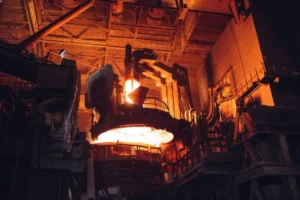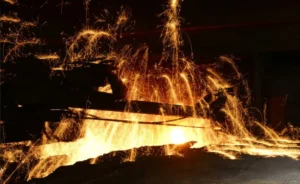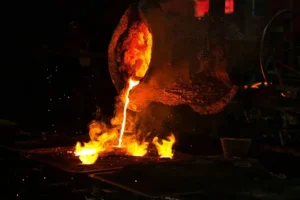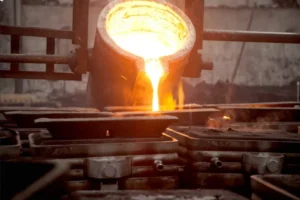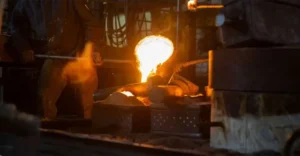
Trong ngành công nghiệp ô tô, đúc khối động cơ (tiêu biểu HT250/GJL-2550 hoặc HT300/GJL-300 Gang xám loại) đại diện cho một “độ chính xác cao” lĩnh vực. Đối mặt với nhu cầu tốc độ cao của dây chuyền đúc tự động (chẳng hạn như DISAMATIC hoặc HWS), các xung đột cốt lõi nằm ở việc làm thế nào để loại bỏ những biến động gây ra bởi “tan chảy không liên tục” bản chất của lò nung cảm ứng và cung cấp nguồn sắt nóng chảy tương đương với “liên tục và ổn định” như của Lò cao hoặc Cupola.
TÔI. Kiểm soát tính nhất quán cao độ của thành phần và nhiệt độ
Trong sản xuất hàng loạt, Sự khác biệt nhỏ trong mỗi mẻ sắt nóng chảy có thể dẫn đến độ cứng không đồng đều, khó khăn gia công, hoặc độ xốp co ngót trong vật đúc. Chìa khóa để kiểm soát là biến đổi “biến” vào trong “hằng số.”
1. Quản lý phí tinh tế (Kiểm soát nguồn)
Lò nung cảm ứng hoạt động dựa trên nguyên lý “rác trong, đổ rác” và thiếu khả năng phản ứng luyện kim của mái vòm. Vì thế, quản lý phí là nền tảng của sự ổn định.
- Kiểm soát độ sạch: Đúc ô tô rất nhạy cảm với độ xốp của khí. Dầu, độ ẩm, rỉ sét trên thép phế liệu phải được kiểm soát chặt chẽ. Đối với kiện, mật độ và tạp chất bên trong phải được theo dõi.
- trộn Độ chính xác: Phải sử dụng hệ thống trộn tự động để đảm bảo sai số tỷ lệ của Pig Iron, Trả lại, và Phế liệu thép được kiểm soát trong vòng ± 1%.
- Theo dõi phần tử dấu vết: Sắt xám cực kỳ nhạy cảm với các nguyên tố vi lượng (ví dụ., Của, Pb, Al). Phải thiết lập kho lưu trữ của nhà cung cấp các nguyên tố vi lượng để tránh các hiệu ứng tích tụ làm suy giảm hình thái than chì.
2. “gót chân tan chảy” và Quy trình kỷ luật
Để duy trì tính nhất quán giữa các đợt liên tục, lò không bao giờ được làm trống hoàn toàn.
- Hoạt động làm tan chảy gót chân: Luôn duy trì 30%~50% sắt lỏng (gót chân) trong lò.
- Chức năng: Rút ngắn thời gian nấu chảy cho mẻ tiếp theo và, quan trọng hơn, sử dụng sắt nóng chảy cũ làm Bộ đệm để pha loãng đáng kể sự biến động thành phần của điện tích mới.
- Toàn bộ sức mạnh & Làm nóng nhanh: Nếu sắt xám ở vùng nhiệt độ cao quá lâu, lõi tạo mầm (hạt nhân) sẽ hòa tan/mờ dần, dẫn đến xu hướng lạnh tăng lên. Chiến lược là: Tan chảy với công suất cao, chạm ngay khi đạt nhiệt độ, và nghiêm cấm cầm bàn ủi trong thời gian dài.
3. Kiểm soát nhiệt độ vòng kín
- Mục tiêu Độ chính xác: Cửa sổ nhiệt độ rót thường cực kỳ hẹp (ví dụ., 1420°C ± 10°C).
- Nhấn vào bù nhiệt độ: Xem xét sự giảm nhiệt độ trong muôi chuyển (thường là 30–50°C), nhiệt độ khai thác lò phải được điều chỉnh thông qua thuật toán bù động dựa trên khoảng cách truyền và trạng thái lò rót (Muôi lạnh vs. muôi nóng).
Ii. Sơ đồ cấu hình cho dây chuyền đúc tự động: In hai mặt & Đa hệ thống
Dây chuyền đúc tự động (chẳng hạn như đường chia tay dọc) được đặc trưng bởi tiêu thụ sắt liên tục và tốc độ cao (ví dụ., 300-500 khuôn/giờ). Một lò cảm ứng đơn lẻ không thể đồng thời đáp ứng nhu cầu nấu chảy (Quá trình hàng loạt) và đổ (Quá trình liên tục).
1. Khái niệm cốt lõi: Tách nóng chảy và giữ
Tách các “tan chảy” chức năng từ “cung cấp” chức năng là chìa khóa để đạt được một dòng chảy liên tục.
2. Sơ đồ cấu hình điển hình
MỘT. “Một chọi Hai” hoặc “Đa cung-Một” In hai mặt
Đây là cấu hình hiệu quả cao phổ biến nhất.
- Cách thức: Nhiều nguồn điện chính hoặc tần số trung bình Lò nung chảy + 1 công suất lớn Lò giữ/đổ.
- Quy trình làm việc:
- Lò nóng chảy tan chảy ở tốc độ tối đa và điều chỉnh thành phần.
- Sắt được gõ vào một cái muôi chuyển.
- Sắt được đổ vào lò nung lớn (ví dụ., Một 10-20 lò nung cảm ứng kênh tấn hoặc lò đổ áp lực).
- Thuận lợi:
- Đồng nhất hóa: Lò giữ hoạt động như một khối lớn “bể trộn.” Ngay cả khi có sự dao động nhẹ về Carbon/Silic giữa các mẻ nấu chảy, chúng được thăng cấp khi bước vào bể bơi lớn, xuất ra sắt cực kỳ ổn định.
- Bộ đệm: Trong quá trình bảo trì hoặc sạc lò nung chảy, việc tồn kho lò cho phép dây chuyền đúc tiếp tục sản xuất 20-30 phút.
B. Cấu hình bướm
Thích hợp cho sản xuất quy mô cực lớn.
- Cách trình bày: 2-3 Lò nấu chảy được bố trí xung quanh thiết bị trung chuyển quay hoặc xe sạc tự động.
- Phân phối điện: Sử dụng “Nguồn kép” hoặc “Tri-Power” hệ thống (ví dụ., một bộ cấp nguồn cấp điện cho hai thân lò). Một cái tan chảy hết công suất trong khi cái kia giữ hoặc thiêu kết, đạt được chuyển mạch liền mạch với biến động lưới điện tối thiểu.
3. Tích hợp đổ tự động
Khi kết thúc sơ đồ song công của lò cảm ứng, MỘT Máy rót tự động (ví dụ., Loại áp suất hoặc đổ đáy) là điều cần thiết:
- Tiêm dòng: Máy rót tự động được trang bị một thiết bị cấy dòng chính xác để đảm bảo liều lượng chế phẩm phù hợp cho mỗi khuôn (lỗi < 2%), điều này rất quan trọng đối với hình thái than chì của sắt xám.
- Định vị trực quan: Sử dụng hệ thống quan sát bằng laser để tự động điều chỉnh tốc độ dòng chảy dựa trên mức chất lỏng của cốc rót, giữ cho chu trình rót được đồng bộ hoàn hảo với dây chuyền đúc.
Iii. Kỹ thuật kiểm soát quy trình chính
Để đảm bảo sự ổn định của các hệ thống nêu trên, các phương pháp giám sát sau đây phải được áp dụng:
| Giai đoạn điều khiển | Phương pháp kỹ thuật | Mục đích |
| Phân tích nhanh phía lò | Phân tích nhiệt | Nhanh chóng xác định lượng Carbon tương đương (CN), C%, Và%, và hạ nhiệt. Trực quan hơn quang phổ để phản ánh các đặc tính hóa rắn. |
| Cắt tỉa thành phần | máy quang phổ (OES) Mạng dữ liệu | Dữ liệu OES được truyền trực tiếp đến hệ thống trộn để tự động tính toán lượng hiệu chỉnh hợp kim cho lần sạc tiếp theo. |
| Hiệu ứng tiêm chủng | Kiểm tra nêm & Luyện kim nhanh | Nhanh chóng xác nhận hiệu quả tiêm chủng (Độ sâu lạnh) trong giai đoạn chuyển sắt để tránh bị bong tróc số lượng lớn. |
| Giám sát thiết bị | Hệ thống giám sát lót lò | Giám sát thời gian thực tình trạng xói mòn lớp lót lò cảm ứng để ngăn chặn tình trạng hết nước và đảm bảo an toàn và liên tục trong sản xuất. |
Bản tóm tắt
Để đúc khối động cơ ô tô, “Sự ổn định” không chỉ là một chỉ báo kỹ thuật; nó là một vấn đề kinh tế.
Bằng cách sử dụng cấu hình của “Nấu chảy nhiều lò + Lớn Dung tích Giữ/đồng nhất hóa + Đổ tự động,” kết hợp chặt chẽ “gót chân tan chảy” Và “Cấy chính xác” quá trình, sự rời rạc của quá trình nấu chảy từng đợt có thể được loại bỏ. Điều này đáp ứng được yêu cầu khắt khe của dây chuyền sản xuất tự động hóa cho “Không có khuyết tật, Dòng chảy liên tục” sắt nóng chảy.