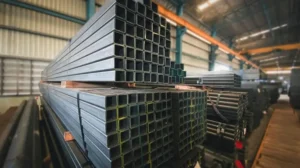
Trong ngành công nghiệp đúc và luyện kim, kim loại phế liệu thường chiếm 60% ĐẾN 70% của chi phí sản xuất. Đối với một người quản lý trung bình, phế liệu chỉ là một đống “rác” với chất lượng không thể kiểm soát. nhưng đối với một nhà điều hành khôn ngoan, sử dụng đúng công nghệ, nó là “vàng” đang chờ được tinh chế.
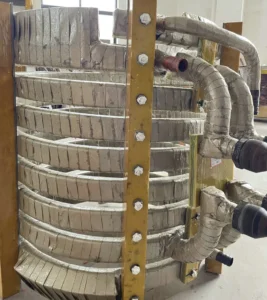
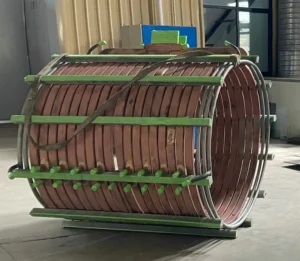
Trong này “thuật giả kim” quá trình, các Tần số trung bình Lò nung cảm ứng là công cụ cốt lõi giúp biến đổi nguyên liệu thô có chi phí thấp thành sản phẩm có giá trị cao, nhờ tính linh hoạt và khả năng kiểm soát độc đáo của nó.
TÔI. Tại sao Lò nung cảm ứng lại là kiệt tác “Phế thải thành giàu có”
So sánh với lò Cupola hoặc lò điện hồ quang (EAF), lò cảm ứng tự hào có những lợi thế vật lý khác biệt khi xử lý phế liệu phức tạp, đặt nền móng cho “Tối ưu hóa phí.”
1. Khuấy điện từ
Đây là vũ khí tối thượng của lò cảm ứng. Từ trường do dòng điện tạo ra sẽ tự động khuấy động kim loại nóng chảy.
- Lợi thế: Ngay cả khi bạn nhập mẩu tin lưu niệm có nhiều thành phần khác nhau (chẳng hạn như sự kết hợp của ánh sáng, phế liệu mỏng và thép kết cấu nặng), việc khuấy đảm bảo thành phần hóa học nhanh chóng và đồng đều, xóa bỏ sự phân biệt. Điều này cho phép bạn sử dụng tích cực hơn các tính năng phức tạp, phế liệu rẻ hơn.
2. Kiểm soát nhiệt độ chính xác
- Lợi thế: Khả năng kiểm soát nhiệt độ trong phạm vi rất hẹp (ví dụ., $\chiều 5^circtext{C}$). Điều này rất quan trọng để giảm thiểu tổn thất do cháy (quá trình oxy hóa) của các nguyên tố hợp kim đắt tiền, từ đó làm giảm chi phí “trang điểm” bổ sung.
3. Tính linh hoạt cho “Không liên tục” Sản xuất
- Lợi thế: Lò cảm ứng có thể được khởi động và dừng nhanh chóng, và bồn tắm có thể dễ dàng làm trống. Điều này có nghĩa là cùng một lò có thể sản xuất sắt xám trong một nhiệt lượng, và sắt dẻo hoặc thậm chí thép hợp kim cao trong tương lai. Tính linh hoạt này cho phép các công ty đáp ứng nhanh chóng nhu cầu thị trường và tạo ra các đơn hàng có giá trị cao.
Ii. Cách tận dụng “Tính linh hoạt” để cắt giảm chi phí
Để rẽ “rác” vào trong “vàng,” điều quan trọng là phải thoát khỏi suy nghĩ của “chỉ mua phế liệu cao cấp” và thay vào đó áp dụng chiến lược “Phế liệu giá rẻ + Quá trình bồi thường.”
Chiến lược 1: Các “Gang tổng hợp” Quá trình
Đây là kỹ thuật giá trị gia tăng cổ điển nhất trong nấu chảy cảm ứng.
- Cách tiếp cận truyền thống: Mua gang đắt tiền làm nguyên liệu chính.
- cảm ứng Tối ưu hóa Tiếp cận: Sử dụng số lượng lớn giá rẻ chung thép cacbon phế liệu (thậm chí quay và đấm).
- Hoạt động: Thêm một Bộ chế hòa khí lại vào lò cảm ứng. Nhiệt độ cao và khuấy đều để cacbon hòa tan vào thép, tổng hợp nhân tạo “Gang đúc.”
- Giá trị chuyển đổi: Giá thép phế liệu thấp hơn nhiều so với gang. Bằng cách nấu chảy trong lò cảm ứng, bạn sản xuất vật đúc có độ bền cao—thường tốt hơn so với vật đúc bằng gang nguyên chất—bằng cách sử dụng “rẻ mạt” phế liệu.
Chiến lược 2: Xử lý “Khó” Vật liệu phế liệu
Lò cảm ứng khá thích ứng với nhiều hình dạng phế liệu khác nhau (mật độ được cung cấp được quản lý).
- Tiện và phế liệu nhẹ (Nhàm chán & Máy đo ánh sáng): Đây thường được coi là phế liệu cấp thấp vì dễ bị oxy hóa và khó nóng chảy.
- Giải pháp: Sử dụng gót chân tan chảy kỹ thuật trong lò cảm ứng. Một phần kim loại nóng chảy được giữ lại ở đáy lò, và mảnh vụn nhẹ nhanh chóng bị đẩy xuống dưới bề mặt kim loại lỏng.
- Kết quả: Tỷ lệ thu hồi cực cao và chi phí nguyên liệu thô thấp hơn đáng kể.
Chiến lược 3: Điều chỉnh vi mô hợp kim chính xác
Bằng cách tận dụng đặc tính tổn thất cháy thấp của lò cảm ứng, có thể sử dụng các dạng hợp kim rẻ hơn.
- Ví dụ, trực tiếp sử dụng Cacbua silic (SiC) thay vì một số ferrosilicon đắt tiền không chỉ bổ sung silicon mà còn hoạt động như chất tiền chế phẩm., cải thiện hình thái than chì và nâng cấp loại sản phẩm (chuyển đổi một phần tiêu chuẩn thành một phần có độ bền cao).
Iii. Nguyên tắc vàng của việc tối ưu hóa phí
Bằng cách thực hiện đúng phương pháp, các loại phế liệu khác nhau có thể cùng tồn tại hoàn hảo trong lò.
1. Nguyên tắc tỷ lệ mật độ
Luật lệ: Không bao giờ đổ vật liệu nhẹ vào lò trống.
- Đáy: Đặt phế liệu cỡ trung bình để bảo vệ lớp lót.
- Ở giữa: Thêm dày đặc, phế liệu nặng, tận dụng cảm ứng dòng điện cao và tốc độ gia nhiệt nhanh của nó như một “nguồn nhiệt.”
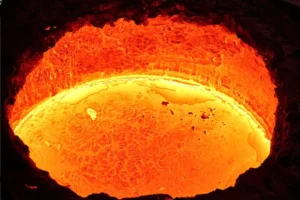
- Giai đoạn trên/sau: Khi một hồ tan chảy hình thành, thêm phế liệu nhẹ hoặc tiện, sử dụng kim loại nóng chảy để nhanh chóng nhấn chìm nó và giảm thiểu quá trình oxy hóa.
2. Hóa chất “Phép cộng và phép trừ”
- Phương pháp pha loãng: Nếu bạn có một lô phế liệu giá rẻ chứa quá nhiều Lưu huỳnh (S) nội dung, đừng vứt bỏ nó. Trộn nó với tỷ lệ tính toán của phế liệu cao cấp có hàm lượng lưu huỳnh thấp (hoặc thép cacbon). Quá trình khuấy của lò cảm ứng đảm bảo sự tích hợp hoàn hảo, đưa hàm lượng lưu huỳnh của sản phẩm cuối cùng đạt tiêu chuẩn kỹ thuật.
- Phương pháp sử dụng: Nếu phế liệu có chứa Molypden dư (Mo) hoặc Đồng (Củ), quản lý nó theo danh mục. Cố ý sử dụng phế liệu này khi sản xuất các loại vật đúc cao cấp cần sử dụng các hợp kim này, tiết kiệm chi phí mua hợp kim nguyên chất.
IV. Phương trình kinh tế: Giá trị được tạo ra như thế nào
Hãy xem xét một mô hình chuyển đổi giá trị đơn giản:
| Mục chi phí | Mô hình truyền thống (Sự phụ thuộc vào gang) | Mô hình tối ưu hóa (cảm ứng + Quy trình phế liệu) | kết quả |
| Nguyên liệu chính | Gang giá cao + Phế liệu cao cấp | Phế liệu rẻ tiền + Bộ chế hòa khí lại | Chi phí nguyên liệu thô giảm 20%-30% |
| Bổ sung hợp kim | Bổ sung rộng rãi FeSi/FeMn | Cacbua silic + Hợp kim còn sót lại trong phế liệu | Chi phí hợp kim giảm đi 10% |
| Chất lượng sản phẩm | Tiêu chuẩn | Thượng đẳng (Cấu trúc than chì được cải thiện) | Giá bán tăng thêm 5%-15% |
| Tỷ suất lợi nhuận | Gầy | Giá trị gia tăng cao | Tối đa hóa lợi nhuận |
V.. Phần kết luận
Phế liệu kim loại vốn không tốt hay xấu - nó chỉ đơn giản là một nguồn tài nguyên có thể được đặt sai vị trí. Lò nung cảm ứng không chỉ là nơi nấu chảy kim loại; nó là một “Bộ điều chỉnh thành phần” và một “Lợi nhuận Bộ khuếch đại.”
Bằng việc sử dụng triệt để khuấy điện từ Và Kiểm soát nhiệt độ chính xác khả năng của lò cảm ứng, bạn có thể tự tin tích hợp phế liệu giá rẻ, và thông qua quá trình tính toán lô và chế hòa khí khoa học, tạo ra hiệu suất cao, đúc cao cấp. Đây là bí mật cuối cùng để biến “rác” trong phế liệu vào “vàng” lợi nhuận doanh nghiệp.