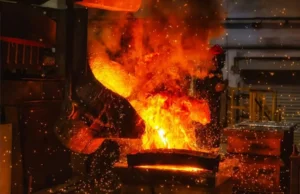
Đây là một chủ đề chuyên môn cao nhằm giải quyết các điểm yếu cốt lõi của ngành đúc và luyện kim.
Từ Kiểm soát chi phí (Tỷ lệ phục hồi) ĐẾN Kiểm soát chất lượng (Động học hòa tan) Và Kiểm soát quá trình (Cơ chế mờ dần), ba chiều này tạo thành yếu tố quan trọng “Tam giác sắt” quản lý cửa hàng tan chảy.
Dưới đây là phần đi sâu vào ba chủ đề này, cung cấp các chiến lược khả thi cho dây chuyền sản xuất của bạn.
Phần 1: Tính toán chính xác – Tối đa hóa việc thu hồi các hợp kim đắt tiền
Điểm đau: Với giá thành hợp kim cao như Molypden, Niken, và Vanadi, chỉ là một 1% tổn thất biến thành một tổn thất tài chính lớn “lỗ đen” trong quá trình sản xuất dài hạn.
1. Dữ liệu khôi phục cơ bản (Giá trị tham khảo)
Dữ liệu thay đổi tùy theo môi trường tan chảy (EAF vs. NẾU NHƯ) và mức độ khử oxy. Sau đây là những đường cơ sở điển hình cho Lò nung cảm ứng (Khí quyển trung tính/giảm nhẹ):
| Yếu tố | Tỷ lệ phục hồi điển hình | Xu hướng oxy hóa | Ghi chú |
| Niken (TRONG) | 98% – 100% | Rất thấp | Hầu như không có quá trình oxy hóa; tổn thất chủ yếu là cơ học (bắn tung tóe). |
| Molypden (Mo) | 95% – 98% | Thấp | Molypden oxit dễ bay hơi; chú ý đến phương pháp cộng. |
| Đồng (Củ) | 98% – 100% | Rất thấp | Xu hướng chìm; yêu cầu khuấy kỹ. |
| Vanadi (V.) | 85% – 95% | Trung bình | Dễ dàng liên kết với oxy để tạo thành xỉ; chỉ thêm vào tan chảy được khử oxy tốt. |
| crom (Cr) | 85% – 92% | Trung bình/Cao | Phụ thuộc vào hàm lượng Carbon và nhiệt độ; dễ hình thành cặn bã. |
| Mangan (Mn) | 80% – 90% | Cao | Một nguyên tố hy sinh thường được sử dụng để khử oxy; sự phục hồi dao động đáng kể. |
2. Công thức chính xác
Đừng chỉ nhìn vào tổng đầu vào so với. đầu ra. Sử dụng Phương pháp cân bằng khối lượng:
h = ( Cfinal x Wtotal ) – ( Cinitial x Winitial ) / Walloy x Cpure x 100%
- hoặc: Tỷ lệ phục hồi
- Ccuối cùng: Nồng độ cuối cùng (Phân tích quang phổ)
- Wtổng cộng: Tổng trọng lượng của sắt nóng chảy
- Cban đầu: Nồng độ dư vốn có trong vật liệu tích điện
- Wban đầu: Tổng trọng lượng của hợp kim được thêm vào
- Cnguyên chất: Độ tinh khiết của vật liệu hợp kim (ví dụ., Chứa Ferro-Molypden 60% Mo)
3. Các yếu tố quan trọng & Chiến lược tối ưu hóa
- Thời gian & Nhiệt độ:
- Nguyên tắc: “Khử oxy trước, hợp kim sau này.” Không bao giờ thêm hợp kim đắt tiền (V., Cr) khi tan chảy ở trạng thái oxy hóa mạnh nhất.
- Cửa sổ nhiệt độ: Trong khi nhiệt độ cao làm tăng tốc độ tan chảy, chúng làm tăng quá trình oxy hóa. Đối với các nguyên tố dễ bị oxy hóa (Mn, Cr), thêm ngay trước khi nhấn. Đối với các yếu tố chịu lửa (Mo, W), thêm vào giữa quá trình tan chảy để đảm bảo đủ thời gian khuếch tán.
- Yếu tố hình thức (Phương pháp bổ sung):
- Cục u vs. Tiền phạt/Phí chip: Hạt hợp kim có diện tích bề mặt riêng cao. Nếu ném trực tiếp lên bề mặt chất lỏng, chúng sẽ bị oxy hóa bởi khí lò hoặc bị giữ lại trong xỉ.
- Chiến lược: Tiền phạt phải được đóng trong thùng thép và ép xuống đáy lò hoặc thêm vào dòng. Hợp kim cục nên bỏ qua lớp xỉ và đi vào “cái bướu” vùng (nơi khuấy cảm ứng là mạnh nhất).
- Khuấy tan chảy:
- Khuấy là chìa khóa để phá vỡ gradient nồng độ. Lò nung cảm ứng có khuấy điện từ tự nhiên, trong khi đó Lò hồ quang điện (EAF) thường yêu cầu hỗ trợ thổi argon phía dưới.
Phần 2: Động học hòa tan - Tại sao hợp kim của bạn nóng chảy không đều?
Điểm đau: “Sự phân chia thành phần” hoặc “Điểm cứng” dẫn đến dụng cụ bị hỏng trong quá trình gia công hoặc tính chất cơ lý không đồng đều.
1. Luyện kim vật lý: tan chảy vs. Giải tán
- tan chảy: Một sự thay đổi pha vật lý thuần túy (Rắn → Chất lỏng). Áp dụng cho hợp kim có điểm nóng chảy thấp hơn hơn sự tan chảy của sắt (ví dụ., Củ, Al).
- Giải tán: Nguyên tử hợp kim rắn khuếch tán vào sắt lỏng. Áp dụng cho hợp kim có điểm nóng chảy cao hơn hơn sự tan chảy của sắt (ví dụ., Mo và 2623oC, W ở 3422oC ).
- Cơ chế: Nguyên tử sắt khuếch tán lên bề mặt hợp kim, tạo thành lớp chất lỏng eutectic có nhiệt độ nóng chảy thấp hơn. Lớp này tan chảy và bong ra, lộ ra bề mặt rắn tươi.
2. Phân tích trường hợp cực đoan
- Hợp kim có điểm nóng chảy cao (W, Mo):
- Vấn đề: Mật độ cao khiến chúng chìm. Nếu đáy lò lạnh (một điểm chung “vùng chết” trong lò cảm ứng), họ sẽ ngồi đó không giải quyết được.
- Giải pháp: Tránh thêm vào muộn trong quá trình tan chảy. Sử dụng cảm ứng “cái bướu” có tác dụng kéo chúng vào vùng nhiệt độ cao trung tâm.
- Mật độ thấp / Hồi đáp nhanh Hợp kim (Của, Al, Mg):
- Vấn đề: Mật độ thấp gây nổi. Theo Stokes’ Pháp luật, chúng nhanh chóng vươn lên bề mặt phân cách xỉ-không khí, dẫn đến quá trình oxy hóa chứ không phải là hòa tan.
- Giải pháp: Sử dụng “Phương pháp nhấn/chuông” hoặc “Tiêm dòng.” Nghiêm cấm tán xạ trực tiếp trên bề mặt.
3. Chiến lược tối ưu hóa
- Làm nóng trước: Tuyệt đối quan trọng.
- Hút ẩm: Ngăn chặn độ xốp hydro.
- Giảm Sốc Nhiệt: Hợp kim nguội đi vào sắt nóng tạo thành một “Vỏ ướp lạnh” (lớp sắt đông đặc) xung quanh hợp kim, chặn sự khuếch tán ban đầu. Làm nóng trước rút ngắn thời gian cần thiết để làm tan lớp vỏ này.
- hạt Kiểm soát kích thước:
- Đối với hợp kim chịu lửa (Mo, W), kích thước nhỏ hơn bằng diện tích bề mặt lớn hơn và hòa tan nhanh hơn (nhưng tránh bột/bụi). Kích thước lý tưởng thường là 10 – 30 mm.
Phần 3: Các “Hạn sử dụng” của sắt nóng chảy – tạo thành nốt & Tiêm chủng phai màu
Điểm đau: Sắt phân tích chính xác khi khai thác, nhưng vài khuôn cuối cùng được đổ ra có chứa cacbua (sự ớn lạnh) hoặc có nốt sần kém.
1. Cơ chế mờ dần
Đây là một quá trình nhiệt động tự phát; nó không thể dừng lại được, chỉ bị trì hoãn.
- Magiê phai màu (Mất nốt sần):
- Bay hơi & quá trình oxy hóa: Điểm sôi của Magiê (1090oC) nhiệt độ thấp hơn nhiều so với nhiệt độ của sắt. Mg liên tục thoát ra dưới dạng bong bóng hơi hoặc phản ứng với Oxy/Lưu huỳnh để tạo thành MgO/MgS, trôi vào trong xỉ.
- Tỷ lệ: Xấp xỉ. 0.001% – 0.004% mất Mg dư mỗi phút.
- Tiêm chủng phai màu:
- Quá trình chín của Ostwald: Các hạt nhân cực nhỏ được hình thành bởi chế phẩm (ví dụ., Vùng giàu Si, lõi oxit) không ổn định ở nhiệt độ cao. Hạt lớn “ăn thịt đồng loại” những cái nhỏ, giảm đáng kể số lượng các vị trí tạo mầm hiệu quả.
- Kết quả: Sau đó 10-15 phút, số lượng nốt sần giảm đáng kể, và cacbua (Sắt trắng) xuất hiện.
2. Biện pháp đối phó: Chạy đua với thời gian
| Đo lường | Hoạt động | Nguyên tắc |
| Nhiệt độ. Điều khiển | Hạ nhiệt độ xử lý (ví dụ., 1480 oC đến 1450 oC ) | Đối với mọi 50 oC giảm, Sự bay hơi của Mg chậm lại đáng kể, kéo dài thời hạn sử dụng. |
| Che phủ | Phủ sắt đã qua xử lý bằng chất keo tụ xỉ hoặc đá trân châu | Cô lập sự tan chảy từ không khí, giảm quá trình oxy hóa Mg và duy trì nhiệt. |
| Sau tiêm chủng | Tiêm dòng | Thêm vào 0.1%-0.2% chế phẩm tốt cho dòng chảy. Đây là vũ khí hiệu quả nhất chống lại sự phai màu vì nó xảy ra vài giây trước khi đông đặc. |
| trong khuôn | Chèn trong khuôn | Đặt khối chế phẩm trực tiếp vào hệ thống chạy. Không phai, nhưng yêu cầu thiết kế cổng chính xác. |
| Đường màu đỏ | Đặt một “Thời hạn” | Việc đổ thường phải được hoàn thành trong vòng 15-20 phút sau điều trị. Sắt hết hạn phải được heo hoặc hạ cấp; đừng ép đổ. |