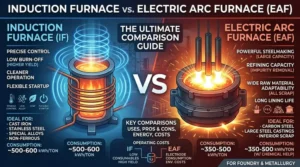
تفرض عمليات إعادة التدوير والصب للمعادن الثمينة مثل الذهب والفضة متطلبات صارمة للغاية على النقاء, معدلات الخسارة, وبيئة الإنتاج. في علم المعادن الحديث وصناعة المسابك, السبب أفران الحث (وخاصة أفران الحث ذات التردد المتوسط والعالي) أصبحت المعدات الأساسية المطلقة في هذا المجال ويرجع ذلك في المقام الأول إلى مبادئ التدفئة الفريدة والخصائص المعدنية.
1. تلقائي “التحريك الكهرومغناطيسي” تأثير
هذه هي واحدة من السمات المعدنية الأكثر قيمة للانصهار التعريفي. عندما يقوم مجال مغناطيسي متناوب بتحريض تيارات داخل المعدن المنصهر, تدفع القوة الكهرومغناطيسية الذوبان إلى التعثر والتحريك تلقائيًا.
- دور في التكرير: تتطلب إعادة تدوير المعادن الثمينة عادة إضافة التدفقات (مثل البوراكس, كربونات الصوديوم, إلخ.) لصنع الخبث وامتصاص الشوائب. يسمح التحريك الكهرومغناطيسي للتدفق بالاتصال الكامل بالمعدن المنصهر, تسريع التفاعل المعدني والتسبب في فصل الشوائب بشكل أكثر دقة وتطفو على السطح.
- دور في الصب: إنه يضمن التوحيد المطلق لتكوين السبائك (مثل سبائك الذهب أو الفضة) ودرجة الحرارة, منع ظاهرة الفصل في السبائك.
2. التحكم الدقيق في درجة الحرارة ومنخفضة للغاية “معدل الحرق”
نقطة انصهار الذهب هي 1064درجة مئوية, والفضة هي 961.8درجة مئوية. المعادن الثمينة ذات قيمة عالية, وأي خسارة معدنية (حرق) الناجمة عن التطاير أو الأكسدة في درجات الحرارة العالية سوف يؤدي إلى خسائر اقتصادية كبيرة.
- يمكن تحقيق أفران الحث تحكم دقيق للغاية في درجة الحرارة عن طريق ضبط انتاج الطاقة.
- أفران اللهب التقليدية (مثل أفران الغاز أو الزيت) بسهولة إنشاء مناطق درجات الحرارة المرتفعة المحلية, مما يؤدي إلى التبخر المفرط للمعادن الثمينة. يعتمد التسخين التعريفي على المعدن “التدفئة الذاتية” (تأثير تسخين جول), توفير التدفئة موحدة وارتفاع درجة الحرارة بسرعة كبيرة. وهذا يقلل بشكل كبير من وقت تعرض المعادن لدرجات حرارة عالية, وبالتالي تقليل معدل الاحتراق.
3. نقاء استثنائي وحماية للبيئة
إن تكرير المعادن الثمينة حساس للغاية للشوائب; تسلل كميات ضئيلة من الكربون, الكبريت, أو الغازات الأخرى سوف تؤثر على دقة وليونة المنتج النهائي.
- حرارة خالية من التلوث مصدر: لا تتطلب أفران الحث احتراق الغاز أو الوقود الزيتي, القضاء على تلوث البركة المنصهرة بغازات عادم الاحتراق (مثل ثاني أكسيد الكبريت وأول أكسيد الكربون).
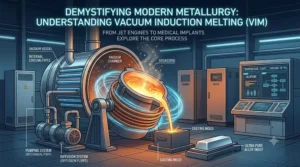
- التحكم في الغلاف الجوي: يمكن بسهولة دمج أفران الحث مع أنظمة التفريغ أو الغاز الواقي (مثل الأرجون أو النيتروجين) أنظمة لتشكيل أفران الحث الفراغي/الجو الواقي. وهذا أمر بالغ الأهمية لصهر الذهب والفضة عاليي النقاء أو سبائك المعادن الثمينة القابلة للأكسدة بسهولة.
- ورشة عمل بيئة: يؤدي غياب النيران وانبعاثات العادم الضخمة إلى تحسين بيئة التشغيل في المسبك بشكل كبير, تلبية معايير السلامة والبيئة العالية للمعادن الحديثة.
4. كفاءة استخدام الطاقة ووتيرة الإنتاج
في سلسلة صناعة إعادة تدوير المعادن الثمينة, معدل دوران رأس المال أمر بالغ الأهمية, المطالبة بأن تمتلك معدات المعالجة قدرات إنتاجية عالية الكفاءة.
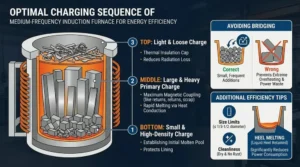
- تتمتع أفران الحث بمعدل تسخين سريع للغاية ووقت انصهار قصير من البداية الباردة.
- يمكنهم مطابقة السعة بمرونة وفقًا لحجم الإنتاج. على سبيل المثال, غالبًا ما تستخدم أفران الحث عالية التردد للدفعات الصغيرة, ذوبان سريع على مستوى الكيلوغرام, بينما أفران الحث متوسطة التردد مناسبة تمامًا للصب المستمر لعشرات إلى مئات الكيلوجرامات من سبائك الفضة والذهب, بكفاءة حرارية تتجاوز بكثير طرق الصهر التقليدية.
5. القدرة على التكيف بوتقة ممتازة
عادةً ما يستخدم صهر المعادن الثمينة الجرافيت عالي النقاء, كربيد السيليكون, أو بوتقات الكوارتز. تحت المجال المغناطيسي المتناوب للتحريض, يمكن لبوتقة الجرافيت نفسها أن تعمل كعنصر تسخين (التسخين بالحث غير المباشر). عند ذوبان مسحوق الذهب/الفضة الخالص أو الطين الذهبي (منتج وسيط في عملية إعادة التدوير), وهذا يوفر حرارة خفيفة وموحدة, منع المساحيق الخفيفة من أن تتطاير بواسطة التيارات الهوائية.
في ملخص, فرن الحث ليس مجرد أداة تسخين; فهو يدمج مزايا أربعة في واحد من أ مصدر الحرارة النقي, اثارة جسدية, التحكم الدقيق في درجة الحرارة, وكفاءة عالية في استخدام الطاقة. لصناعة تكرير وصب المعادن الثمينة, الذي يسعى “خسارة صفر ونقاء عالية,” وهي حاليًا معدات الصهر الوحيدة القادرة على تلبية جميع هذه المتطلبات الفنية الصارمة بشكل مثالي.