للمسابك الصناعية ومديري المعادن, لا ينبغي أن يعتمد تقييم اقتصاديات فرن الحث متوسط التردد على الاقتباس الأولي فقط. فوق المعدات 10 إلى 15 عامًا من عمر التصميم, الاستثمار الأولي عادة لا يمثل سوى غيض من فيض (حوالي 10%-15%), بينما تشكل تكاليف التشغيل والصيانة الجزء الأكبر من النفقات.
فيما يلي تفصيل كامل لتكلفة دورة الحياة (LCC) للتردد المتوسط فرن الحث, والتي يمكن أن تكون بمثابة إطار أساسي لوضع ميزانية المعدات أو تطوير المبادئ التوجيهية الفنية المهنية.
1. تكلفة الاستثمار الأولية (النفقات الرأسمالية)
يغطي هذا جميع النفقات لمرة واحدة المتكبدة قبل تشغيل المعدات.
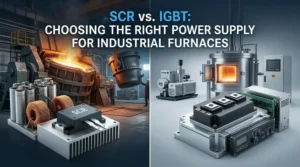
- شراء المعدات: يشمل جسم الفرن (قذيفة الصلب أو الألومنيوم), خزانة إمدادات الطاقة ذات التردد المتوسط (تقنية الثايرستور أو IGBT), بنك مكثف, نظام إمالة هيدروليكي, والكابلات المبردة بالمياه.
- دعم بنية تحتية: ترقيات وتعديلات لنظام مياه التبريد (برج التبريد المغلق, مضخات المياه, الخزانات), محولات, وأنظمة توزيع الطاقة ذات الجهد العالي/المنخفض.
- الهندسة المدنية & التكليف: صب أساسات المعدات, حفر الخندق, وضع خط الأنابيب في الموقع, بالإضافة إلى رسوم المورد لتوجيهات التثبيت في الموقع والتشغيل البارد/الساخن.
- تدريب الموظفين: تكاليف التدريب المهني لمشغلي المسابك وموظفي الصيانة الكهربائية.
2. تكاليف التشغيل اليومية (النفقات التشغيلية)
تغطي تكاليف التشغيل دورة حياة المعدات بأكملها, عادة المحاسبة 70% ل 80%+ من إجمالي LCC.
- استهلاك الطاقة (النواة المطلقة):
- ذوبان استهلاك الطاقة: يعكس بشكل مباشر كفاءة تحويل الطاقة للمعدات (أي., استهلاك الطاقة لكل طن من الفولاذ, تتراوح عادة بين 500-600 كيلووات ساعة/طن).
- عقد & استهلاك الطاقة المساعدة: فقدان الطاقة أثناء وضع الاستعداد, بالإضافة إلى استهلاك الطاقة على المدى الطويل للمعدات المساعدة مثل مضخات مياه التبريد والمضخات الهيدروليكية.
- مواد خام & خسارة الذوبان: معدل فقدان الأكسدة للشحنة أثناء ذوبان درجة الحرارة العالية. يمكن أن يؤدي تصميم المجال المغناطيسي الأفضل وقدرات التحكم في درجة الحرارة إلى تقليل فقدان ذوبان عناصر السبائك بشكل كبير, يمثل توفيرًا مخفيًا هائلاً في تكاليف التشغيل على المدى الطويل.
- استهلاك الوسائط المساعدة: سائل التجديد لمياه التبريد, المواد الكيميائية لمعالجة المياه (مكافحة التحجيم ومكافحة الصدأ), والاستهلاك المنتظم للزيت الهيدروليكي.
- تكاليف العمالة: أجور ومزايا مدير الفرن, مشغلي الشحن, مشغلي الرافعات, وموظفي التفتيش اليومي.
3. المواد الاستهلاكية & تكاليف الصيانة
يعد استبدال المواد وصيانتها بشكل منتظم أمرًا ضروريًا للحفاظ على تشغيل المعدات بكفاءة وأمان.
- مواد البطانة المقاومة للحرارة & إعادة التبطين:
- تكاليف شراء كتلة الصدم مثل رمل الكوارتز, المغنيسيا, أو البوكسيت.
- تكاليف العمالة لكل عملية استبدال بطانة, استهلاك أدوات الصدم, وتكاليف الوقت/الطاقة أثناء عملية الخبز/التلبيد.
- ارتداء أجزاء & قطع غيار:
- الاستبدال الدوري للكابلات المبردة بالمياه, خراطيم مطاطية, وحلقات الختم.
- معالجة العزل للملف التعريفي (الورنيش العازل, شريط الميكا) وإصلاحات الملف المحتملة.
- المكونات الإلكترونية الضعيفة في خزانة الطاقة (على سبيل المثال, الثايرستور التالفة, وحدات RC snubber, لوحات التحكم).
- رسوم الصيانة الوقائية: تكاليف المهام المجدولة التي يتم الاستعانة بمصادر خارجية أو داخلية مثل قياس درجة حرارة قضيب التوصيل, إزالة الترسبات/تنظيف الممرات المائية, وفحص النظام الهيدروليكي.
4. التوقف & التكاليف الخفية
غالبًا ما لا تكون هذه التكاليف بديهية في البيانات المالية ولكن لها تأثير كبير على ربحية المسبك.
- خسائر التوقف غير المخطط لها: توقف الإنتاج بسبب الأعطال المفاجئة في المعدات (على سبيل المثال, فرن تسرب الإنذار, نضوب إمدادات الطاقة). ولا يشمل ذلك أعمال الإصلاح الطارئة وتكاليف قطع الغيار العاجلة فحسب، بل يشمل أيضًا خرق عقوبات العقد بسبب تأخير التسليم وإهدار القدرة الخاملة.
- خردة & تكاليف الجودة: تكاليف إعادة صهر المسبوكات المرفوضة بسبب تركيب الحديد/الصلب دون المستوى المطلوب الناتج عن تقلبات طاقة المعدات, التحكم غير الدقيق في درجة الحرارة, أو قوة التحريك غير المتكافئة.
- أمان & البيئة تكاليف الامتثال: نفقات الامتثال طويلة الأجل لترقية أنظمة جمع الغبار, التحكم في الضوضاء, وتقييمات الصحة المهنية.
5. نهاية الحياة (موسوعة الحياة) & مرحلة التعافي
عادةً ما تولد تسوية التكلفة النهائية في نهاية دورة الحياة عائدًا إيجابيًا بسبب خصائص استرداد المواد.
- تفكيك & رسوم التخلص: تكاليف التفكيك والتخلص القانوني من مخلفات البطانات الحرارية (وقد يتم تصنيف بعضها على أنها نفايات صلبة صناعية تتطلب معالجة خاصة), خطوط الأنابيب الشيخوخة, والأساسات الخرسانية.
- استرداد القيمة المتبقية (إزاحة إيجابية):
- يحتوي الملف التعريفي على كمية كبيرة من النحاس عالي النقاء, والتي لها قيمة إعادة تدوير عالية للغاية.
- إيرادات استخلاص الفولاذ/النحاس الخردة من المكونات الهيكلية المعدنية مثل صفائح الفولاذ السيليكونية, أجسام فرن القشرة الفولاذية, والمحولات. عادة, يمكن لقيمة الاسترداد هذه أن تغطي تكاليف التفكيك بالكامل أو حتى تتجاوزها.
تحسين نصيحة لمديري المسبك: عند تقييم LCC, تجنب الوقوع في “سعر الشراء فقط” فخ. بالنسبة للمعدات ذات الاقتباس الأولي 15% أعلى, إذا كان يمكن أن تقلل “استهلاك الطاقة لكل طن من الفولاذ” بواسطة 5% من خلال خوارزمية أفضل للتحكم في الطاقة وإطالة عمر بطانة الفرن 20%, عادة ما يمكن استرداد فرق السعر في الداخل 6 ل 12 أشهر من العملية, توليد صافي الربح بشكل مستمر على مدى السنوات الاثنتي عشرة اللاحقة.