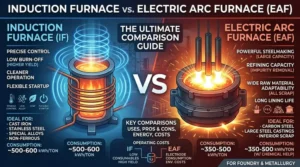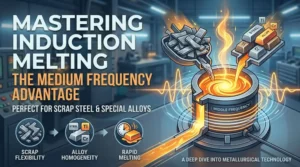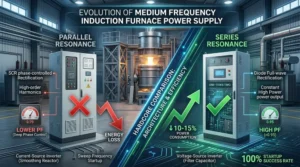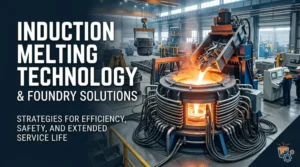
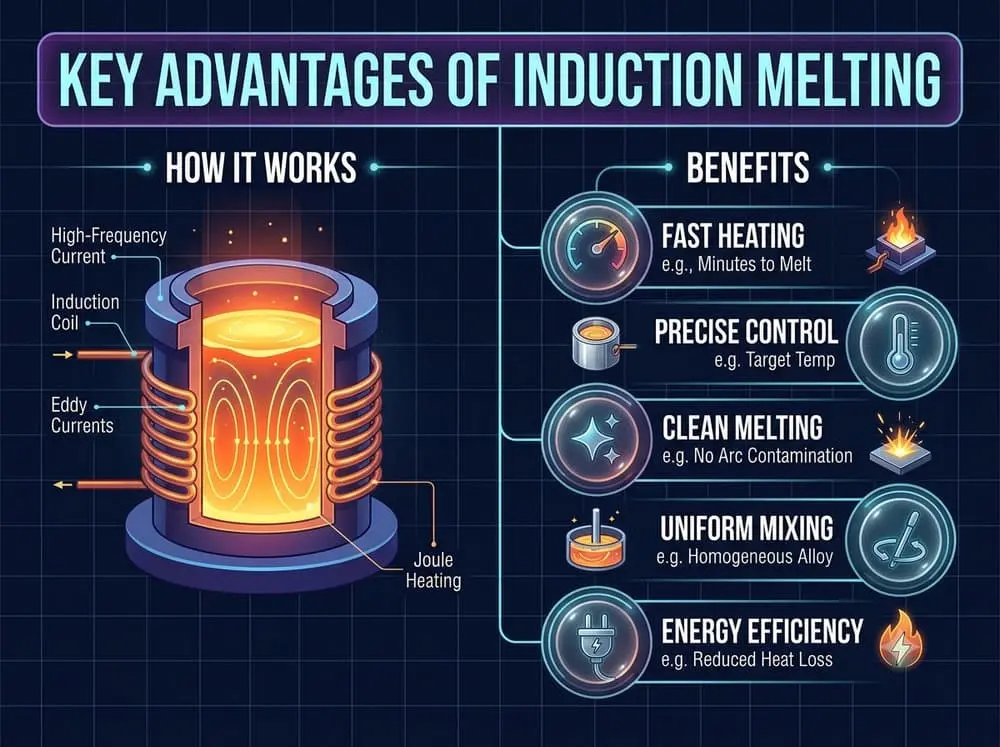
يمكن لأفران الحث أن تذيب جميع المعادن والسبائك الموصلة للكهرباء تقريبًا. وهي تعمل باستخدام الحث الكهرومغناطيسي لتوليد تيارات إيدي داخل المعدن, الاعتماد على المقاومة الكهربائية للمعدن للحرارة وتحقيقها بسرعة, ذوبان موحد.
على أساس الخصائص الفيزيائية والتطبيقات الصناعية, أفران التعريفي تستخدم في المقام الأول لصهر الفئات الرئيسية التالية من المعادن.
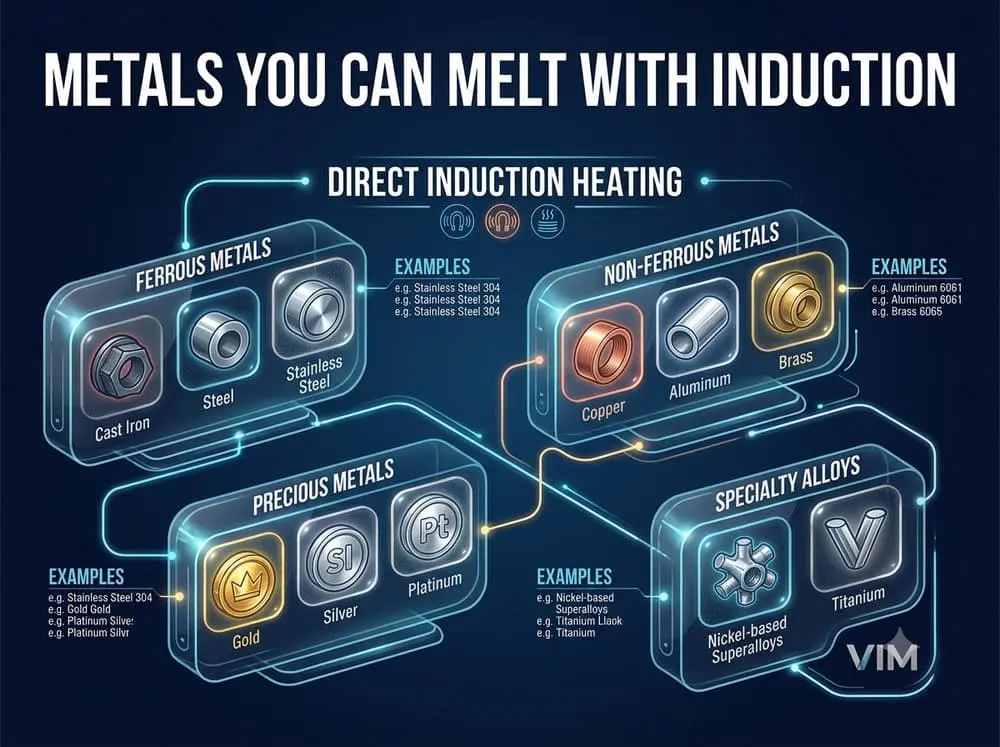
1. المعادن الحديدية
الحديد الزهر: يستخدم على نطاق واسع لصهر وعقد الحديد الرمادي والحديد المرن - وهو أحد التطبيقات الأكثر شيوعًا في المسابك.
الكربون الصلب & سبائك الصلب: توفر أفران الحث تحكمًا دقيقًا في درجة الحرارة وتكوينًا موحدًا للسبائك, مما يجعلها مثالية لصهر الفولاذ المتخصص عالي الجودة.
الفولاذ المقاوم للصدأ: لأن الصهر التعريفي لا يستخدم القوس الكهربائي, يمنع التقاط الكربون, مما يجعلها مناسبة للفولاذ المقاوم للصدأ مع متطلبات صارمة منخفضة الكربون.
2. المعادن غير الحديدية
نحاس & سبائك النحاس: يشمل النحاس النقي, النحاس, البرونز, إلخ. يضمن التحريك الكهرومغناطيسي داخل الفرن تركيبًا كيميائيًا موحدًا.
الألومنيوم & سبائك الألومنيوم: على الرغم من الموصلية الحرارية العالية للألمنيوم ونقطة الانصهار المنخفضة, أفران التعريفي (عادة التردد المتوسط أو التردد الرئيسي) تستخدم على نطاق واسع في الذوبان السريع وإعادة تدوير الخردة.
الزنك, يقود, & القصدير: يمكن صهر هذه المعادن ذات نقطة الانصهار المنخفضة بكفاءة عالية بشكل استثنائي.
3. المعادن الثمينة
ذهب, فضي, البلاتين, & البلاديوم: تعتبر أفران الحث المدمجة عالية التردد أو متوسطة التردد قياسية في صناعة المجوهرات, مختبر ر&د, والتكرير. أنها توفر التحكم الدقيق في درجة الحرارة, التقليل من الأكسدة والخسائر المتطايرة للمعادن باهظة الثمن.
4. المعادن الخاصة & السبائك الفائقة
على أساس النيكل & السبائك الفائقة القائمة على الكوبالت: يشيع استخدامها لمكونات محركات الطيران والمعدات الصناعية الدقيقة.
التيتانيوم & سبائك التيتانيوم: شديد التفاعل مع الأكسجين والنيتروجين عند درجات حرارة عالية, يجب أن يتم تنفيذ ذوبان التيتانيوم في ذوبان تحريض الفراغ (همة) فرن.
ملحوظة: مباشر يتطلب التسخين التعريفي أن تكون المادة موصلة للكهرباء. لإذابة المواد غير الموصلة (مثل الزجاج المتخصص, السيراميك, أو البوليمرات), ان التدفئة غير المباشرة يتم استخدام النهج: بوتقة موصلة (مثل بوتقة الجرافيت) يتم تسخينه بواسطة الملف التعريفي, والتي تقوم بعد ذلك بنقل الحرارة إلى الشحنة غير الموصلة بالداخل.