বর্ষাকাল, চরম আর্দ্রতা এবং সম্ভাব্য বন্যা দ্বারা চিহ্নিত করা হয়, ইন্ডাকশন ফার্নেস অপারেশনের জন্য একটি গুরুত্বপূর্ণ সময়. উচ্চ-ভোল্টেজ বৈদ্যুতিক সিস্টেমগুলি আর্দ্রতার জন্য ব্যতিক্রমী সংবেদনশীল. যদি ভুল করা হয়, স্যাঁতসেঁতে নিরোধক ভাঙ্গন হতে পারে, arcing, বা এমনকি সম্পূর্ণ কুণ্ডলী ব্যর্থতা.
স্যাঁতসেঁতে ইন্ডাকশন কয়েল সনাক্তকরণ এবং শুকানোর জন্য নীচে একটি জরুরি নির্দেশিকা রয়েছে, পিট তারের, এবং বাসবার.
আমি. নিরোধক স্তরের যথার্থ পরীক্ষা
চরম আবহাওয়ার সময়, চাক্ষুষ পরিদর্শন অপর্যাপ্ত; ডেটা মূল্যায়ন চালাতে হবে.
- মেগার টেস্টিং (অন্তরণ প্রতিরোধের):
- কয়েল-টু-গ্রাউন্ড ইনসুলেশন: ব্যবহার a 2500ভি ইন্ডাকশন কয়েল এবং ফার্নেস ফ্রেম/গ্রাউন্ডের মধ্যে অন্তরণ পরিমাপ করতে মেগোহমিটার. পড়া আদর্শভাবে উপরে হতে হবে 10MΩ. যদি নিচে পড়ে যায় 0.5MΩ, সরঞ্জাম পাওয়ার আপ কঠোরভাবে নিষিদ্ধ করা হয়.
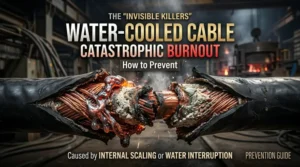
- জল-ঠান্ডা তারের পরিদর্শন: জলের ছিদ্র বা ঘনীভবনের জন্য তারের রাবারের হাতা পরীক্ষা করুন. যেহেতু এই তারগুলি প্রায়ই গর্তের নীচে অবস্থিত, নিমজ্জিত তারের মাথা বৈদ্যুতিক ভাঙ্গনের প্রাথমিক কারণ.
- লিকেজ কারেন্ট মনিটরিং:
- পাওয়ার সাপ্লাই ক্যাবিনেটে লিকেজ কারেন্ট মিটার ঘনিষ্ঠভাবে পর্যবেক্ষণ করুন. অস্বাভাবিক উত্থান (এর চেয়ে বেশি 20% বেসলাইনের উপরে) একটি খালি চুল্লি অবস্থায় ইঙ্গিত করে যে নিরোধক স্তরটি স্যাঁতসেঁতে বা শীতল জলের পরিবাহিতা খুব বেশি.
Ii. স্যাঁতসেঁতে উপাদানগুলির জন্য জরুরী শুকানোর প্রোটোকল
যদি নিরোধক প্রতিরোধ ক্ষমতা কম পাওয়া যায়, জোরপূর্বক শুকানোর অবিলম্বে বাস্তবায়ন করা আবশ্যক.
দ্য “অভ্যন্তরীণ তাপ & বাহ্যিক বেক” কয়েলের জন্য পদ্ধতি
- ইনফ্রারেড ল্যাম্প & শিল্প Dehumidifiers: ফার্নেস শেলের ভিতরে এবং চারপাশে উচ্চ-ক্ষমতার ইনফ্রারেড হিটিং ল্যাম্প রাখুন, জন্য ক্রমাগত বেকিং 12-24 ঘন্টা. একই সাথে, বায়ু থেকে আর্দ্রতা ছিন্ন করার জন্য ওয়ার্কশপে শিল্প-গ্রেড ডিহিউমিডিফায়ার স্থাপন করুন.
- লো-ভোল্টেজ কারেন্ট স্ব-হিটিং:
- শীতল জল সঞ্চালন স্বাভাবিক প্রদান, পাওয়ার ক্যাবিনেট থেকে খুব কম ভোল্টেজ আউটপুট করুন (সাধারণত 10%-20% অপারেটিং ভোল্টেজের). এটি ভিতর থেকে আর্দ্রতা বের করতে কুণ্ডলী দ্বারা উত্পন্ন জুল তাপ ব্যবহার করে.
- দ্রষ্টব্য: স্থানীয়ভাবে জল জমে সৃষ্ট শর্ট সার্কিট প্রতিরোধ করার জন্য এই অপারেশনের জন্য ফুটো কারেন্টের ধ্রুবক তত্ত্বাবধান প্রয়োজন.
পিট এবং তারের নিষ্কাশন & শুকানো
- জোরপূর্বক বায়ুচলাচল: গর্ত আর্দ্রতার জন্য প্রাকৃতিক ফাঁদ. গর্ত থেকে জোর করে বায়ু নিষ্কাশন করতে উচ্চ-শক্তি ব্লোয়ার ব্যবহার করুন, অচলের পকেট ভাঙ্গা, আর্দ্র বাতাস.
- ডেসিক্যান্ট স্থাপনা: দ্রুত লাইম ছড়িয়ে দিন (ক্যালসিয়াম অক্সাইড) শারীরিকভাবে আর্দ্রতা শোষণ করতে কেবল পিটের অ-যোগাযোগ এলাকায় শিল্প সিলিকা জেল.
- অন্তরণ বার্নিশ শক্তিবৃদ্ধি: তারের জয়েন্ট বা অন্তরক পিলার শুকানোর পরে, এর একটি স্তর প্রয়োগ করুন অ্যান্টি-আর্ক অন্তরক বার্নিশ পৃষ্ঠের আর্দ্রতা প্রতিরোধ ক্ষমতা বাড়াতে.
Iii. বর্ষা ঋতু জরুরী প্রতিরোধ চেকলিস্ট
ঝুঁকি কমাতে, কর্মশালার নিম্নলিখিত ব্যবস্থাপনা প্রোটোকল বাস্তবায়ন করা উচিত:
| মাত্রা | কী অ্যাকশন |
| পিট ম্যানেজমেন্ট | ড্রেনেজ পাম্পগুলি কাজ করছে কিনা তা যাচাই করুন; ব্যাকফ্লো রোধ করতে নর্দমা থেকে পলি পরিষ্কার করুন. |
| ক্যাবিনেট সিলিং | পাওয়ার ক্যাবিনেটের দরজার সিলগুলি পরীক্ষা করুন; কন্ট্রোল বোর্ডের ভিতরে সিলিকা জেল ডেসিক্যান্ট রাখুন. |
| প্রোটোকল রিস্টার্ট করুন | জন্য সরঞ্জাম নিষ্ক্রিয় জন্য >24 ঘন্টা, স্টার্টআপের আগে অবশ্যই ইনসুলেশন পুনরায় পরীক্ষা করতে হবে. না “এক-কী শুরু হয়।” |
| পানি ব্যবস্থাপনা | এড়াতে ঠান্ডা জলের তাপমাত্রা নিয়ন্ত্রণ করুন “শিশির বিন্দু প্রভাব” কুণ্ডলী পৃষ্ঠের উপর. |
IV. হঠাৎ Arcing পরে পদ্ধতি
যদি “পপিং” স্রাব শব্দ ঘটতে বা ফুটো বর্তমান spikes উত্পাদন সময়:
- অবিলম্বে জরুরী স্টপ: উচ্চ-ভোল্টেজ পাওয়ার বন্ধ করুন কিন্তু ঠান্ডা জল সঞ্চালন রাখুন.
- ডিসচার্জ পয়েন্ট সনাক্ত করুন: ইনসুলেটর পৃষ্ঠের কার্বনাইজড কালো দাগ বা ফ্ল্যাশওভার চিহ্নের জন্য কয়েল অবাধ্য পরিদর্শন করুন.
- পুঙ্খানুপুঙ্খ পরিচ্ছন্নতা: কার্বনাইজড এলাকা মুছে ফেলার জন্য অ্যানহাইড্রাস অ্যালকোহল ব্যবহার করুন, তারপর ইনসুলেশন প্রতিরোধের স্বাভাবিক অবস্থায় ফিরে না আসা পর্যন্ত স্থানীয় শুকানো এবং বার্নিশ মেরামত করুন.
চরম আবহাওয়ায়, খরচ প্রতিরোধমূলক পরীক্ষা এর খরচের তুলনায় অনেক কম দুর্যোগ পরবর্তী পুনর্গঠন. সরঞ্জামগুলিকে শুকনো রাখা কেবল একটি প্রযুক্তিগত প্রয়োজনীয়তা নয় - এটি উত্পাদন সুরক্ষার জন্য বেসলাইন.