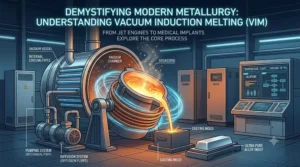
খাঁটি তামার গলে (প্রায়ই বলা হয় “লাল তামা”) একটি আনয়ন চুল্লি মধ্যে, পরিচালনা গ্যাস শোষণ এবং জারণ উচ্চ বৈদ্যুতিক পরিবাহিতা এবং ঘনত্ব নিশ্চিত করার জন্য চূড়ান্ত চ্যালেঞ্জ, ত্রুটিমুক্ত মাইক্রোস্ট্রাকচার. যেহেতু তরল তামা a এর মতো কাজ করে “চুম্বক” হাইড্রোজেনের জন্য (H₂) এবং অক্সিজেন (O₂), অনুপযুক্ত কৌশল porosity বা কুখ্যাত বাড়ে “হাইড্রোজেন অসুস্থতা।”
এখানে চারকোল আবরণ এবং ফসফর-তামা ডিঅক্সিডেশন কৌশলগুলির প্রযুক্তিগত ভাঙ্গন রয়েছে যা আবেশন গলানোর জন্য অপ্টিমাইজ করা হয়েছে.
1. গ্যাস শোষণের প্রক্রিয়া
একটি আনয়ন চুল্লি মধ্যে, তামার উচ্চ তাপমাত্রা এবং তরল অবস্থা একটি তৈরি করে “স্পঞ্জ প্রভাব”:
- হাইড্রোজেন (এইচ): প্রাথমিকভাবে চার্জে আর্দ্রতা থেকে উৎসারিত, তেল/গ্রীস, বা বাতাসে জলীয় বাষ্প.
- অক্সিজেন (ও): বায়ুমণ্ডলের সাথে সরাসরি যোগাযোগ থেকে উৎস.
- সমস্যা: যেমন তামা শক্ত হয়ে যায়, হাইড্রোজেন এবং অক্সিজেন বিক্রিয়া করে বাষ্প তৈরি করে:
- 2এইচ + [ও] ⇋ H₂O↑
- এই আটকে পড়া বাষ্পের ফলে মাইক্রোস্কোপিক বা ম্যাক্রোস্কোপিক ব্লোহোল হয়, যা উপাদানটির পরিবাহিতা এবং যান্ত্রিক অখণ্ডতাকে ব্যাপকভাবে হ্রাস করে.
2. কাঠকয়লা আচ্ছাদন: দৈহিক & রাসায়নিক ঢাল
আনয়ন চুল্লি শক্তিশালী উত্পন্ন ইলেক্ট্রোম্যাগনেটিক আলোড়ন, যার ফলে তরল পৃষ্ঠ উত্তল হয়ে যায়, বায়ু সংস্পর্শে পৃষ্ঠ এলাকা বৃদ্ধি. কাঠকয়লা একটি গুরুত্বপূর্ণ বাধা হিসাবে কাজ করে.
মূল কৌশল:
- প্রি-বেকড হতে হবে: কখনই যোগ করবেন না “ঠান্ডা” কাঠকয়লা. ওভারে বেক করতে হবে 200° সে আর্দ্রতা অপসারণ করতে. স্যাঁতসেঁতে কাঠকয়লা যোগ করা অপরিহার্য “ইনজেকশন” হাইড্রোজেন সরাসরি আপনার গলে যায়.
- সময় & পুরুত্ব: চার্জ গলতে শুরু করার সাথে সাথে কভারটি লাগান. একটি স্তর বেধ বজায় রাখুন 30-50 মিমি যাতে কোন তরল তামা দৃশ্যমান না হয়.
- বায়ুমণ্ডল হ্রাস করা: উচ্চ তাপমাত্রায়, কাঠকয়লা অক্সিজেনের সাথে বিক্রিয়া করে কার্বন মনোক্সাইড তৈরি করে (কো), একটি প্রতিরক্ষামূলক হ্রাস তৈরি করা “কম্বল”:
- 2গ + O₂ → 2CO
3. ফসফর-কপার ডিঅক্সিডেশন: গভীর পরিশোধন
এমনকি কাঠকয়লা দিয়েও, কিছু Cu₂O অনিবার্যভাবে গঠন করবে. ফসফর-তামা (সাধারণত ~14% ফসফরাস থাকে) খাঁটি তামা গভীর ডিঅক্সিডেশন জন্য শিল্প মান.
অপারেশনাল প্রয়োজনীয়তা:
- প্রতিক্রিয়া: তামার তুলনায় ফসফরাসের অক্সিজেনের সাথে অনেক বেশি সম্পর্ক রয়েছে. এটি ফসফরাস পেন্টক্সাইড গঠন করে (P₂O₅), যা হয় গ্যাস হয়ে পালিয়ে যায় বা স্ল্যাগে উঠে যায়.
- 5Cu₂O + 2P → P₂O₅↑ + 10কিউ
- ডোজ নিয়ন্ত্রণ:
- নিয়ম: আপনি অক্সিজেন অপসারণ করতে যথেষ্ট চান, কিন্তু ক “অবশিষ্ট ফসফরাস” যে স্তরটি খুব বেশি তা তীব্রভাবে বৈদ্যুতিক পরিবাহিতা হ্রাস করবে.
- স্ট্যান্ডার্ড পরিমাণ: সাধারণত 0.1% - 0.2% মোট গলিত ওজনের.
- দ্য “নিমজ্জিত” পদ্ধতি:
- ভগ্নাংশ সংযোজন: যোগ করুন 1/3 প্রাক-ডিঅক্সিডেশনের জন্য গলে যাওয়া প্রক্রিয়ার সময় এবং অবশিষ্ট 2/3 ঢালা ঠিক আগে.
- একটি বেল জার ব্যবহার করুন: পৃষ্ঠের উপর কেবল ফসফর-তামা ছুড়বেন না; এটি বাষ্প হয়ে নষ্ট হয়ে যাবে. একটি গ্রাফাইট বেল জার ব্যবহার করুন (নিমজ্জনকারী) ফসফর-কপারকে ক্রুসিবলের নীচে ঠেলে দিয়ে আস্তে আস্তে নাড়ুন.
4. ইন্ডাকশন গলানোর জন্য উন্নত টিপস
তাপমাত্রা ব্যবস্থাপনা
ইন্ডাকশন ফার্নেস দ্রুত গরম হয়. এর মধ্যে আপনার গলানোর তাপমাত্রা রাখুন 1150°C এবং 1200°C. গলনাঙ্কের বাইরে প্রতি 100°C বৃদ্ধির জন্য, তামার হাইড্রোজেন শোষণ ক্ষমতা দ্রুত বৃদ্ধি পায়.
চার্জ পরিচ্ছন্নতা
আনয়ন চুল্লি ভারী পরিশোধনের জন্য ডিজাইন করা হয় না. আপনার উপকরণ নিশ্চিত করুন:
- স্ক্র্যাপ/রিটার্নস: সম্পূর্ণ তেল মুক্ত, ইমালসন, বা ভারী অক্সাইড স্কেল.
- অবাধ্যতা: তাপ শুরু করার আগে গ্রাফাইট ক্রুসিবল বা ফার্নেসের আস্তরণ হাড়-শুকনো নিশ্চিত করুন.
মিথুন প্রো-টিপ:
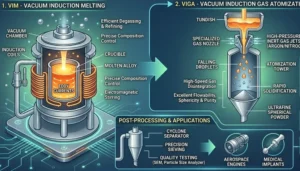
আপনার আবেদন চরম পরিবাহিতা প্রয়োজন হলে (যেমন, >100% আইএসিএস), ব্যবহার বিবেচনা করুন বিরল আর্থ ডিঅক্সিডেন্ট (ল্যান্থানাম বা সেরিয়ামের মতো) ফসফর-তামার সাথে একত্রে, অথবা সরান ভ্যাকুয়াম ইন্ডাকশন গলে (ভিম) উৎসে গ্যাসের সমস্যা দূর করতে.