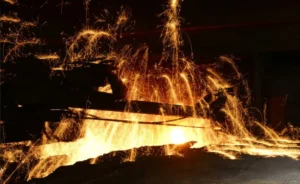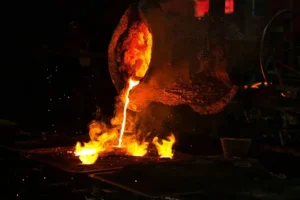
ফাউন্ড্রি উত্পাদন, যদিও স্ল্যাগ জমাট বাঁধা (অথবা স্ল্যাগ রিমুভার) উপাদান খরচ একটি ছোট শতাংশ আপ করুন, ঢালাই গুণমান এবং স্ক্র্যাপের হারের উপর তাদের প্রভাব নিষ্পত্তিমূলক. অনেক কারখানা ব্যবহারের মধ্যে দ্বিধা “প্রাকৃতিক পার্লাইট” এবং “উচ্চ-দক্ষ কম্পোজিট এজেন্ট”: আপনি পার্লাইট সঙ্গে টাকা সঞ্চয় করা উচিত, অথবা কম্পোজিট সংস্করণে বিনিয়োগ করুন?
নীচে একটি বিস্তারিত আছে “মাথা থেকে মাথা” কর্মক্ষমতা পর্যালোচনা.
গোলাকার 1: মূল কর্মক্ষমতা যুদ্ধ (সম্প্রসারণ, অন্তরণ, বাঁধাই)
আমরা তিনটি সমালোচনামূলক মাত্রা জুড়ে দুই প্রতিযোগীর তুলনা করি:
| পর্যালোচনা মাত্রা | প্রতিযোগী এ: প্রাকৃতিক পার্লাইট | প্রতিযোগী বি: কম্পোজিট স্ল্যাগ কোগুল্যান্ট | বিজয়ী |
| 1. সম্প্রসারণ | চরম (4-20x). উত্তপ্ত হলে পপকর্নের মতো দ্রুত প্রসারিত হয়, গলিত লোহার পৃষ্ঠকে ঢেকে রাখার জন্য বড় আয়তন তৈরি করে. যাহোক, এর হালকা ওজনের কারণে, এটি ধুলো উৎপন্ন করে এবং বায়ুচলাচল ব্যবস্থা দ্বারা সহজেই চুষে যায়. | পরিমিত & নিয়ন্ত্রিত. একটি সর্বোত্তম সীমার মধ্যে সম্প্রসারণ রাখতে সূত্রগুলিকে সামঞ্জস্য করা হয়৷. ঘনত্ব বজায় রাখার সময় এটি ভালভাবে কভার করে, বায়ুবাহিত ধূলিকণা হ্রাস করা এবং উপাদানের ব্যবহার উন্নত করা. | আঁকা (পার্লাইট বড়, কম্পোজিট আরও স্থিতিশীল) |
| 2. অন্তরণ | দুর্দান্ত. সম্প্রসারিত মধুচক্র কাঠামো ব্যবহার করে (ফাঁদ বাতাস) তাপ বিকিরণ ব্লক করতে. | সুপিরিয়র. যৌগিক প্রকারে প্রায়ই ফ্লাক্স বা বাইন্ডার থাকে যা একটি ঘন গঠন করে “আধা-গলিত শেল” পৃষ্ঠের উপর, গলিত লোহাকে একটি ভারী কম্বলের মতো সিল করা যাতে ফাঁকের মধ্য দিয়ে তাপের ক্ষতি রোধ করা যায়. | কম্পোজিট এজেন্ট 🏆 |
| 3. বাঁধাই | দরিদ্র. মূলত শারীরিক শোষণের উপর নির্ভর করে. স্ল্যাগ স্তরটি আলগা এবং দানাদার থাকে. স্কিমিং করার সময়, স্ল্যাগ প্রায়ই “বিচ্ছিন্ন হয়ে পড়ে,” ছোট স্ল্যাগ কণা রেকের মধ্য দিয়ে লোহার মধ্যে ফিরে যেতে দেয়. | শক্তিশালী. উত্তপ্ত হলে মাইক্রো-গলিত হয়, বন্ধন একটি সম্পূর্ণ মধ্যে বিক্ষিপ্ত ধাতুপট্টাবৃত “চামড়া” বা “কেক” এটা এক টুকরা বন্ধ উত্তোলন করা যেতে পারে, খুব পুঙ্খানুপুঙ্খ পরিচ্ছন্নতার নিশ্চিত করা. | কম্পোজিট এজেন্ট 🏆 |
দ্রষ্টব্য: এর মাইক্রোস্কোপিক গঠন পার্লাইট সম্প্রসারণের পরে ছিদ্র পূর্ণ হয়. এটি এর নিরোধকের গোপনীয়তা, কিন্তু এর কম শক্তি এবং ভঙ্গুরতার কারণও.
গোলাকার 1 সংক্ষিপ্তসার
- পার্লাইট: জিতবে প্রাথমিক মূল্য. যদি আপনার ঢালাইয়ের স্ল্যাগ অন্তর্ভুক্তির জন্য কম প্রয়োজনীয়তা থাকে, অথবা যদি শুধুমাত্র সাধারণ ল্যাডেল কভারিং/ইনসুলেশনের জন্য ব্যবহার করা হয়, এটি একটি বাজেট-বান্ধব পছন্দ.
- কম্পোজিট এজেন্ট: জিতবে দক্ষতা এবং পরিচ্ছন্নতা. যদিও ইউনিটের দাম বেশি, তার ক্ষমতা “ফিল্ম এবং কেক” স্কিমিং সময় এবং ধাতব ক্ষতি হ্রাস করে. যখন স্ক্র্যাপ হার হ্রাস ফ্যাক্টরিং, এর প্রকৃত আরওআই (বিনিয়োগ উপর ফিরে) প্রায়ই পার্লাইটের চেয়ে বেশি.
গোলাকার 2: গভীর ডুব - The “অদৃশ্য হত্যাকারী” নিম্নমানের এজেন্টদের আচরণ
কেন কিছু স্ল্যাগ জমাট ধাতুপট্টাবৃত করা কঠিন অপসারণ করতে, অথবা স্ক্র্যাপের হার বৃদ্ধি পেতে পারে? এটি সাধারণত নিম্নমানের পণ্য ব্যবহার বা অনুপযুক্ত ফর্মুলেশনের কারণে হয়.
1. কেন স্ল্যাগ হয়ে যায় “ঠান্ডা করার পরে অপসারণ করা কঠিন”?
এটি সাধারণত নিয়ন্ত্রণে ব্যর্থতা গলনাঙ্ক এবং সান্দ্রতা এজেন্ট.
- অত্যধিক জ্বলন্ত & ওয়াল স্টিকিং: যদি একটি নিকৃষ্ট এজেন্টের গলনাঙ্ক খুব কম হয়, এটি একটি তরলে পরিণত হয় (বরং একটি সান্দ্র আধা কঠিন) উচ্চ-তাপমাত্রা লোহার সংস্পর্শে. এই তরল স্ল্যাগ আঠার মতো কাজ করে, চুল্লি বা মই দেয়ালে লেগে থাকা. ঠান্ডা হলে, এটি অবাধ্য আস্তরণের উপর সিমেন্টের মত শক্ত হয়ে যায়, পরিষ্কার করা প্রায় অসম্ভব হয়ে উঠছে এবং আস্তরণের সম্ভাব্য ক্ষতি করছে.
- সমষ্টিতে ব্যর্থতা: বিপরীতভাবে, যদি গলনাঙ্ক খুব বেশি হয় বা বাঁধাই উপাদানের অভাব থাকে, এজেন্ট আলগা বালি মত কাজ করে. স্কিমিংয়ের সময়, স্ল্যাগ স্তরের সমন্বয়ের অভাব রয়েছে. রেকের একটি টান স্ল্যাগকে ছড়িয়ে দেয়, ছাঁচে প্রবেশের অশুদ্ধ স্কিমিং এবং অবশিষ্ট জরিমানা নেতৃস্থানীয়.
দ্রষ্টব্য: একটি উচ্চ মানের যৌগিক এজেন্ট একটি গঠন করা উচিত “ভূত্বক” বা “কেক” ভাসমান উপরে দেখানো হিসাবে স্তর, এক-ধাপে স্কিমিংয়ের জন্য ভাল সততা থাকা.
2. কেন এটা ঘটায় “স্ল্যাগ বিনোদন” (আয়রন মধ্যে অন্তর্ভুক্তি)?
এটি সবচেয়ে বিপজ্জনক দৃশ্যকল্প, যেখানে নিকৃষ্ট এজেন্টরা স্ল্যাগ ত্রুটির সহযোগী হয়ে ওঠে:
- প্রতিক্রিয়াশীলপোরোসিটি: কিছু নিম্নমানের পণ্যে অতিরিক্ত আর্দ্রতা বা অমেধ্য থাকে (যেমন, ক্যালসিয়াম কার্বোনেট যা পচে গ্যাস ছেড়ে দেয়). গলিত লোহাতে গড়িয়ে গেলে, অমেধ্য শোষণের পরিবর্তে, তারা সহিংস প্রতিক্রিয়া, বুদবুদ তৈরি করা যা ধাতুকে উত্তেজিত করে এবং ভাসমান স্ল্যাগকে আবার গলিয়ে নিচে টেনে নেয়.
- “জাল” জমাট বাঁধা: নিকৃষ্ট এজেন্ট দেখতে পারে যে তারা পৃষ্ঠকে আচ্ছাদন করছে, কিন্তু তাদের প্রকৃত শোষণ ক্ষমতার অভাব রয়েছে (অনুপযুক্ত ভেজা কোণ). ক্ষুদ্র অক্সাইড অন্তর্ভুক্তি নয় “ধরা” এজেন্ট দ্বারা কিন্তু সাব-সারফেস লেয়ারে সাসপেন্ড থাকে. যখন আপনি ঢেলে দেন- ভাবছেন স্ল্যাগ চলে গেছে- এই অদৃশ্য খুনিরা কাস্টিংয়ে প্রবাহিত হয়.
দ্রষ্টব্য: সাধারণ স্ল্যাগ অন্তর্ভুক্তি ত্রুটি. একটি মাইক্রোস্কোপ অধীনে, এই অন্তর্ভুক্তিগুলি প্রায়শই অক্সাইডে মোড়ানো পাওয়া যায় যা কার্যকরভাবে অপসারণ করা হয়নি.
চূড়ান্ত রায় & সুপারিশ
যিনি কস্ট-পারফরমেন্সের রাজা?
- সাধারণ ধূসর লোহার জন্য (ম্যানহোল কভার, কাউন্টারওয়েটস):পার্লাইট রাজা. খরচ কম, এবং কর্মক্ষমতা যথেষ্ট.
- নমনীয় আয়রনের জন্য, অটো পার্টস, & নির্ভুলতা কাস্টিং:কম্পোজিট স্ল্যাগ কোগুল্যান্ট পরম মান রাজা হয়. এটা উল্লেখযোগ্যভাবে স্ক্র্যাপ হার হ্রাস (স্ল্যাগ নমনীয় লোহার শত্রু) এবং ধাতু ক্ষতি. একটি একক স্ক্র্যাপড ঢালাইয়ের খরচের তুলনায় এজেন্টের ছোট দামের পার্থক্য নগণ্য.