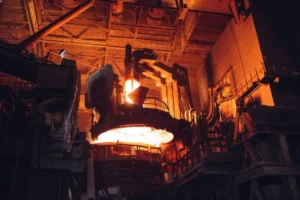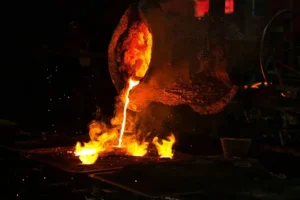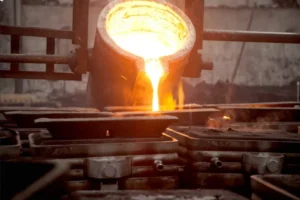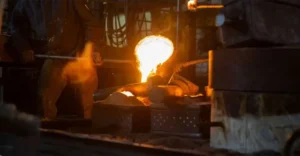
В автомобильной промышленности, литье блоков двигателей (обычно ХТ250/ГДЖЛ-2550 или ХТ300/ГДЖЛ-300 сорт Серый чугун) представляет собой “высокоточный” сектор. Соответствие высокоскоростным требованиям автоматизированных формовочных линий (например DISAMATIC или HWS), тот основной конфликт заключается в том, как устранить колебания, вызванные “периодическое плавление” характер индукционных печей и обеспечивают подачу расплавленного чугуна, максимально “непрерывный и стабильный” как у доменной печи или вагранки.
я. Чрезвычайный контроль постоянства состава и температуры
В массовом производстве, мельчайшие различия в каждой партии расплавленного железа могут привести к неравномерной твердости., трудности обработки, или усадочная пористость в отливках. Ключ к контролю – трансформация “переменные” в “константы.”
1. Усовершенствованное управление зарядами (Управление источником)
Индукционные печи работают по принципу “мусор в, выбросить мусор” и им не хватает металлургических реакционных возможностей вагранок.. Поэтому, управление зарядами — краеугольный камень стабильности.
- Контроль чистоты: Автомобильные отливки чувствительны к газовой пористости.. Масло, влага, и ржавчина на стальном ломе должна строго контролироваться.. Для тюков, необходимо контролировать плотность и внутренние включения.
- Пакетирование Точность: Для обеспечения ошибок в соотношении чугуна необходимо использовать автоматические системы дозирования., Возврат, и стальной лом контролируются в ± 1%.
- Отслеживание микроэлементов: Серый чугун чрезвычайно чувствителен к микроэлементам. (например, Из, Пб, Ал). Необходимо создать архив поставщиков микроэлементов, чтобы избежать эффектов накопления, ухудшающих морфологию графита..
2. “пятка тает” и процессуальная дисциплина
Для поддержания единообразия в непрерывных партиях, печь никогда не должна быть полностью опорожнена.
- Операция плавления пятки: Всегда поддерживать 30%~50% жидкое железо (каблук) в печи.
- Функция: Сокращает время плавления следующей партии и, Что еще более важно, использует старое расплавленное железо в качестве Буфер существенно разбавить колебания состава нового заряда.
- Полная мощность & Быстрое отопление: Если серый чугун слишком долго находится в зоне высоких температур, ядра нуклеации (Ядра) растворится/исчезнет, что приводит к повышенной склонности к ознобу. Стратегия: Расплавить с высокой мощностью, нажмите сразу после достижения температуры, и категорически запрещаем долго держать утюг.
3. Регулирование температуры с обратной связью
- Цель Точность: Диапазон температур заливки обычно чрезвычайно узок. (например, 1420°С ± 10 °С).
- Компенсация температуры крана: Учет перепада температуры в перегрузочном ковше (обычно 30–50°C), температура выпуска печи должна регулироваться с помощью алгоритма динамической компенсации на основе расстояния передачи и состояния ковша (Холодный ковш против. Горячий ковш).
II. Схемы комплектации автоматических формовочных линий: двусторонняя печать & Мультисистемы
Автоматизированные формовочные линии (например, вертикальные линии разделения) характеризуются постоянный и высокоскоростной расход железа (например, 300-500 формы/час). Одна индукционная печь не может одновременно удовлетворить потребности плавильного производства. (Пакетный процесс) и заливка (Непрерывный процесс).
1. Основная концепция: Разделение плавления и выдержки
Разделение “плавление” функция от “Поставка” Функция является ключом к достижению непрерывного потока.
2. Типичные схемы конфигурации
А. “Один к двум” или “Мульти-поставка-один” двусторонняя печать
Это самая распространенная высокоэффективная конфигурация..
- Режим: Несколько мощных сетей или средней частоты Плавильные печи + 1 большая емкость Печь для выдержки/разливки.
- Рабочий процесс:
- Плавильная печь плавится на полной скорости и корректирует состав.
- Чугун заливают в передаточный ковш.
- Железо заливают в большую разогревающую печь. (например, а 10-20 Индукционная печь с тоннельным каналом или печь для заливки под давлением).
- Преимущества:
- Гомогенизация: Раздаточная печь действует как массивная “смесительный бассейн.” Даже если между партиями плавки есть небольшие колебания содержания углерода/кремния., они выравниваются при входе в большой бассейн, выдача чрезвычайно стабильного железа.
- Буфер: Во время обслуживания или загрузки плавильной печи, Инвентаризация раздаточной печи позволяет формовочной линии продолжать производство в течение 20-30 минуты.
Беременный. Конфигурация бабочки
Подходит для сверхкрупносерийного производства..
- Макет: 2-3 Плавильные печи, расположенные вокруг вращающегося промежуточного передаточного устройства или автоматизированной загрузочной тележки..
- Распределение мощности: Использование “Двойная власть” или “Три-Пауэр” системы (например, один блок питания, питающий два корпуса печи). Один плавится на полной мощности, а другой выдерживает или спекает, достижение плавного переключения с минимальными колебаниями в электросети.
3. Интеграция автоматизированной заливки
В завершение схемы дуплексирования индукционной печи, а Автоматическая разливочная машина (например, Напорный или нижний заливочный тип) важно:
- Потоковая инокуляция: Автоматический дозатор оснащен устройством точной струйной инокуляции, обеспечивающим постоянную дозировку модификатора на форму. (ошибка < 2%), что имеет решающее значение для морфологии графита серого чугуна.
- Визуальное позиционирование: Использует системы лазерного зрения для автоматической регулировки скорости потока в зависимости от уровня жидкости в наливной чашке., поддержание идеальной синхронизации цикла заливки с линией формования.
Iii. Ключевые методы управления процессами
Чтобы гарантировать стабильность упомянутых выше систем, должны быть внедрены следующие методы мониторинга:
| Фаза управления | Технический метод | Цель |
| Экспресс-анализ на стороне печи | Тепловой анализ | Быстро определить углеродный эквивалент (CE), С%, И%, и переохлаждение. Более интуитивно понятен, чем спектроскопия, для отражения характеристик затвердевания.. |
| Обрезка композиции | Спектрометр (ОЭС) Сети передачи данных | Данные OES передаются непосредственно в систему дозирования для автоматического расчета корректировки сплава для следующей загрузки.. |
| Эффект прививки | Клиновой тест & Быстрая металлография | Быстрое подтверждение эффекта прививки (Глубина холода) на этапе передачи железа, чтобы предотвратить массовый слом. |
| Мониторинг оборудования | Система контроля футеровки печи | Мониторинг эрозии футеровки индукционных печей в режиме реального времени для предотвращения износа и обеспечения безопасности и непрерывности производства.. |
Краткое содержание
Для литья блоков цилиндров автомобилей, “Стабильность” это не просто технический индикатор; это экономический вопрос.
Используя конфигурацию “Многопечная плавка + Большой Емкость Выдерживание/Гомогенизация + Автоматическая заливка,” в сочетании со строгим “пятка тает” и “Точная прививка” процессы, дискретность однократной плавки может быть устранена. Это удовлетворяет строгим требованиям автоматизированных производственных линий для “Нулевой дефект, Непрерывный поток” расплавленное железо.