กระบวนการรีไซเคิลและการหล่อโลหะมีค่า เช่น ทองคำและเงิน มีข้อกำหนดด้านความบริสุทธิ์ที่เข้มงวดอย่างยิ่ง, อัตราการสูญเสีย, และสภาพแวดล้อมการผลิต. ในโลหะวิทยาสมัยใหม่และอุตสาหกรรมโรงหล่อ, เหตุผล เตาเหนี่ยวนำ (โดยเฉพาะเตาเหนี่ยวนำความถี่ปานกลางและความถี่สูง) ได้กลายเป็นอุปกรณ์หลักที่สมบูรณ์ในสาขานี้ โดยมีสาเหตุหลักมาจากหลักการให้ความร้อนที่เป็นเอกลักษณ์และคุณสมบัติทางโลหะวิทยา.
1. เป็นธรรมชาติ “การกวนแม่เหล็กไฟฟ้า” ผล
นี่เป็นหนึ่งในคุณสมบัติทางโลหะวิทยาที่มีค่าที่สุดของการหลอมแบบเหนี่ยวนำ. เมื่อสนามแม่เหล็กสลับทำให้เกิดกระแสภายในโลหะหลอมเหลว, แรงแม่เหล็กไฟฟ้าจะผลักดันให้ของเหลวที่หลอมเหลวเกิดการปั่นป่วนและกวนโดยธรรมชาติ.
- บทบาทในการกลั่น: การรีไซเคิลโลหะมีค่ามักต้องมีการเติมฟลักซ์ (เช่น บอแรกซ์, โซเดียมคาร์บอเนต, ฯลฯ) สำหรับการทำตะกรันและการดูดซับสิ่งเจือปน. การกวนด้วยแม่เหล็กไฟฟ้าช่วยให้ฟลักซ์สัมผัสกับโลหะหลอมเหลวได้เต็มที่, เร่งปฏิกิริยาทางโลหะวิทยาและทำให้สิ่งสกปรกแยกตัวได้ละเอียดยิ่งขึ้นและลอยขึ้นสู่ผิวน้ำ.
- บทบาทในการคัดเลือกนักแสดง: ช่วยให้มั่นใจได้ถึงความสม่ำเสมอขององค์ประกอบของโลหะผสม (เช่น K-gold หรือโลหะผสมเงิน) และอุณหภูมิ, ป้องกันปรากฏการณ์การแยกตัวในแท่งโลหะ.
2. ควบคุมอุณหภูมิได้อย่างแม่นยำและต่ำมาก “อัตราการเผาผลาญ”
จุดหลอมเหลวของทองคำคือ 1064° C, และเงินก็คือ 961.8° C. โลหะมีค่ามีมูลค่าสูง, และการสูญเสียโลหะใดๆ (การเผาไหม้) ที่เกิดจากการระเหยที่อุณหภูมิสูงหรือการเกิดออกซิเดชันจะส่งผลให้เกิดการสูญเสียทางเศรษฐกิจอย่างมีนัยสำคัญ.
- เตาเหนี่ยวนำสามารถทำได้ ควบคุมอุณหภูมิได้แม่นยำมาก โดยการปรับกำลังขับ.
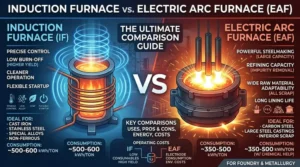
- เตาไฟแบบดั้งเดิม (เช่นเตาแก๊สหรือเตาน้ำมัน) สร้างโซนอุณหภูมิสูงในท้องถิ่นได้อย่างง่ายดาย, นำไปสู่การระเหยของโลหะมีค่ามากเกินไป. การทำความร้อนแบบเหนี่ยวนำขึ้นอยู่กับโลหะ “ความร้อนด้วยตนเอง” (เอฟเฟกต์ความร้อนจูล), ให้ความร้อนสม่ำเสมอและอุณหภูมิเพิ่มขึ้นอย่างรวดเร็วมาก. สิ่งนี้จะช่วยลดเวลาการสัมผัสของโลหะจนถึงอุณหภูมิสูงได้อย่างมาก, จึงช่วยลดอัตราการเผาผลาญ.
3. ความบริสุทธิ์ที่ยอดเยี่ยมและการปกป้องสิ่งแวดล้อม
การกลั่นโลหะมีค่ามีความไวต่อสิ่งเจือปนอย่างมาก; การแทรกซึมของปริมาณคาร์บอน, กำมะถัน, หรือก๊าซอื่น ๆ จะส่งผลต่อความวิจิตรและความเหนียวของผลิตภัณฑ์ขั้นสุดท้าย.
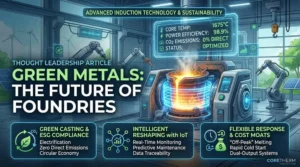
- ความร้อนที่ปราศจากมลภาวะ แหล่งที่มา: เตาเหนี่ยวนำไม่จำเป็นต้องมีการเผาไหม้ของเชื้อเพลิงก๊าซหรือน้ำมัน, กำจัดการปนเปื้อนของสระหลอมเหลวโดยการเผาไหม้ก๊าซไอเสีย (เช่นซัลเฟอร์ไดออกไซด์และคาร์บอนมอนอกไซด์).
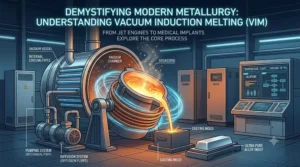
- การควบคุมบรรยากาศ: เตาเหนี่ยวนำสามารถรวมเข้ากับระบบสูญญากาศหรือก๊าซป้องกันได้อย่างง่ายดาย (เช่น อาร์กอนหรือไนโตรเจน) ระบบเพื่อสร้างเตาเหนี่ยวนำสุญญากาศ/ป้องกันบรรยากาศ. นี่เป็นสิ่งสำคัญสำหรับการหลอมทองคำและเงินที่มีความบริสุทธิ์สูง หรือโลหะผสมมีค่าที่สามารถออกซิไดซ์ได้ง่าย.
- การประชุมเชิงปฏิบัติการ สิ่งแวดล้อม: การไม่มีเปลวไฟและการปล่อยไอเสียจำนวนมากช่วยปรับปรุงสภาพแวดล้อมการปฏิบัติงานในโรงหล่อได้อย่างมาก, เป็นไปตามมาตรฐานความปลอดภัยและสิ่งแวดล้อมระดับสูงของโลหะวิทยาสมัยใหม่.
4. อัตราการใช้พลังงานและการผลิตอย่างมีประสิทธิภาพ
ในห่วงโซ่อุตสาหกรรมรีไซเคิลโลหะอันมีค่า, อัตราการหมุนเวียนเงินทุนเป็นสิ่งสำคัญ, โดยเรียกร้องให้อุปกรณ์แปรรูปต้องมีความสามารถในการผลิตที่มีประสิทธิภาพสูง.
- เตาเหนี่ยวนำมีอัตราการให้ความร้อนที่รวดเร็วมากและใช้เวลาหลอมเหลวสั้นตั้งแต่สตาร์ทเย็น.
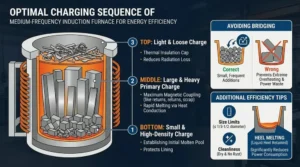
- สามารถจับคู่กำลังการผลิตได้อย่างยืดหยุ่นตามขนาดการผลิต. ตัวอย่างเช่น, เตาเหนี่ยวนำความถี่สูงมักใช้กับเตาขนาดเล็ก, ละลายเร็วในระดับกิโลกรัม, ในขณะที่ เตาหลอมความถี่ขนาดกลาง เหมาะอย่างยิ่งสำหรับการหล่อแท่งเงินและทองคำอย่างต่อเนื่องตั้งแต่หลายสิบถึงหลายร้อยกิโลกรัม, ด้วยประสิทธิภาพเชิงความร้อนที่เหนือกว่าวิธีการหลอมแบบเดิมๆ.
5. ความสามารถในการปรับตัวของเบ้าหลอมได้ดีเยี่ยม
โดยทั่วไปการหลอมโลหะมีค่าจะใช้กราไฟท์ที่มีความบริสุทธิ์สูง, ซิลิกอนคาร์ไบด์, หรือถ้วยใส่ตัวอย่างควอตซ์. ภายใต้สนามแม่เหล็กสลับของการเหนี่ยวนำ, เบ้าหลอมกราไฟท์สามารถทำหน้าที่เป็นองค์ประกอบความร้อนได้ (เครื่องทำความร้อนแบบเหนี่ยวนำทางอ้อม). เมื่อหลอมผงทองคำ/เงินบริสุทธิ์ หรือโคลนทองคำ (เป็นผลิตภัณฑ์ขั้นกลางในกระบวนการรีไซเคิล), ให้ความร้อนเล็กน้อยและสม่ำเสมอ, ป้องกันไม่ให้ผงแสงปลิวไปตามกระแสลม.
สรุป, เตาเหนี่ยวนำไม่ได้เป็นเพียงเครื่องมือทำความร้อนเท่านั้น; มันรวมข้อดีสี่ในหนึ่งเดียวของ แหล่งความร้อนบริสุทธิ์, การกวนทางกายภาพ, การควบคุมอุณหภูมิที่แม่นยำ, และประสิทธิภาพการใช้พลังงานสูง. สำหรับอุตสาหกรรมการกลั่นและการหล่อโลหะมีค่า, ซึ่งไล่ตาม “การสูญเสียเป็นศูนย์และมีความบริสุทธิ์สูง,” ปัจจุบันเป็นอุปกรณ์หลอมเหลวเพียงเครื่องเดียวที่สามารถตอบสนองข้อกำหนดทางเทคนิคที่เข้มงวดเหล่านี้ได้อย่างสมบูรณ์แบบ.