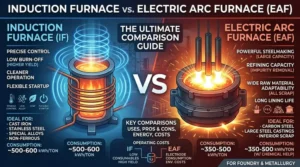
Процессы переработки и литья драгоценных металлов, таких как золото и серебро, предъявляют чрезвычайно строгие требования к чистоте., уровень потерь, и производственная среда. В современной металлургии и литейном производстве, причина в индукционных печах (особенно среднечастотные и высокочастотные индукционные печи) стали абсолютным основным оборудованием в этой области, прежде всего благодаря своим уникальным принципам нагрева и металлургическим свойствам..
1. Спонтанный “Электромагнитное перемешивание” Эффект
Это одна из наиболее ценных металлургических особенностей индукционной плавки.. Когда переменное магнитное поле индуцирует токи в расплавленном металле., электромагнитная сила заставляет расплав самопроизвольно падать и перемешиваться.
- Роль в нефтепереработке: Переработка драгоценных металлов обычно требует добавления флюсов. (например, бура, карбонат натрия, и т. д.) для образования шлака и поглощения примесей. Электромагнитное перемешивание позволяет флюсу полностью контактировать с расплавленным металлом., ускоряя металлургическую реакцию и заставляя примеси более тщательно отделяться и всплывать на поверхность.
- Роль в кастинге: Обеспечивает абсолютную однородность состава сплава. (такие как сплавы K-золота или серебра) и температура, предотвращение сегрегационных явлений в слитках.
2. Точный контроль температуры и чрезвычайно низкая “Скорость выгорания”
Температура плавления золота равна 1064° C., и серебро есть 961.8° C.. Драгоценные металлы имеют большую ценность, и любые потери металла (выгорание) вызванное высокотемпературным улетучиванием или окислением, приведет к значительным экономическим потерям..
- Индукционные печи позволяют достичь чрезвычайно точный контроль температуры регулируя выходную мощность.
- Традиционные пламенные печи (как газовые или масляные печи) легко создавать локальные высокотемпературные зоны, что приводит к чрезмерному испарению драгоценных металлов. Индукционный нагрев основан на “самонагревающийся” (Эффект нагрева джоула), обеспечение равномерного нагрева и чрезвычайно быстрого повышения температуры. Это значительно сокращает время воздействия металлов на высокие температуры., тем самым минимизируя скорость выгорания.
3. Исключительная чистота и защита окружающей среды
Аффинаж драгоценных металлов чрезвычайно чувствителен к примесям.; проникновение следовых количеств углерода, сера, или другие газы повлияют на тонкость и пластичность конечного продукта..
- Экологически чистое тепло Источник: Индукционные печи не требуют сжигания газа или мазута., исключение загрязнения ванны расплава выхлопными газами сгорания (как диоксид серы и оксид углерода).
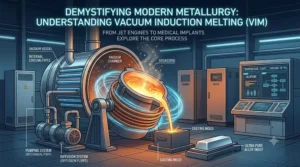
- Контроль атмосферы: Индукционные печи можно легко интегрировать с вакуумными системами или системами защитного газа. (как аргон или азот) системы для создания вакуума/защитной атмосферы индукционные печи. Это имеет решающее значение для плавки золота и серебра высокой чистоты или легко окисляемых сплавов драгоценных металлов..
- Мастерская Среда: Отсутствие пламени и массивных выбросов выхлопных газов значительно улучшает рабочую среду в литейном цехе., соответствие высоким стандартам безопасности и экологии современной металлургии.
4. Эффективное использование энергии и темпы производства
В цепочке предприятий по переработке драгоценных металлов, скорость оборачиваемости капитала имеет решающее значение, требование, чтобы технологическое оборудование обладало высокоэффективными производственными возможностями.
- Индукционные печи имеют чрезвычайно высокую скорость нагрева и короткое время плавления с холодного запуска..
- Они могут гибко подбирать мощность в зависимости от масштаба производства.. Например, высокочастотные индукционные печи часто используются для мелкосерийного производства., быстрое таяние на килограммовом уровне, пока среднечастотные индукционные печи идеально подходят для непрерывной разливки от десятков до сотен килограммов слитков серебра и золота., с термической эффективностью, намного превосходящей традиционные методы плавки.
5. Отличная адаптируемость тигля
При плавке драгоценных металлов обычно используется графит высокой чистоты., Силиконовый карбид, или кварцевые тигли. В переменном магнитном поле индукции, сам графитовый тигель может выступать в роли нагревательного элемента (непрямой индукционный нагрев). При плавлении чистого золота/серебряного порошка или золотого шлама (промежуточный продукт в процессе переработки), это обеспечивает мягкий и равномерный нагрев, предотвращение сдувания легких порошков потоками воздуха.
В итоге, индукционная печь – это не просто нагревательный инструмент; он объединяет преимущества «четыре в одном» чистый источник тепла, физическое перемешивание, точный контроль температуры, и высокая энергоэффективность. Для аффинажной и литейной промышленности драгоценных металлов, который преследует “нулевые потери и высокая чистота,” на данный момент это единственное плавильное оборудование, способное полностью удовлетворить все эти строгие технические требования..