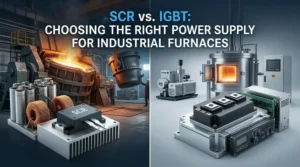
في الصناعات المعدنية والصب التقليدية, أفران الحث متوسطة التردد سيئة السمعة “قتلة الشبكة.” بسبب خصائص الحمل غير الخطية لمحولاتها الداخلية (ما إذا كانت مقومات السيليكون التي تسيطر عليها في وقت مبكر (SCR) أو الترانزستورات ثنائية القطب ذات البوابة المعزولة الحديثة (IGBT)), أنها تولد تيارات دافعة عابرة ضخمة أثناء بدء التشغيل وإيقاف التشغيل. ويرافق ذلك حجم كبير من التوافقيات عالية الترتيب (مثل التوافقيات الخامسة والسابعة) وتقلبات شديدة في الطاقة التفاعلية. في المناطق الصناعية المدعمة بشبكة كهرباء رئيسية, يتم تخفيف هذه التأثيرات بسهولة بواسطة “شبكة لا نهائية.” لكن, في البيئات خارج الشبكة مثل الجزر النائية أو المناجم الجبلية العميقة, تنطلق مجموعات مولدات الديزل التقليدية بسهولة بسبب الأحمال الزائدة اللحظية أو وميض التردد.
مع نضوج تقنيات الطاقة والتخزين الجديدة, نظام تخزين الطاقة الهجين (هيس)- الجمع بين أ com.microgrid + بطارية تخزين الطاقة + عازلة مكثف فائق- يبرز باعتباره جوهر الاختراق لتحقيق الاستقرار “صهر أخضر” في البرية.
1. طوبولوجيا نظام Microgrid المستقلة
في بيئات غائبة عن الشبكة, نحن بحاجة إلى بناء نظام شبكة صغيرة ذاتية التوازن تمامًا. تشتمل هندستها المعمارية النموذجية على الطاقة المتجددة الموزعة (الشمسية, رياح), وحدة التحكم الأساسية, نظام تخزين الطاقة الهجين, والفرن التعريفي بمثابة الحمل الصناعي الثقيل.
في هذه الطوبولوجيا, تعمل مولدات الديزل التقليدية فقط كوحدات احتياطية للطوارئ أو طاقة تكميلية منخفضة التردد خلال فترات الأمطار أو الغيوم الممتدة. النواة الحقيقية المسؤولة عن ترويض التأثيرات العابرة لفرن الحث هي تخزين بطارية الليثيوم وتجمع عازلة المكثفات الفائقة تقع في المركز.
2. نقاط الألم الأساسية: ما هو بالضبط تأثير بدء تشغيل فرن الحث وإيقافه؟?
مباشرة “القيادة القسرية” غالبًا ما يواجه فرن الحث في بيئة خارج الشبكة باستخدام بطاريات نقية أو مولدات الديزل التقليدية ثلاث مشكلات قاتلة:
- الإثارة العابرة و العاصمة صدمة شحن الحافلة: في اللحظة التي يتم فيها تشغيل الفرن التعريفي, يجب شحن مكثفات الدعم الموجودة في الطرف الأمامي للعاكس على الفور, بينما يجب أن ينشئ الملف التعريفي الموجود داخل جسم الفرن مجالًا مغناطيسيًا قويًا. الطلب على الطاقة لحظية في هذه اللحظة (عادة 3 ل 5 أضعاف القوة المقدرة) يخلق معدل مرتفع للغاية من التغيير الحالي ($$دي أنا / د $$), تتجاوز بكثير سرعة استجابة التفريغ التقليدية لبطاريات الليثيوم (وهو على مقياس الثواني).
- التلوث التوافقي عالي الترتيب: تقوم عمليتا التصحيح والانعكاس بتغذية كمية كبيرة من التيار غير الجيبي مرة أخرى إلى الشبكة الصغيرة. إذا كانت مقاومة microgrid عالية, تسبب هذه التوافقيات تشويهًا شديدًا لشكل موجة الجهد, مما يؤدي إلى عمليات خاطئة أو ارتفاع درجة الحرارة/الإرهاق في المكونات الحساسة الأخرى داخل الشبكة الصغيرة (مثل أجهزة التحكم وأجهزة الاستشعار PLC).
- شديد قوة رد الفعل التقلبات: خلال مراحل الذوبان المختلفة (مادة باردة, ذوبان, ارتفاع درجة الحرارة), تتغير المعاوقة المكافئة لفرن الحث ديناميكيًا. يؤدي تدفق الطاقة التفاعلية المثير هذا إلى حدوث وميض جهد واسع النطاق في الشبكة الصغيرة. إذا تجاوز انخفاض الجهد 10%, سوف يؤدي العاكس نفسه إلى حماية الجهد المنخفض وإغلاقه.
3. نظام تخزين الطاقة الهجين (هيس) “جامدة ولكنها مرنة” حل
لمعالجة نقاط الألم هذه, تتبنى الشبكة الصغيرة أ “التخزين المؤقت ثنائي الطبقة” استراتيجية حيث بطاريات الليثيوم (نوع الطاقة) و المكثفات الفائقة (نوع الطاقة) العمل في التآزر.
المكمل المثالي للطاقة والقوة
على الرغم من أن بطاريات الليثيوم تتمتع بكثافة طاقة عالية ومناسبة لتوفير طاقة ذوبان مستدامة لساعات, سرعة تفاعلها الكهروكيميائي بطيئة, والصدمات ذات التيار العالي المتكررة تؤدي إلى تدهور دورة حياتها بشكل كبير. المكثفات الفائقة (اي دي ال سي), على العكس من ذلك, الاعتماد على التخزين الفعلي. يمكنهم إطلاق أو امتصاص تيارات ضخمة عند مستوى مللي ثانية, تتميز بدورة حياة تصل إلى مئات الآلاف من المرات.
| المعلمة المميزة | تخزين بطارية الليثيوم (جوهر الطاقة) | تجمع عازلة المكثفات الفائقة (رائدة القوة) |
| كثافة الطاقة | عالي (عادة أكبر من 150 واط/كجم) | قليل (عادة أقل من 10 واط/كجم) |
| القدرة على انتاج الطاقة | معتدل (التفريغ المستدام 1C – 2ج) | عالية للغاية (تفريغ فوري يصل إلى 50 درجة مئوية +) |
| سرعة الاستجابة | المستوى الثاني (1 – 3 ثواني) | مستوى مللي ثانية (أقل من 10 ميلي ثانية) |
| دورة الحياة | 3,000 – 8,000 دورات | 500,000 – 1,000,000 دورات |
| المسؤولية الأساسية | الحفاظ على استهلاك الطاقة لساعات من ذوبان الفرن المستقر | استيعاب ذروة الإنتاجية أثناء بدء تشغيل الفرن, اغلق, ولحظات الزائد |
4. التسلسل التشغيلي للشبكة الصغيرة “القيادة القسرية” فرن الحث
في التشغيل الفعلي, نظام إدارة الطاقة للشبكات الصغيرة (إي إم إس) ونظام تحويل الطاقة (أجهزة الكمبيوتر) العمل معًا من خلال التحكم المنسق لمرافقة فرن الحث بسلاسة خلال مرحلة بدء التشغيل:
- تنشيط Microgrid والشحن المسبق
التحضير قبل بدء التشغيل。
نظام تحويل الطاقة (أجهزة الكمبيوتر) يعمل في وضع تشكيل الشبكة, تأسيس ذات جودة عالية, جهد ناقل تيار متردد ثابت ثلاثي الطور في الشبكة المعزولة, مع التردد المقفل بدقة 50 هرتز.
- المكثفات الفائقة اعتراض الصدمة عند ميلي ثانية حجم
لحظة بدء التشغيل (0 – 100آنسة)。
يتم تشغيل فرن الحث, توليد مئات الكيلووات من الطفرة الحالية على الفور. لأن معدل التغير الحالي مرتفع بشكل استثنائي في هذه اللحظة, يعمل محول DC-DC عالي التردد ثنائي الاتجاه بشكل كامل, قيادة المكثفات الفائقة لحقن كمية هائلة من الطاقة النشطة في الحافلة الموجودة بداخلها 5 ميلي ثانية, تقييد انخفاض الجهد الحافلة إلى الداخل 3%.
- في الوقت الحالى تعويض القوة التوافقية والتفاعلية
المرحلة الانتقالية لتحقيق الاستقرار。
مرشح الطاقة النشط (APF) ومولد فار ثابت (SVG) وحدات نظام التخزين تنتشر بكامل طاقتها. يكتشفون التوافقيات الخامسة والسابعة الناتجة عن فرن الحث في الوقت الحقيقي, إخراج تيارات مضادة للطور بشكل نشط لإلغائها أثناء التتبع الديناميكي لتحولات مقاومة الملف لتعويض الطاقة التفاعلية على مستوى المللي ثانية.
- تنتقل بطاريات الليثيوم بسلاسة إلى ذوبان الحالة الثابتة
مرحلة الانصهار العادية (بعد 100 مللي ثانية)。
عندما يدخل الفرن التعريفي إلى حالة تشغيل مستقرة, تتوقف المكثفات الفائقة عن التفريغ الثقيل وتتحول إلى حالة الشحن الاحتياطية. يقوم نظام EMS بتشغيل حزمة بطارية الليثيوم ذات السعة الكبيرة لتولي مرحل الطاقة بسلاسة, تبدأ لمدة طويلة, مستقرة انتاج الطاقة الكاملة.
5. التقييم الشامل للاقتصاد والجدوى
في الجزر المعزولة أو في المناجم النائية, باستخدام هذا “الطاقة المتجددة + تخزين الطاقة الهجينة” أصبح أسلوب تشغيل فرن الحث المباشر ممكنًا الآن بلا شك من الناحية الفنية. وجدواها الاقتصادية مقنعة بنفس القدر:
عائد الاستثمار مقارنة: في الجبال العميقة أو الجزر المعزولة, تكاليف نقل وتخزين الديزل باهظة. يجب أن يصل حجم مولدات الديزل التقليدية عالية الطاقة إلى 3 أضعاف القوة المقدرة للفرن لمنع التعثر من الأحمال النبضية للفرن - مما يؤدي إلى عدم كفاءة “محرك كبير الحجم لعربة صغيرة” العملية التي تحرق من خلال الوقود. على العكس من ذلك, على الرغم من أن نظام تخزين الطاقة الهجين يتطلب نفقات رأسمالية أولية أعلى (النفقات الرأسمالية), فهو لا يتحمل تكاليف الوقود تقريبًا أثناء التشغيل ويطيل الفترات الزمنية لصيانة المعدات بشكل كبير. عادة ما يتم استرداد الاستثمار في الداخل 2 ل 3 سنوات فقط من خلال توفير وقود الديزل.
هذا “القيادة القسرية” تكسر التكنولوجيا تمامًا الاعتماد التقليدي لعلم المعادن على الكتلة, شبكات الطاقة المركزية. ويتحول الصهر الأولي المحلي في مواقع التعدين, إعادة تدوير الخردة المعدنية في الجزر, وحتى صب المعادن في حالات الطوارئ على السفن الكبيرة العابرة للمحيطات وتحويلها إلى واقع ملموس.