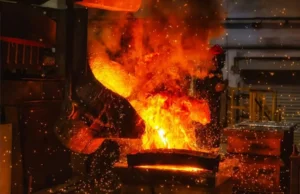
In the induction melting process for non-ferrous metals (specifically Copper, Aluminum, Gold, and Silver), the Graphite Crucible is not merely a container; it is the core component of the heating and heat transfer system.
Understanding its physical properties and mastering core maintenance techniques are critical for extending crucible life, ensuring molten metal purity, and reducing production costs.
1. Core Characteristics: Why Choose Graphite?
In an Induction Furnace environment, the unique properties of graphite crucibles make them the ideal choice for melting high-conductivity metals.
Electrical Conductivity: Acting as a “Susceptor”
For high-conductivity metals like Gold (Au), Silver (Ag), and Copper (Cu), relying solely on the induction magnetic field to generate Eddy Currents within the metal itself can sometimes be inefficient (especially during a cold start).
- Mechanism: Graphite itself has excellent electrical conductivity. Under the alternating magnetic field of the induction coil, strong induced currents are generated within the walls of the graphite crucible, causing it to heat up rapidly.
- Result: The crucible heats up first, then transfers heat to the internal metal charge via Thermal Conduction and Radiation. This “container heats the material” method ensures uniform melting.
Thermal Conductivity: Efficient Uniform Heating
Graphite possesses extremely high Thermal Conductivity.
- Fast Response: It can rapidly transfer the heat generated by induction to the metal, shortening melting time and reducing energy consumption.
- Homogeneity: Good thermal conductivity helps equalize the temperature across the crucible walls, minimizing stress cracks caused by local overheating.
2. Specific Considerations for Different Metals
| Metal | Key Considerations |
| Gold (Au) / Silver (Ag) | Purity First. Graphite is chemically stable and unlikely to contaminate precious metals. High-purity, high-density, fine-grain graphite crucibles are required to minimize slag adhesion and precious metal loss. |
| Copper (Cu) / Alloys | Oxidation Resistance. Copper melting temperatures are high (approx. 1100℃ – 1200℃ ). At these temperatures, graphite oxidizes easily. Crucibles with a specialized anti-oxidation glaze layer must be used. |
| Aluminum (Al) / Alloys | Erosion Resistance. Aluminum is highly reactive and can reduce crucible materials. Silicon Carbide (SiC)-Graphite crucibles with high resistance to aluminum erosion are required to prevent “sticking” and ensure impurities do not contaminate the melt. |
3. Maintenance: Three Core Pain Points & Solutions
The three most common failure modes for graphite crucibles are Oxidation, Moisture Explosion (Spalling), and Thermal Shock Cracking. Here are targeted preventive measures:
A. Oxidation Prevention
Graphite is carbon; when in contact with oxygen at high temperatures, it reacts to form CO2. This causes the crucible walls to thin, reducing strength and heat transfer efficiency.
- Glaze Protection: Never scratch the anti-oxidation glaze layer on the crucible surface during handling.
- Atmosphere Control: If possible, use a cover flux or inert gas protection when melting Gold or Silver to protect both the metal and the crucible.
- Minimize Idling: Reduce the time the crucible sits empty while red-hot. Once the molten metal is poured, immediately add new material or cover the furnace to avoid exposing high-temperature graphite to air for extended periods.
- Flame Control: If using gas-assisted preheating, ensure the flame is neutral or reducing. Avoid spraying an oxidizing flame directly onto the crucible wall.
B. Moisture Prevention
Graphite crucibles are porous materials and easily absorb moisture from the air. At high temperatures, this water instantly vaporizes; the volume expansion leads to spalling or even explosions.
- Storage Environment: Must be stored in a dry, ventilated area on wooden pallets (Relative Humidity < 50%). Never place directly on concrete floors or in damp areas.
- Strict Pre-heating (Baking):
- New/Long-idle Crucibles: A strict baking procedure is mandatory. It is usually recommended to hold at approx. 200℃ for 2-4 hours to drive out absorbed moisture before slowly increasing the temperature.
- Daily Use: Even in continuous production, proper low-power preheating should be performed before a cold furnace start.
C. Prevention of Thermal Shock & Physical Damage
Thermal shock refers to crucible cracking caused by thermal stress due to drastic temperature changes.
- Loading Protocols:
- No Wedging: Metal usually has a higher coefficient of thermal expansion than the crucible. If large cold metal blocks are wedged horizontally into the crucible, they will expand upon heating and burst the crucible. Use loose loading: place small materials at the bottom and lower large ingots gently.
- Avoid Impact: Drop heavy materials gently to avoid damaging the crucible bottom.
- Ramping Curve:
- Do not ramp up to full power immediately, especially in the stage below 600℃ (the brittle zone for graphite). Use step heating.
- Slag Removal:
- Be gentle when cleaning slag from the crucible walls after melting. Slag has a different expansion coefficient than graphite; if the slag layer is too thick during cooling, it can pull and crack the crucible surface.
4. Summary & Recommendations
The graphite crucible acts as the “heart” of the induction furnace during non-ferrous metal melting.
- Select the Right Material: Choose the correct formulation (High-Purity Graphite vs. Silicon Carbide Graphite) based on whether you are melting Au/Ag, Cu, or Al.
- Moisture Control is Critical: The vast majority of unexplained “explosions” originate from moisture absorption.
- Gentle Operation: Whether heating up or loading materials, avoid violent physical and thermal shocks.
Attending to these details can not only extend crucible life by 50% – 100% but also ensure the purity of your molten metal.