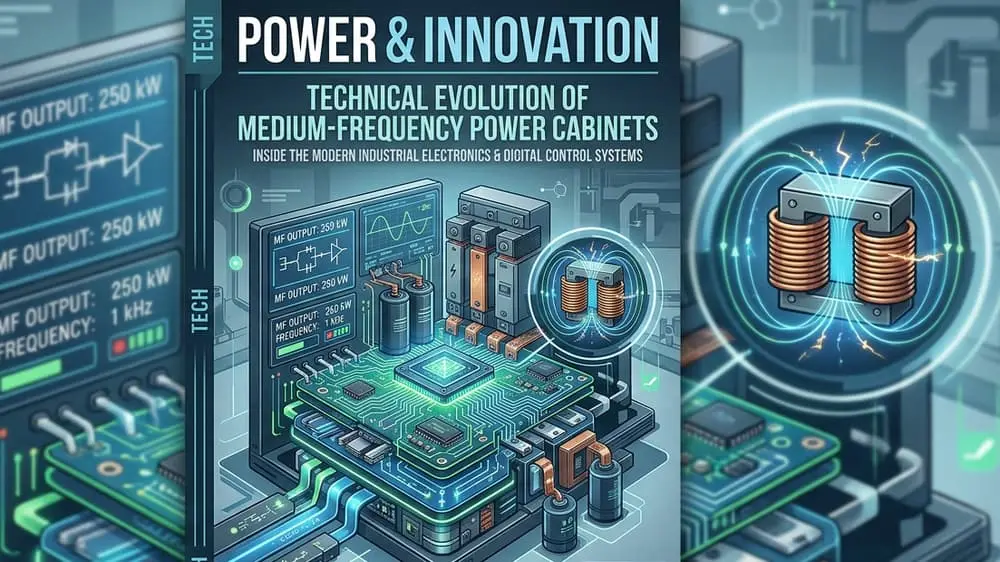
Technical Evolution of Induction Power Cabinets
A hardcore comparison and energy efficiency analysis of series vs. parallel resonant circuits As the
A hardcore comparison and energy efficiency analysis of series vs. parallel resonant circuits As the
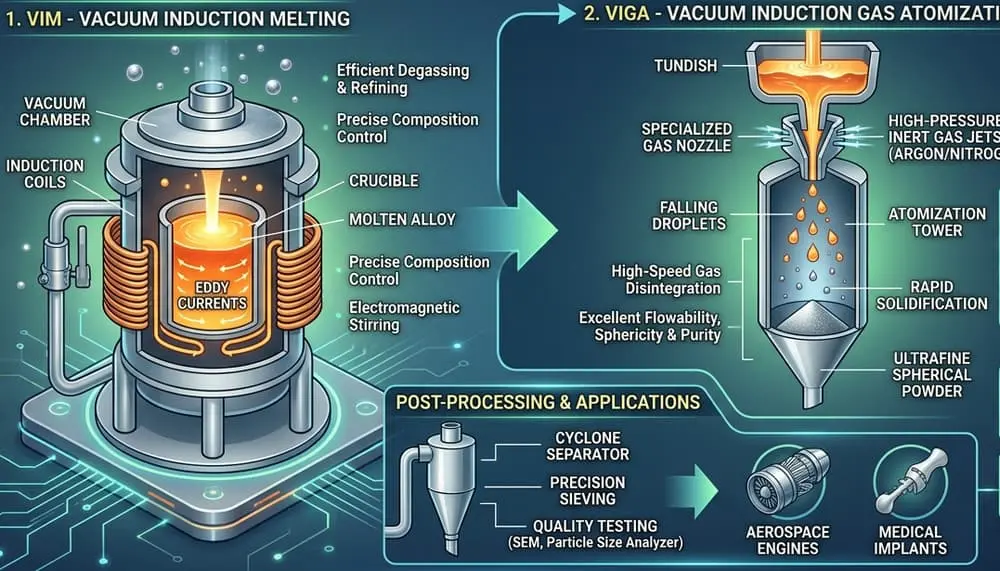
Vacuum Induction Melting (VIM) & Vacuum Induction Gas Atomization (VIGA): Core Process Analysis for High-End
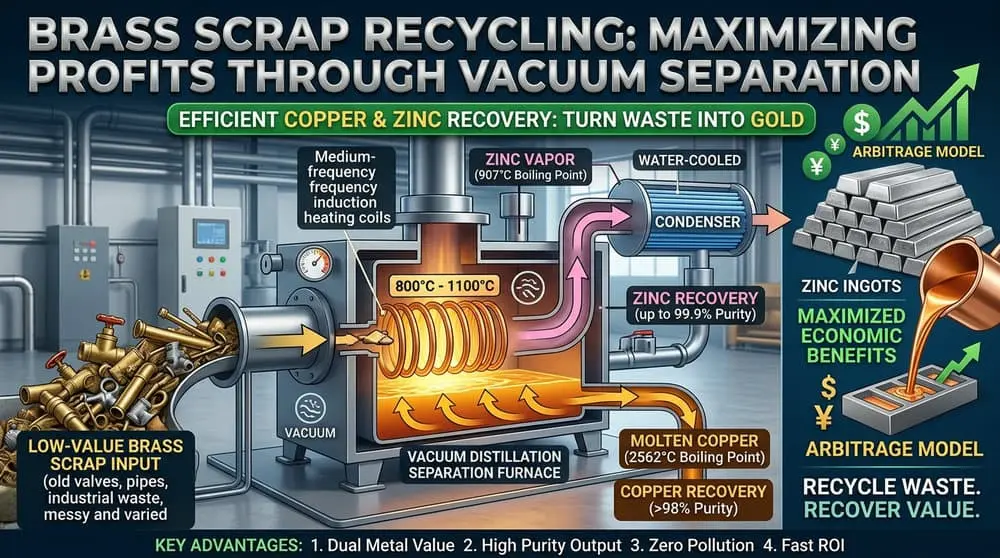
If the recycling of brass scrap (copper-zinc alloy) is limited to traditional open-air melting, it
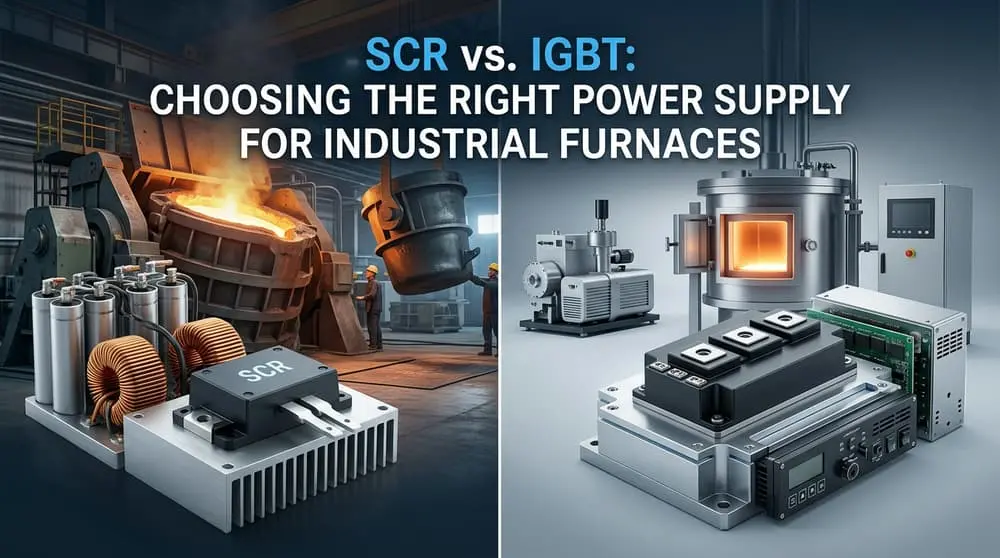
In power supply selection for industrial heating and melting equipment (especially medium-frequency induction furnaces, vacuum
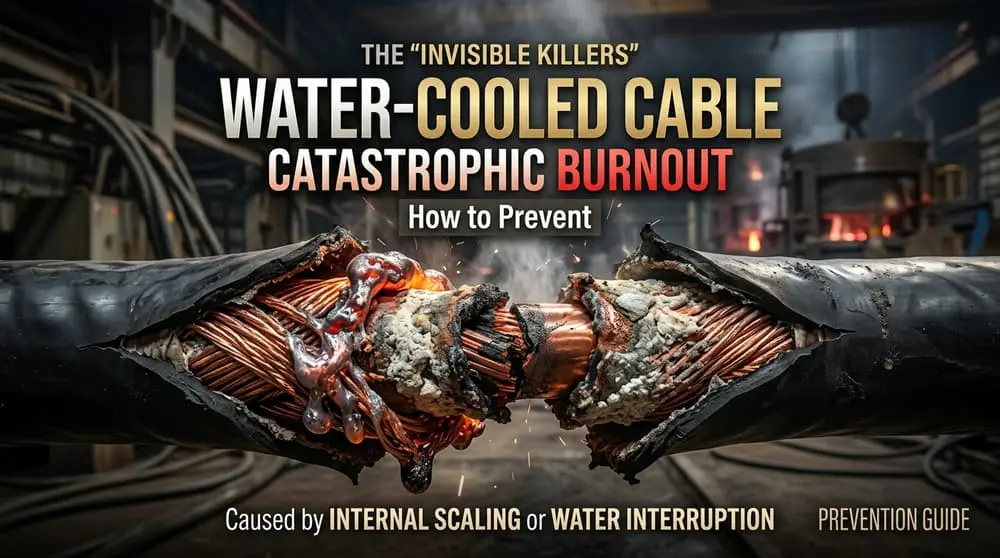
In the operation of medium-frequency induction furnaces, the water-cooled cable serves as the “main artery”
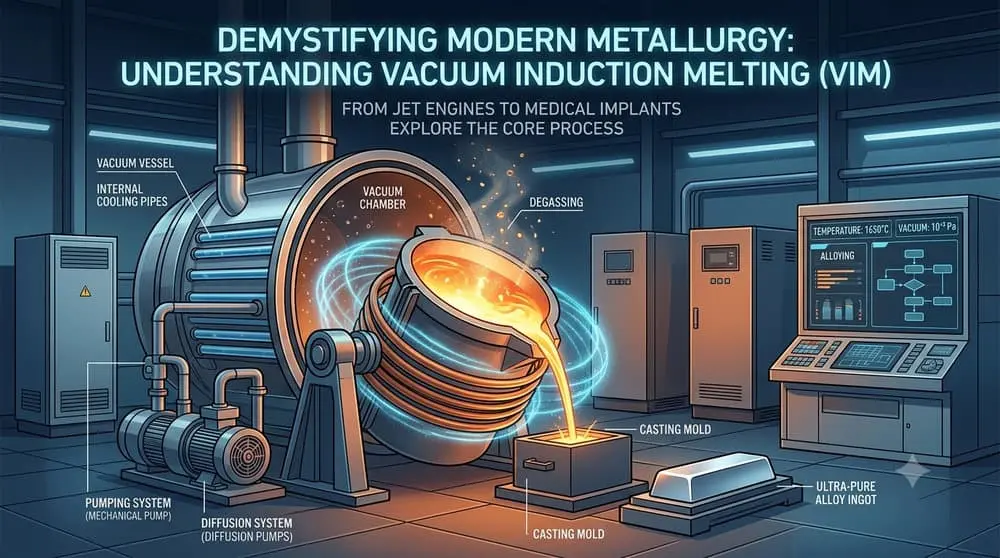
01 What is VIM? Breaking Down the Physical Principles Simply put, VIM is a modern
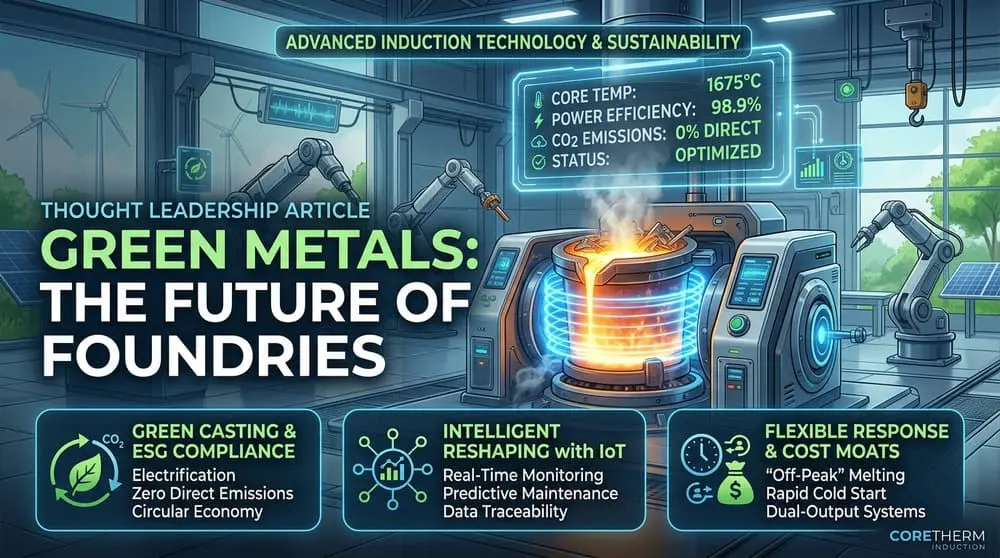
1. Green Casting How Induction Furnaces Help Metal Processing Enterprises Cross the “Carbon Tariff” Threshold
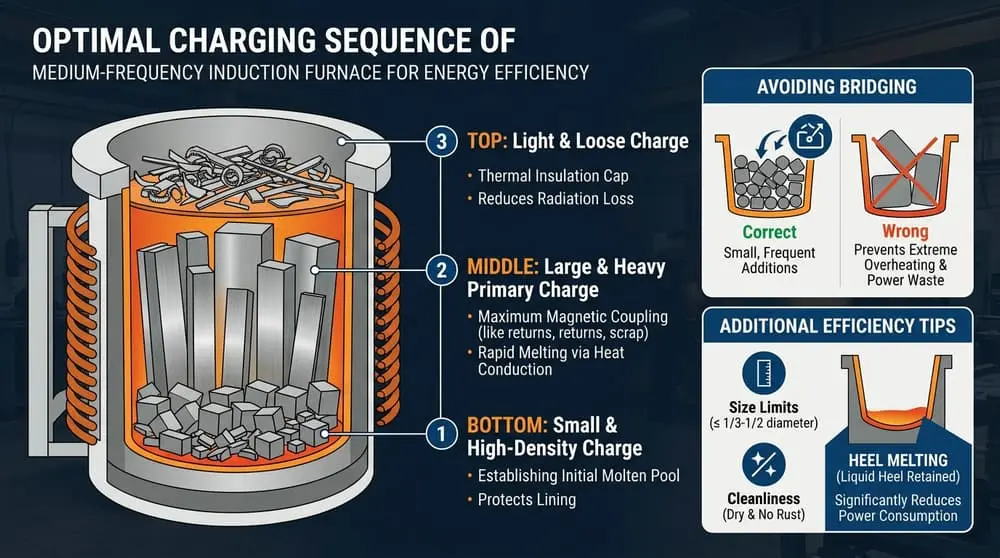
Optimizing the charging sequence of a medium-frequency induction furnace is the most direct way to
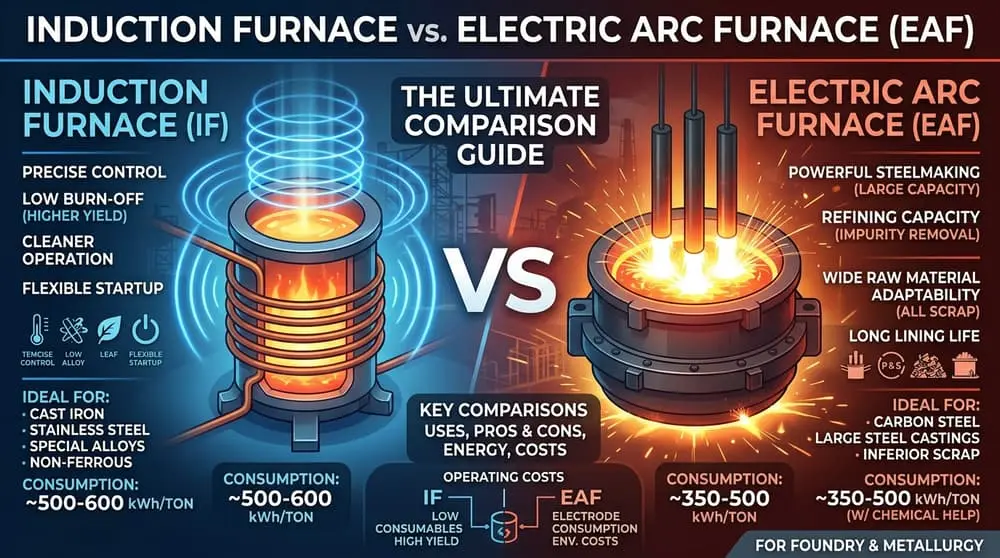
A Comprehensive Comparison of Applications, Pros & Cons, Energy Consumption, and Operating Costs Induction Furnaces
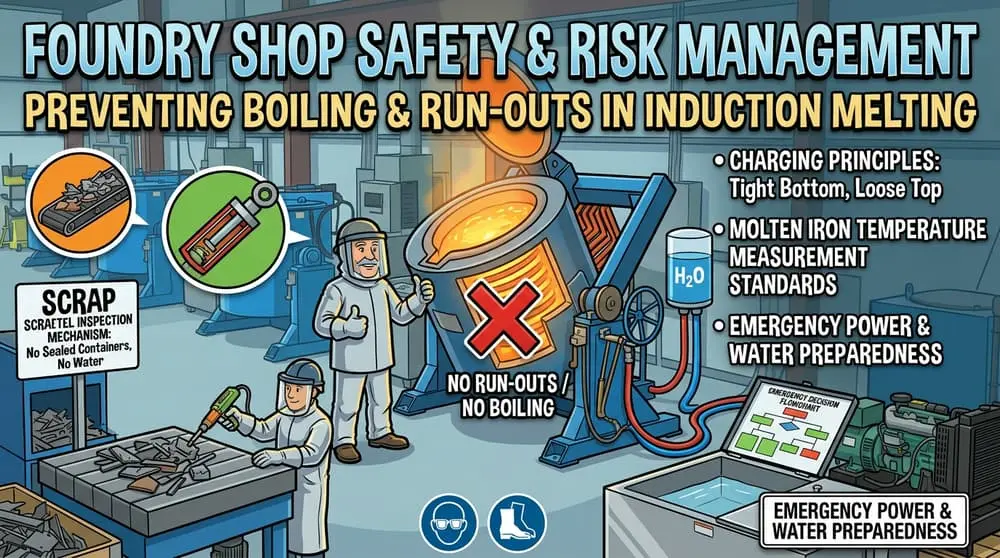
Safety is the lifeline of a foundry and the absolute bottom line for plant managers
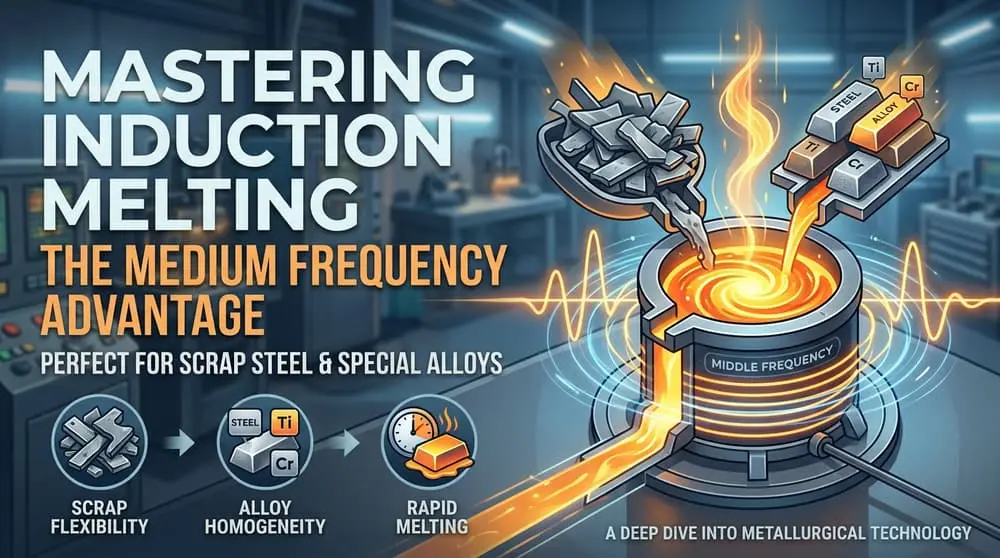
In the realm of induction melting, the frequency choice is not a case of “the
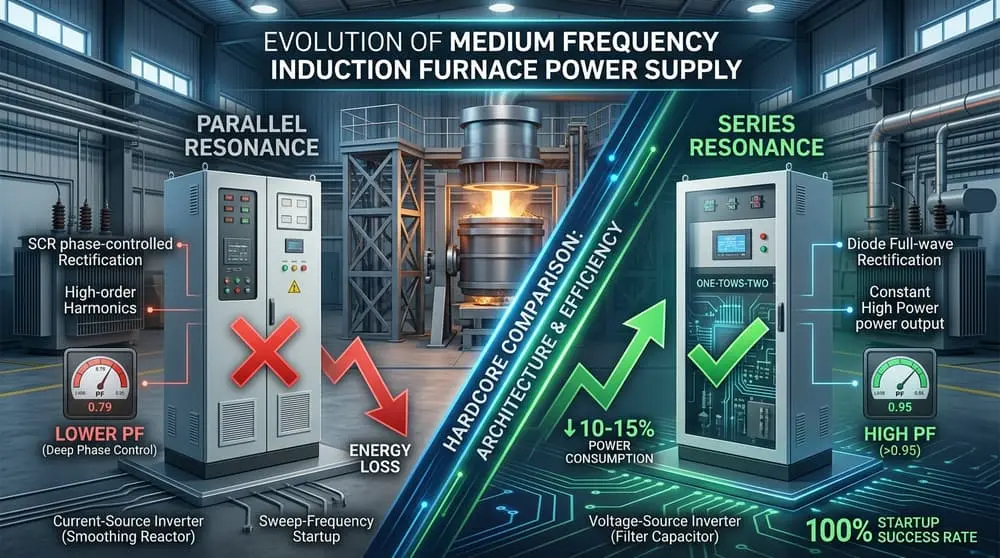
Core Architecture and Technical Evolution Medium-frequency power supply technology has undergone a leap from early
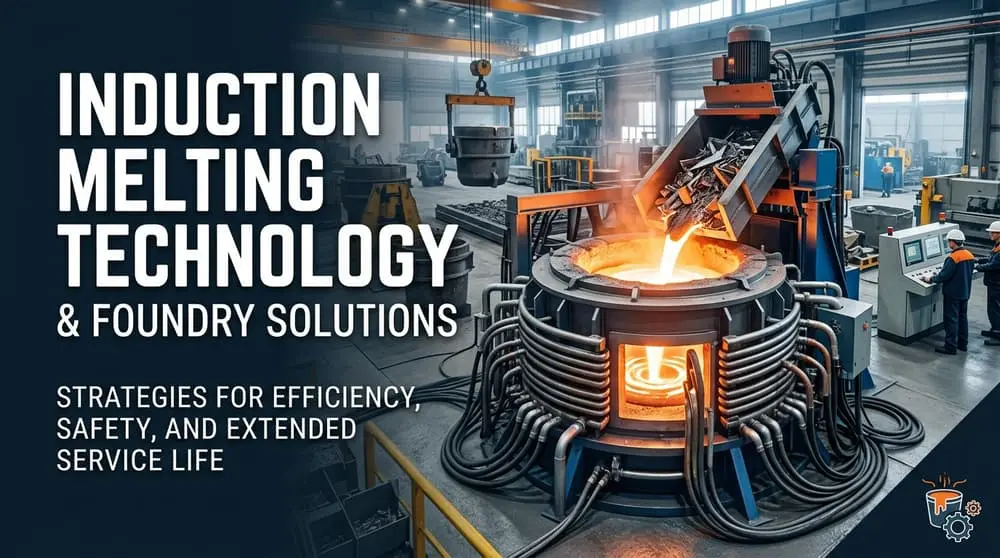
Extending the service life of medium-frequency induction furnace linings is critical for reducing foundry operating
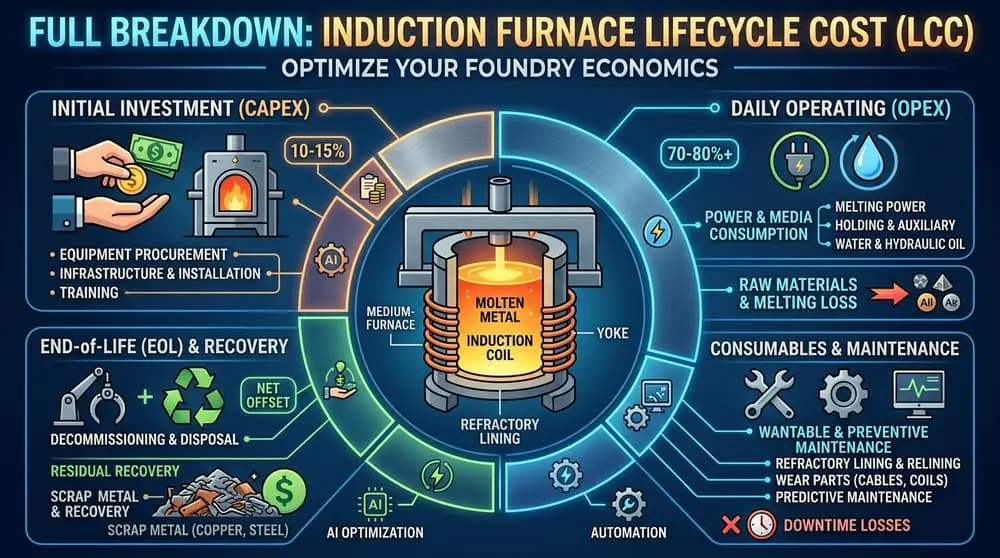
For industrial foundries and metallurgical managers, evaluating the economics of a medium-frequency induction furnace shouldn’t
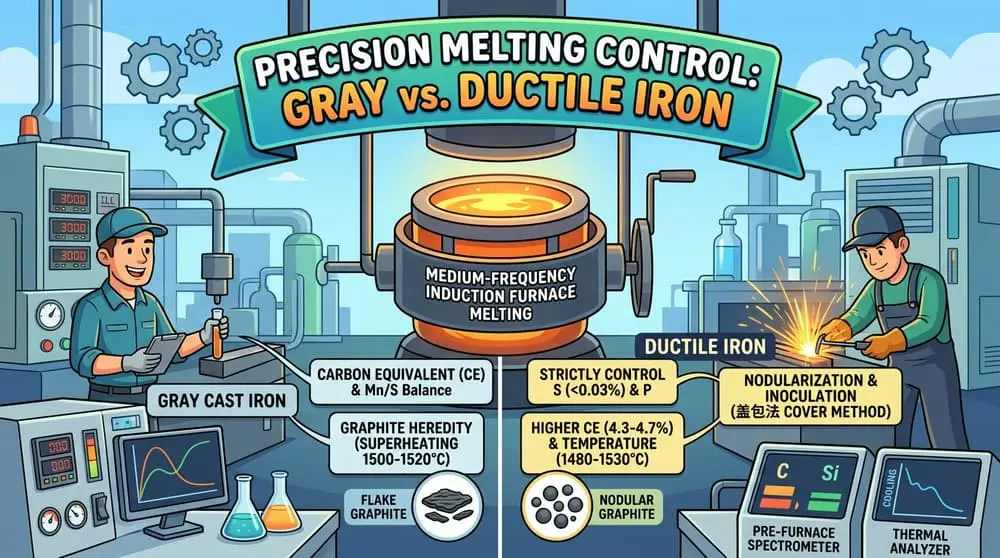
In modern casting processes, especially when using a medium-frequency induction furnace for melting, precise control

The working environment in foundries has long faced challenges such as high temperatures, dust, and
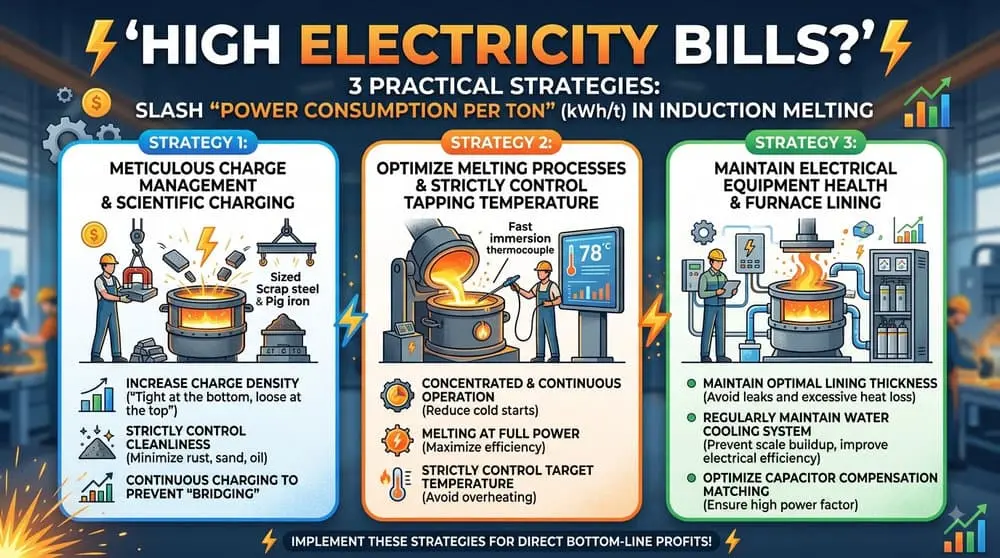
In the foundry industry, electricity is often the largest production cost after raw materials. For
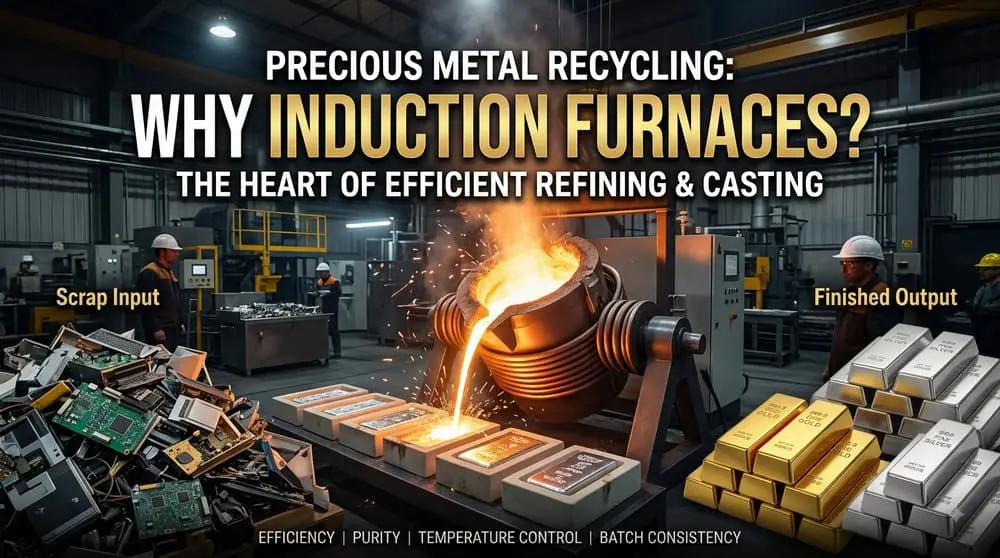
The recycling and casting processes of precious metals like gold and silver impose extremely strict
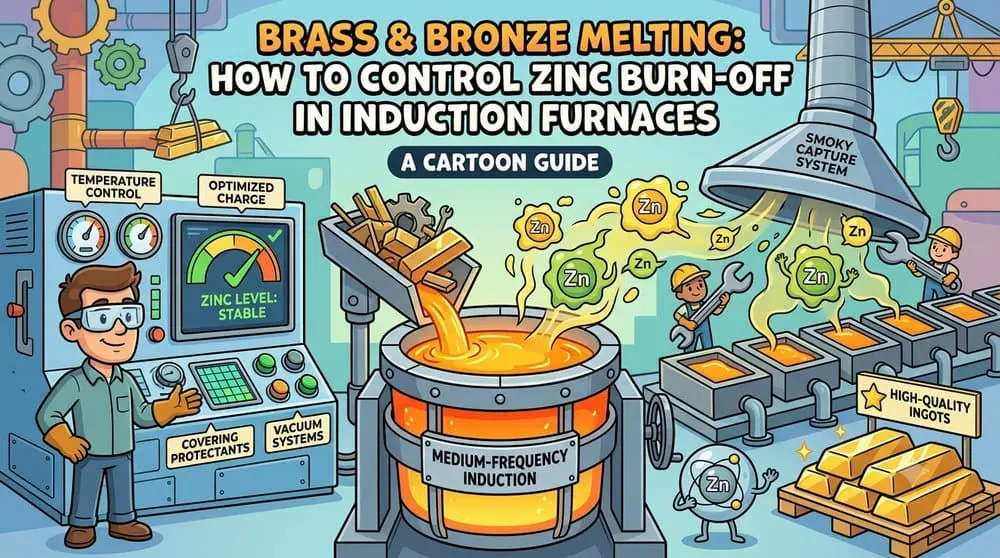
Controlling zinc burn-off (vaporization loss) during the induction furnace melting of brass (15%–40% Zn) and
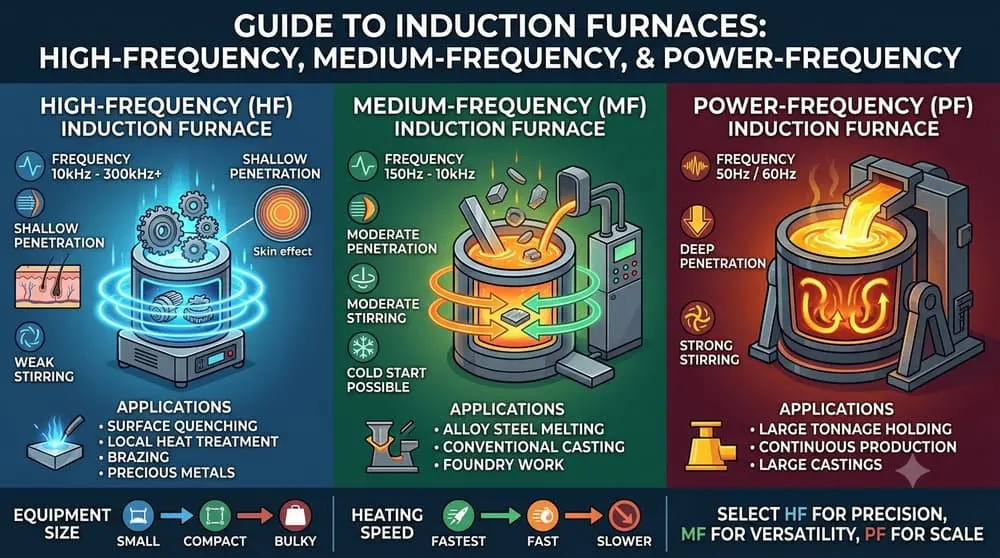
High-Frequency vs. Medium-Frequency vs. Power-Frequency Induction Furnaces: Core Differences and Application Scenarios The core difference
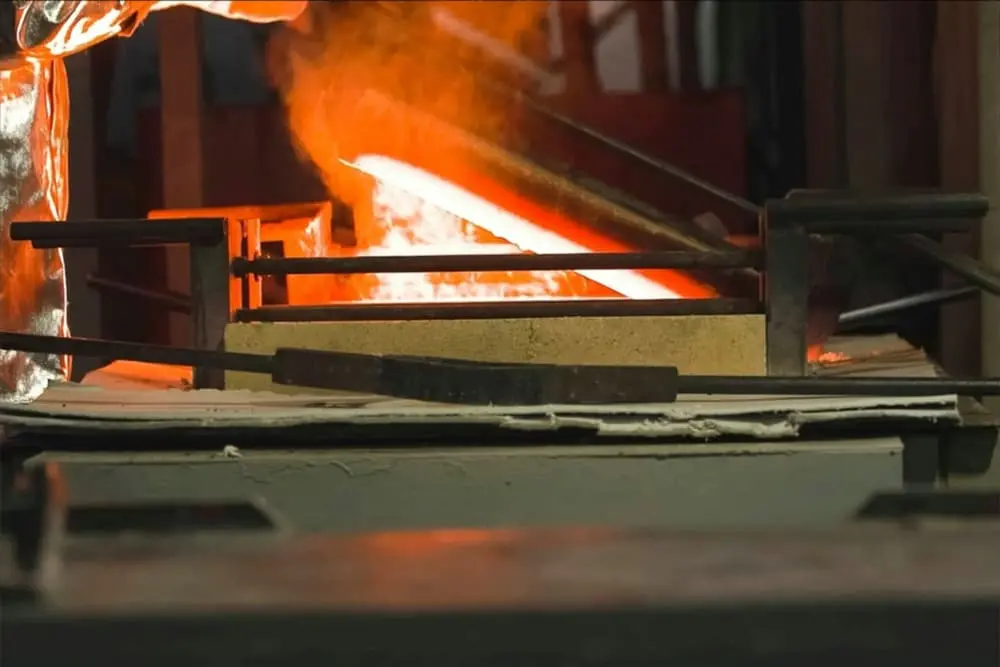
Unveiling the Working Principle of Induction Furnaces: How Do Magnetic Fields Melt Metal Without Contact?
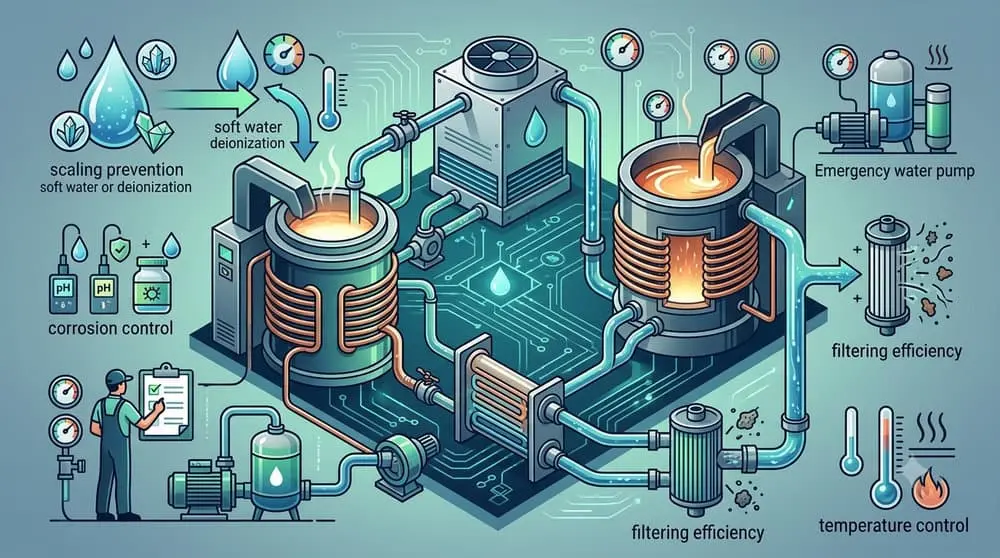
Daily maintenance and water quality requirements for induction furnace cooling water system The cooling water
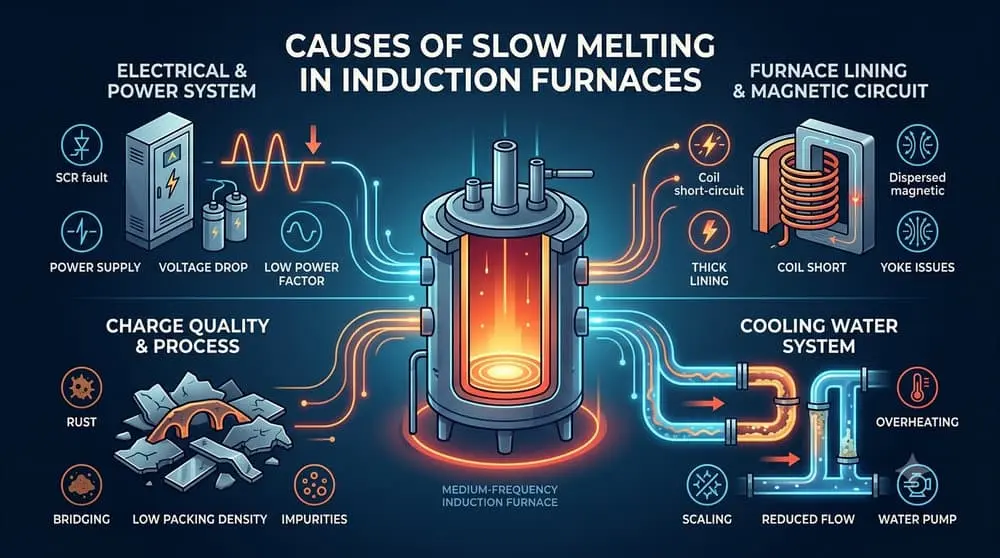
A decrease in the melting speed of a medium-frequency induction furnace is typically caused by
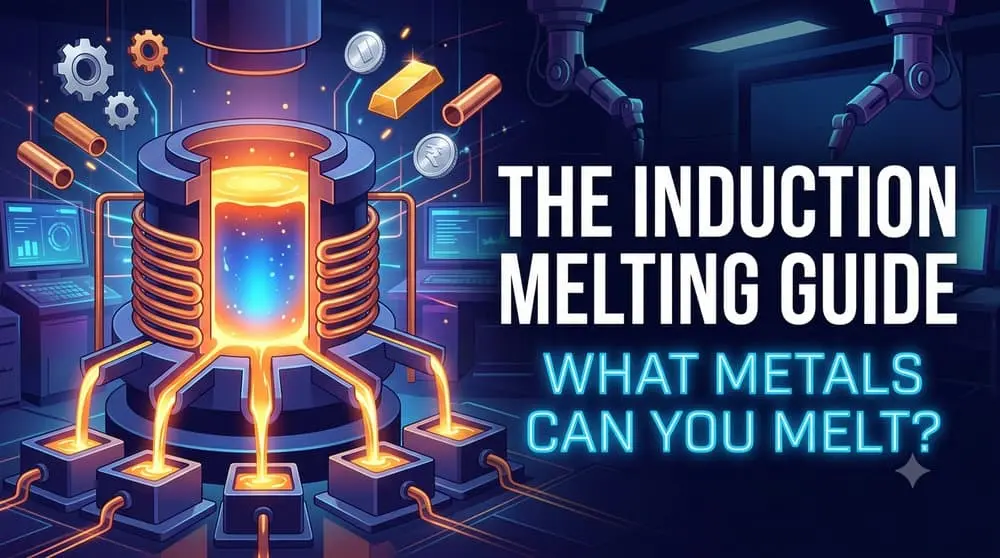
Induction furnaces can melt virtually all electrically conductive metals and alloys. They work by using
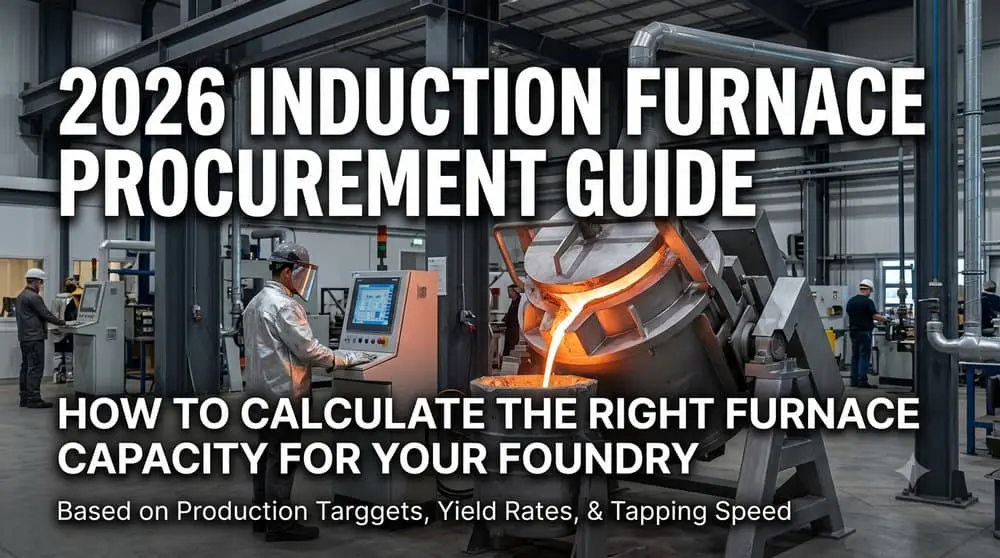
This guide will walk you through how to scientifically calculate and select the most suitable
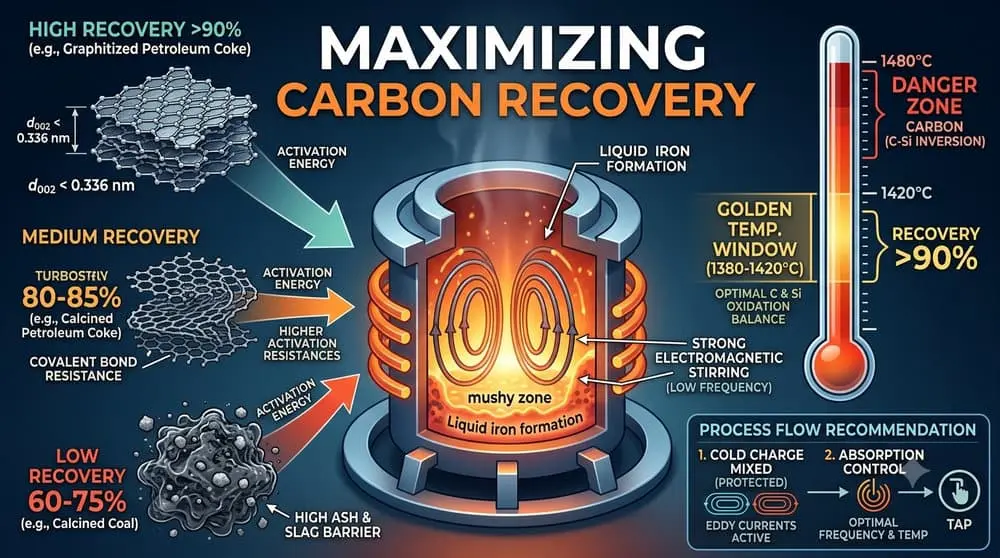
In induction furnace melting (especially in synthetic cast iron production), stabilizing the fixed carbon recovery
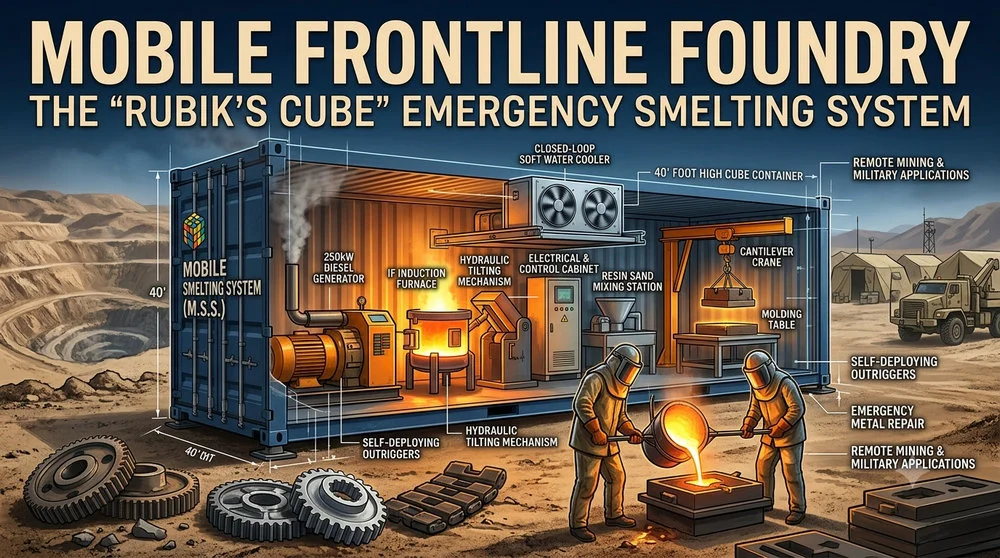
This is a highly visionary yet entirely practical engineering concept. Compressing a heavy industrial smelting
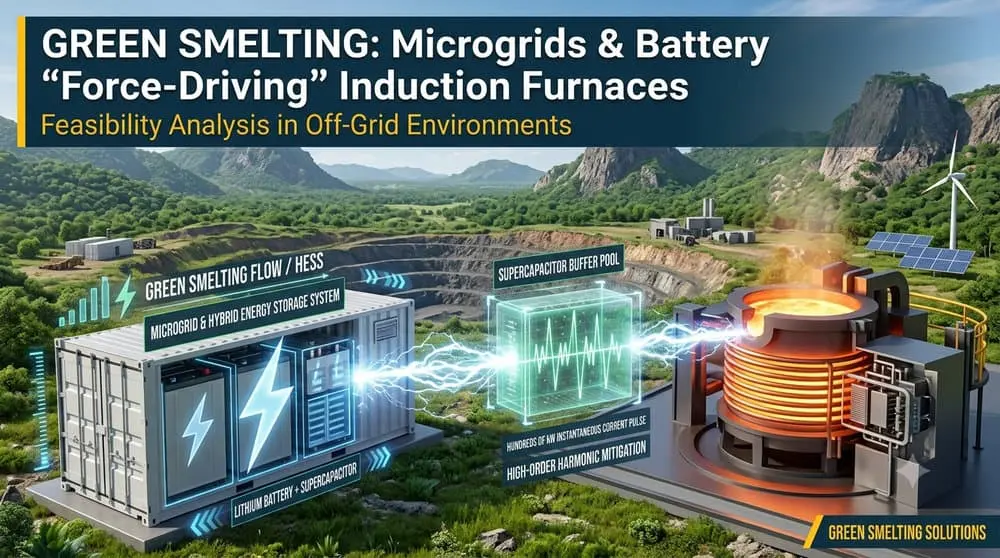
In traditional metallurgy and casting industries, medium-frequency induction furnaces are notorious “grid killers.” Due to
In modern foundries and metallurgical workshops, “Noise Management” for induction furnaces is not just about
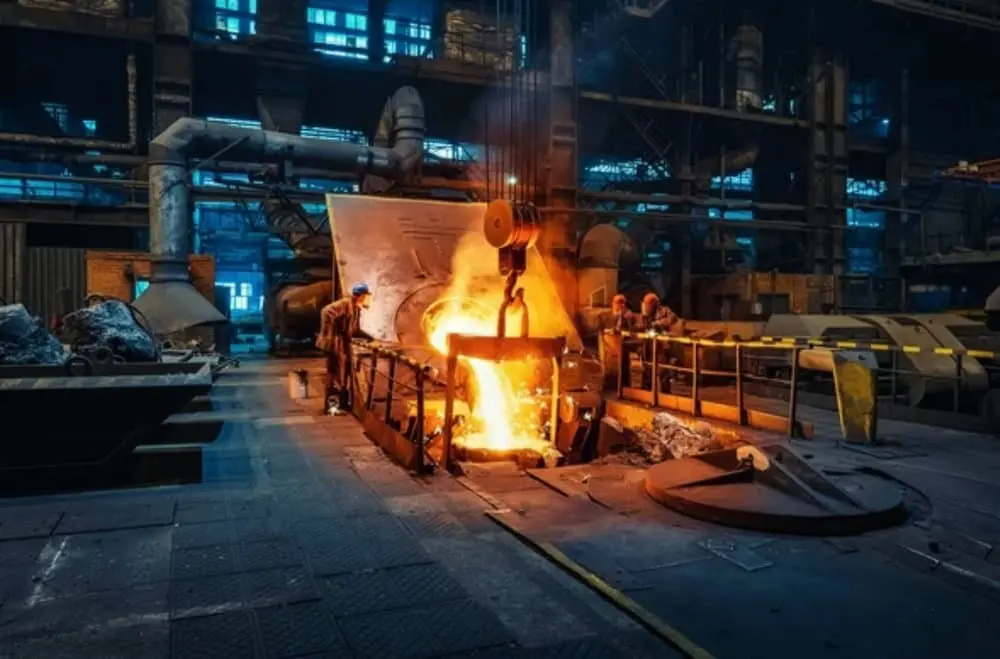
At the heart of any foundry—the melting platform—5S management is often dismissed as mere “formalism.”
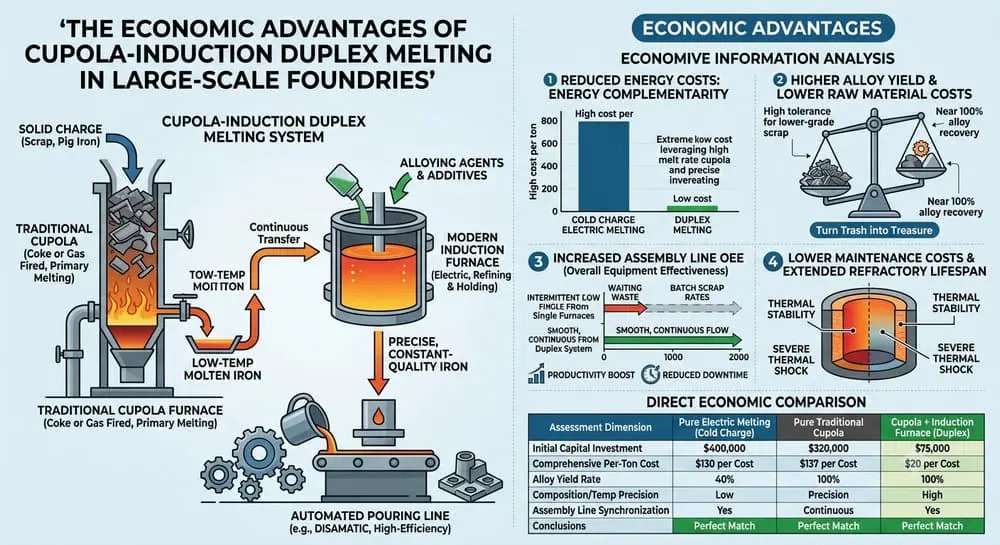
In modern large-scale assembly line casting (such as automotive components, large pipe fittings, and standard
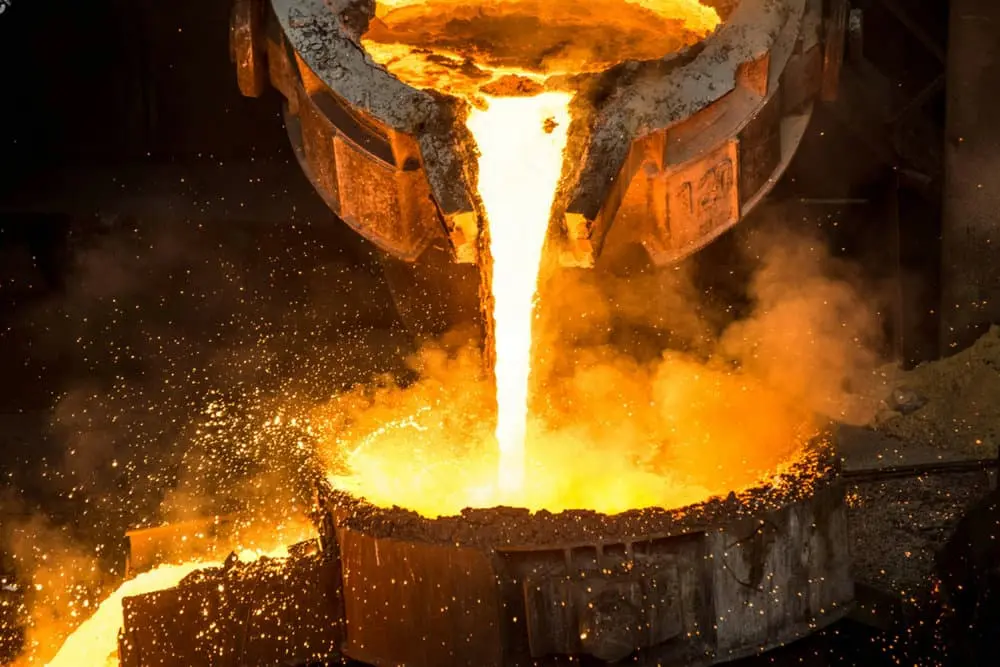
As the global lifecycle of electronic products continues to shrink, Waste Electrical and Electronic Equipment
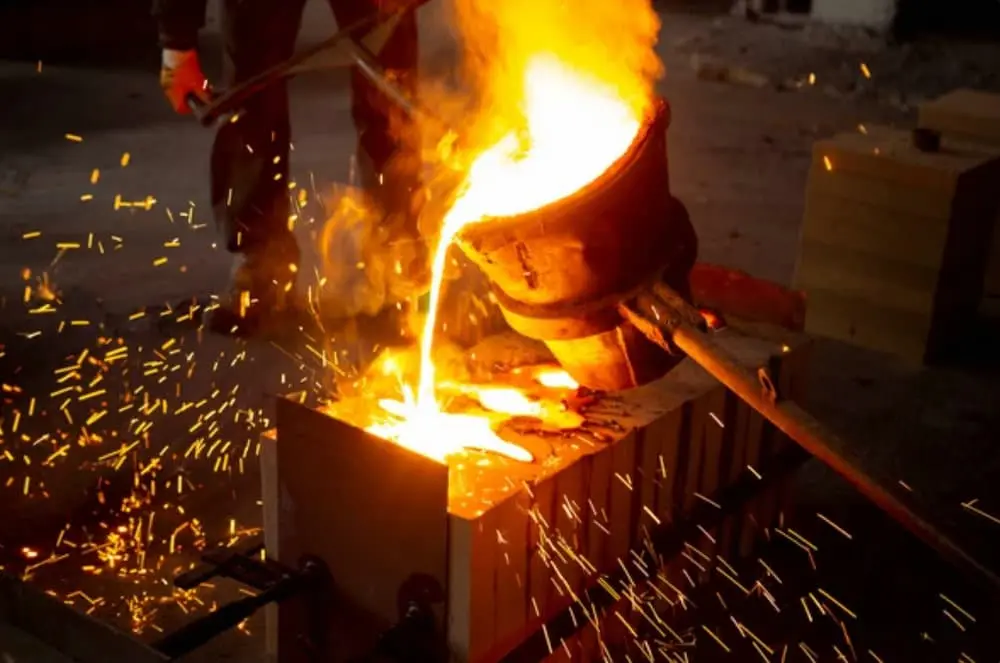
In the world of industrial metallurgy, changes in scale are never as simple as “proportional
When the measured temperature of molten iron is fully up to specification, yet the liquid
In the electric arc furnace (EAF) steelmaking and foundry industries, “scrap preheating” has always been
In the foundry and metallurgical industries, whenever the service life of a furnace lining falls

The Metallurgical Advantages of High-Intensity Electromagnetic Stirring in Medium-Frequency Induction Furnaces for “Synthetic Cast Iron”
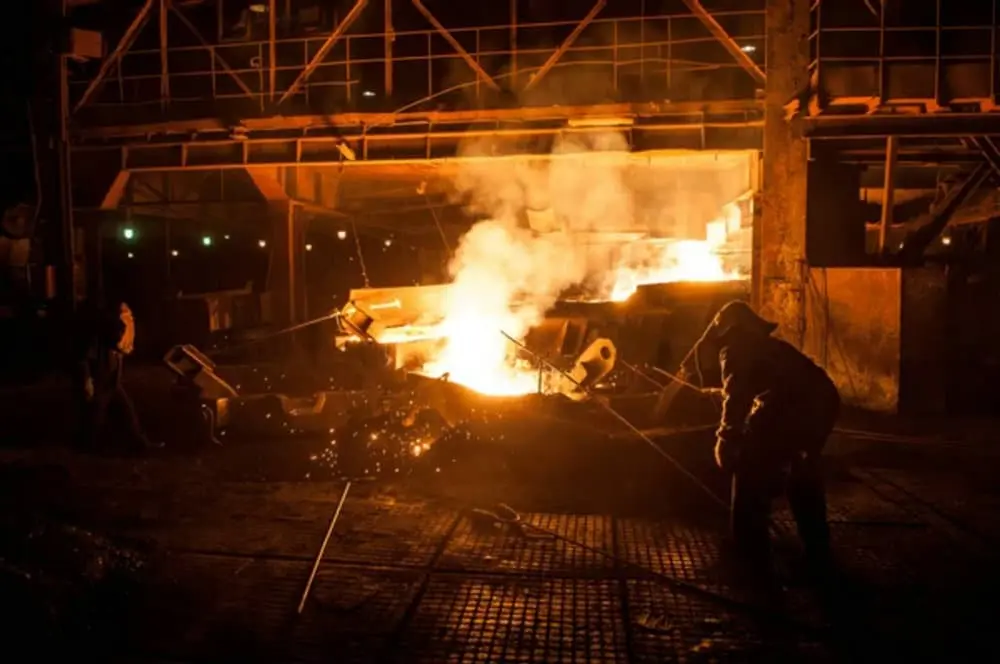
The Critical 3 Minutes of a “Furnace Runout”, Emergency Mitigation and Personnel Evacuation SOP in
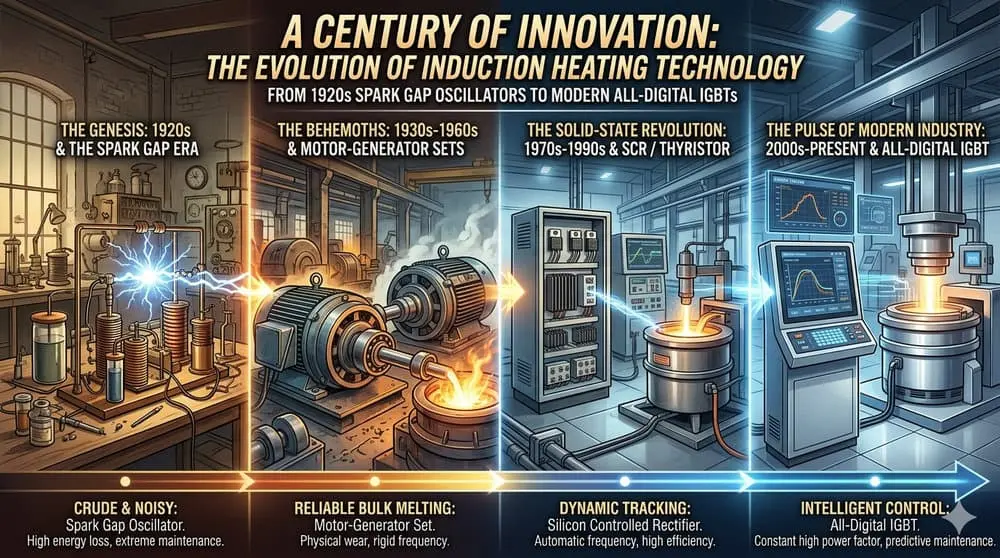
Looking back over the past century, the evolution of induction heating technology is fundamentally a
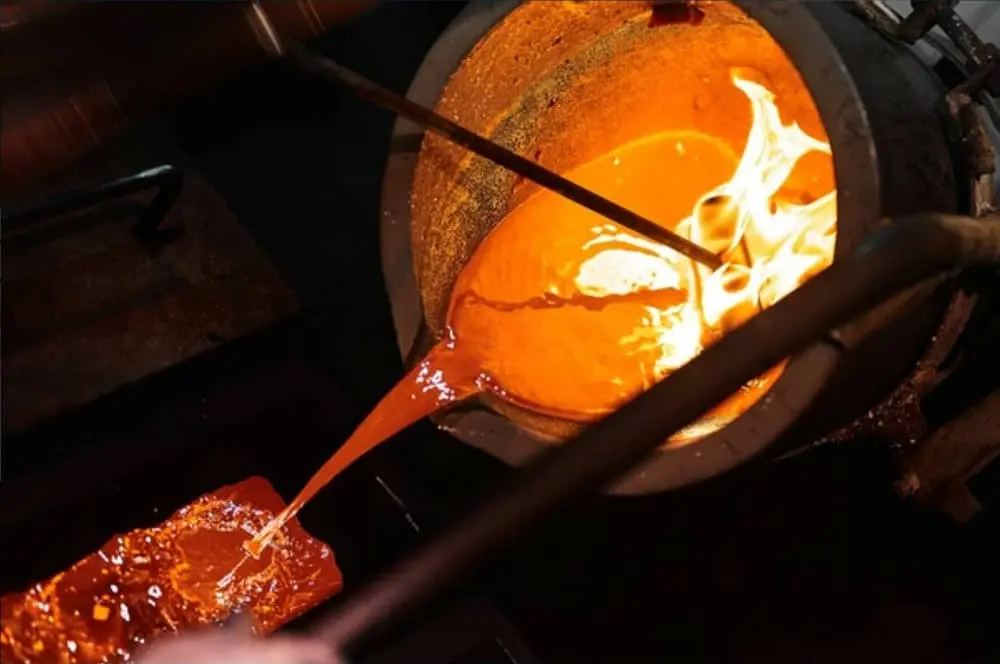
Heat stress, visual fatigue, and “human error” are the invisible killers in induction furnace front-line
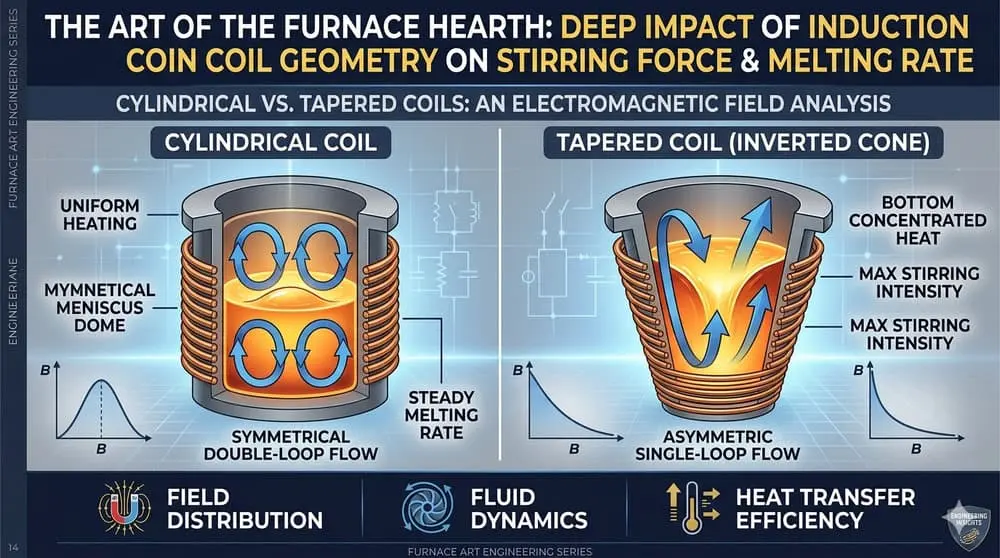
Exploring how different induction coil geometric designs alter the magnetic flux line density inside the
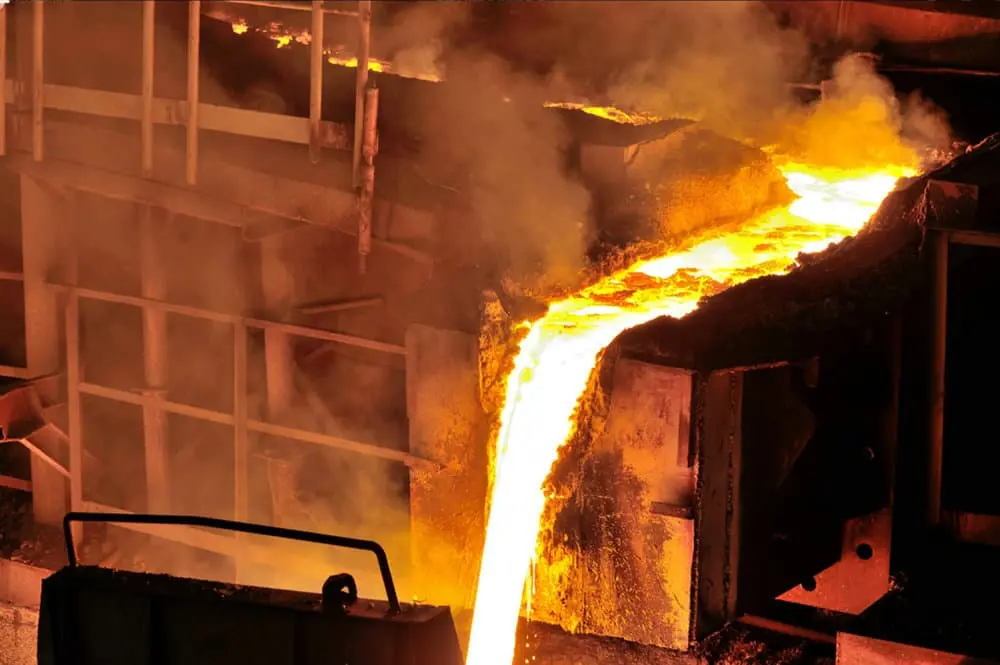
From Melting to Atomization, How Precise Induction Power Control Determines Metal Powder Spheroidization and Particle
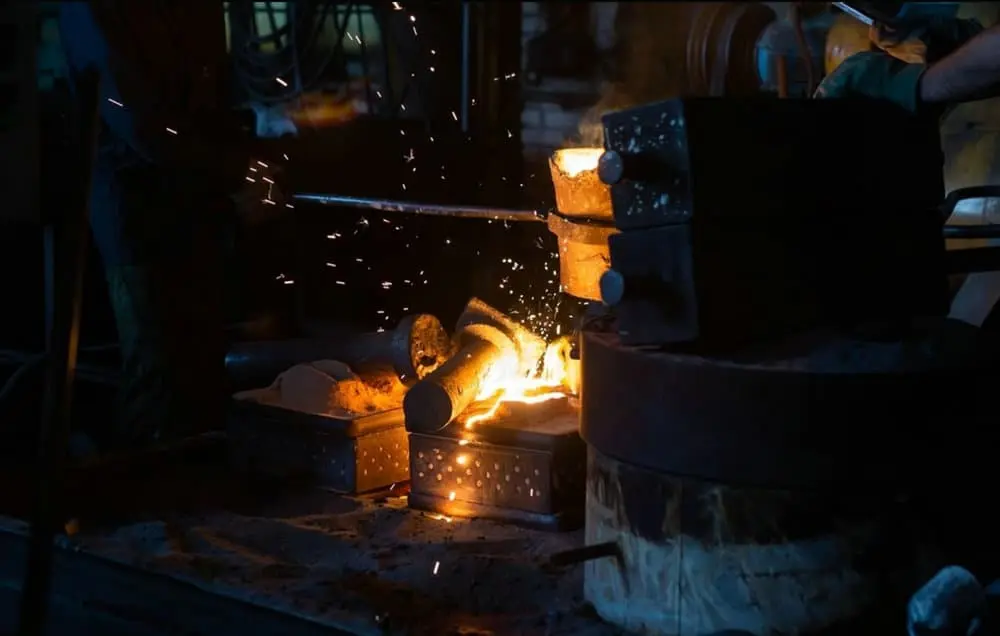
The rainy season, characterized by extreme humidity and potential flooding, is a critical period for
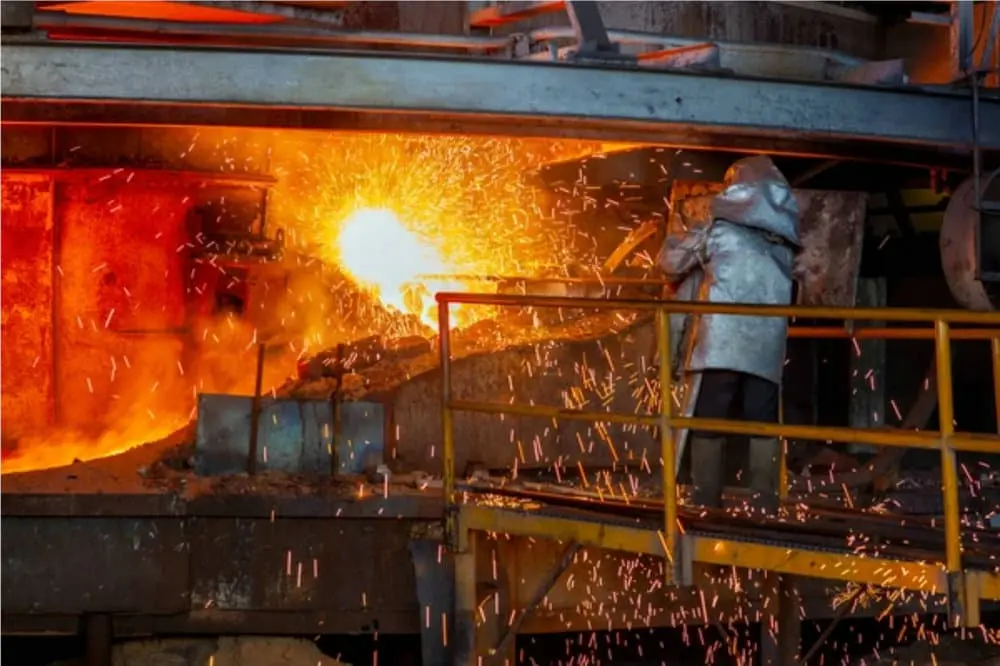
In the peak of summer, foundry and metallurgy workshops face more than just environmental heat.

Overcoming Convection Challenges with Induction Technology to Fuel Interstellar Expansion. Smelting metal on Mars is
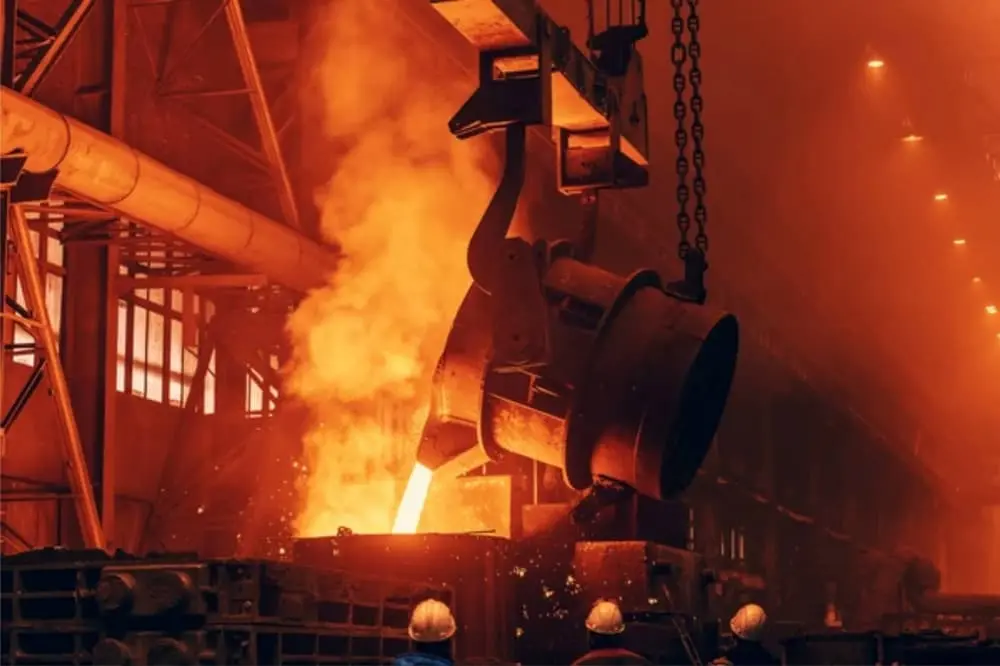
In foundry metallurgy, inoculation is not merely “adjusting chemical composition”; it is a precision-controlled kinetic
In foundry and metallurgical workshops, the melting area presents a uniquely challenging environment: high temperatures,
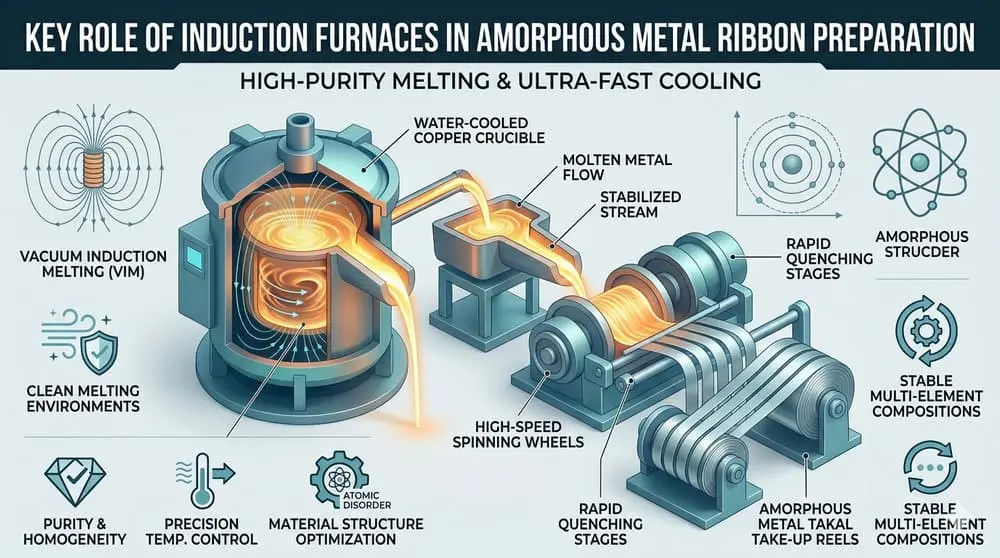
In the production chain of amorphous metal ribbons (such as iron-based or cobalt-based amorphous alloys),
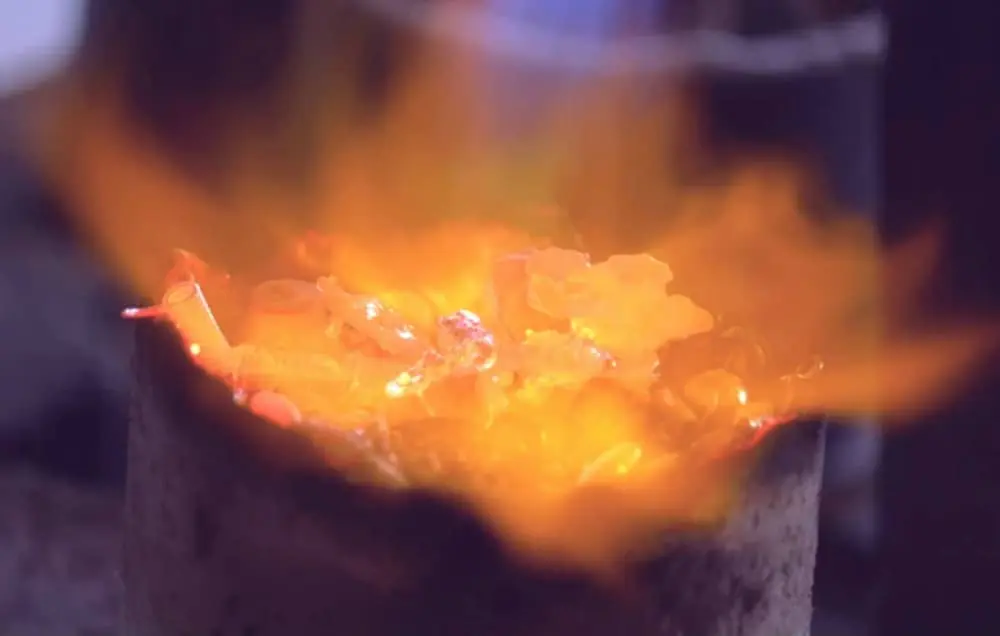
In the production of large aluminum bronze castings, induction furnaces are the preferred choice due

In the production of soft magnetic alloy powders—such as Fe-Si-Al (Sendust), High-Nickel Permalloy, and amorphous

In the melting of pure copper (often called “red copper”) within an induction furnace, managing
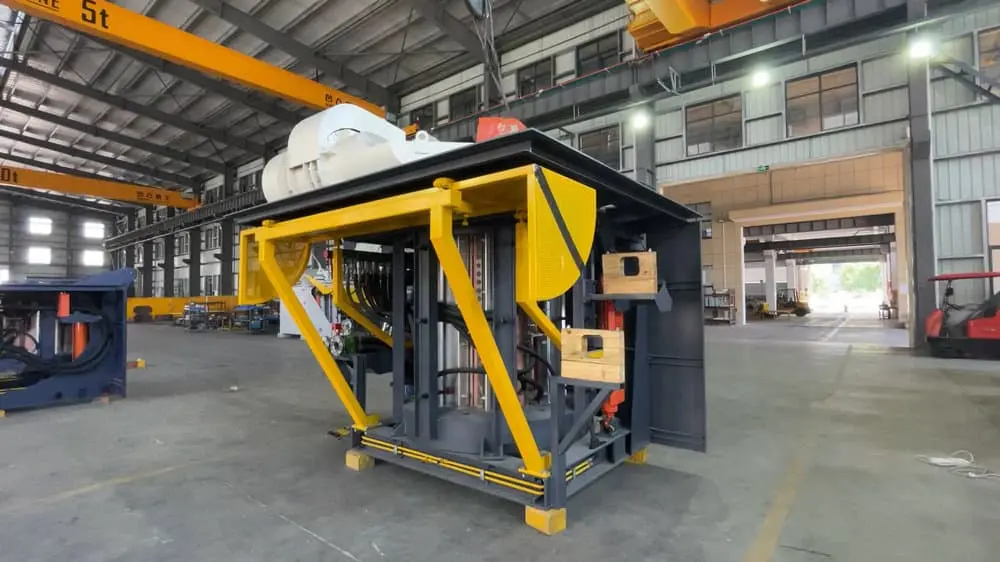
An in-depth analysis of the physical difficulties during the atomization process. Exploring how to maintain

In the production of high-performance metal powders such as titanium alloys and nickel-based superalloys, Vacuum
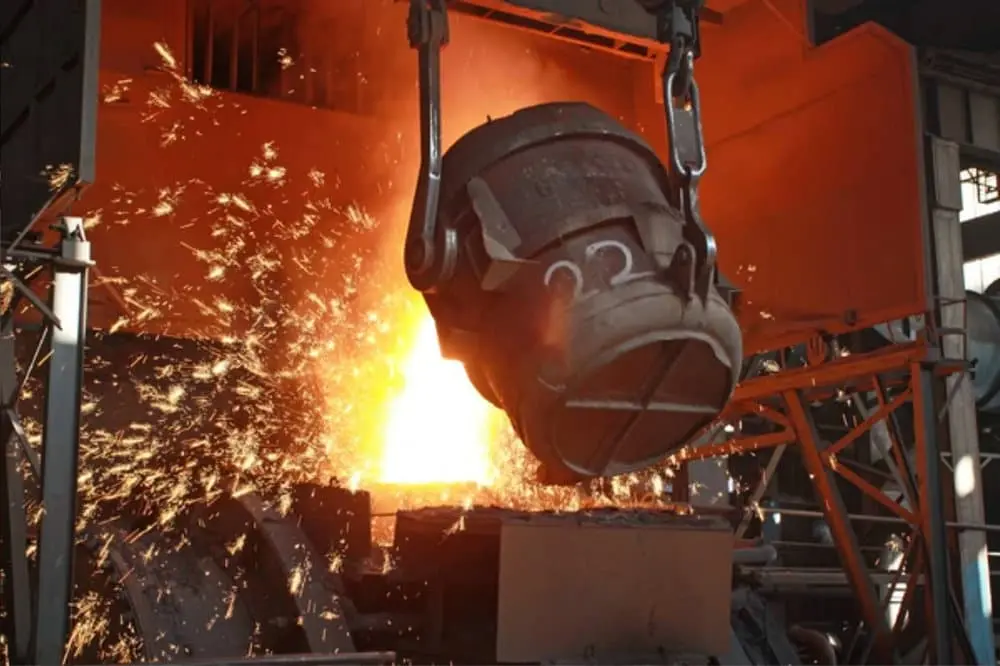
In induction furnace melting, molten iron splashing (commonly referred to as “popping” or “eruption”) is

In the field of gas atomization for powder metallurgy, the stability of the bottom-pour induction
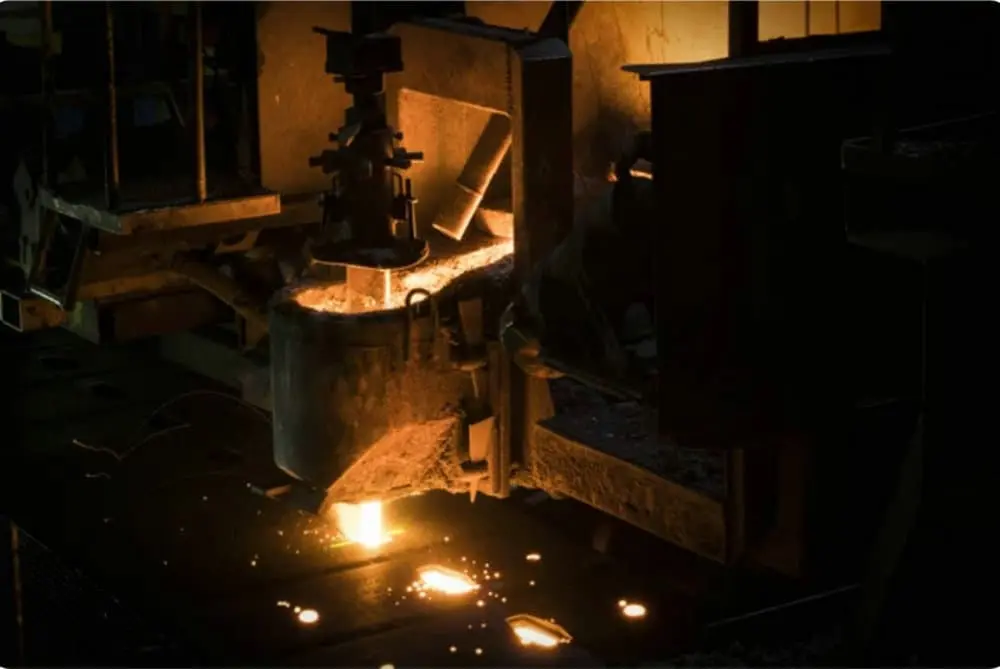
In induction melting operations, skull formation (the solidification of metal on the refractory surface) in
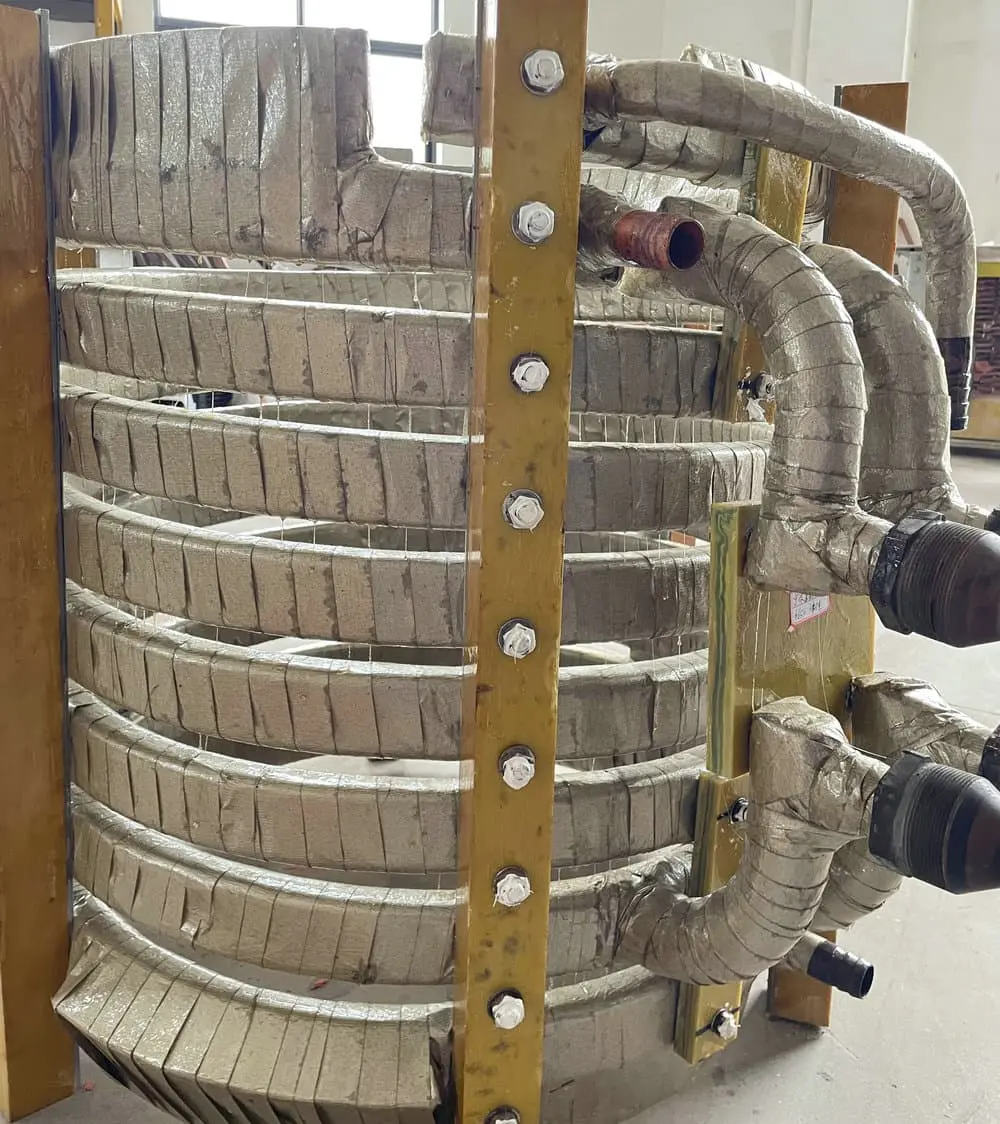
In high-humidity environments or during the monsoon (Plum Rain) season, “sweating”—or condensation—on the surface of
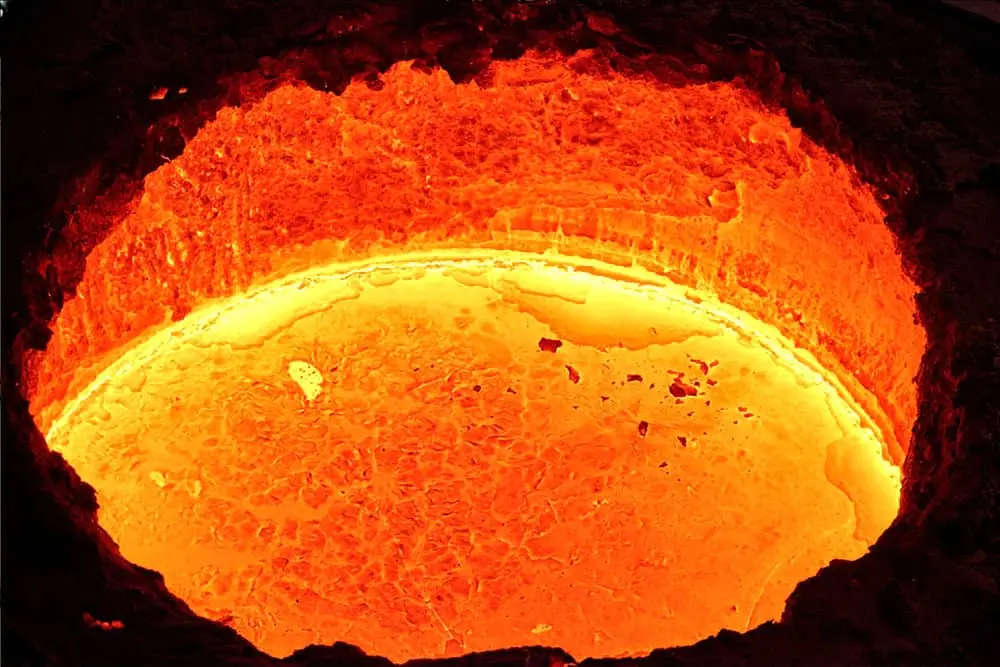
When production lines stop due to molding line failures or auxiliary equipment downtime, molten iron
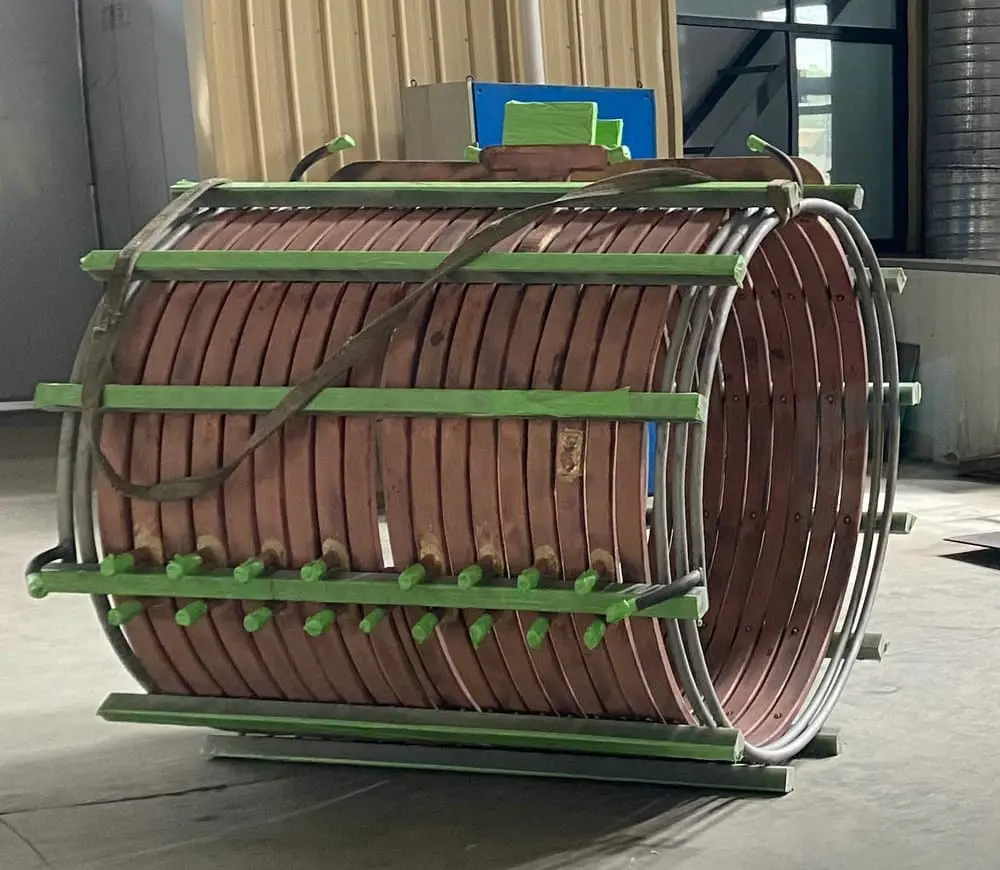
As the “heart” of an induction furnace, the induction coil’s operational status directly dictates the
In the realm of high-end equipment manufacturing, the application of induction furnaces has long evolved